

Jay Fleming Photography - Spring 2026 Open House
Read moreCapturing the Unplanned: My Pop-Up Photography Workshops on the Chesapeake Bay
Some of the best moments on the water can't be planned.
Anyone who spends time on the Chesapeake knows that the most incredible scenes tend to catch you off guard. A sudden change in weather, a fleet of working boats heading out before sunrise, the light hitting the water just right. As a photographer, being ready for those moments is everything.
That's why I started hosting pop-up photography workshops.
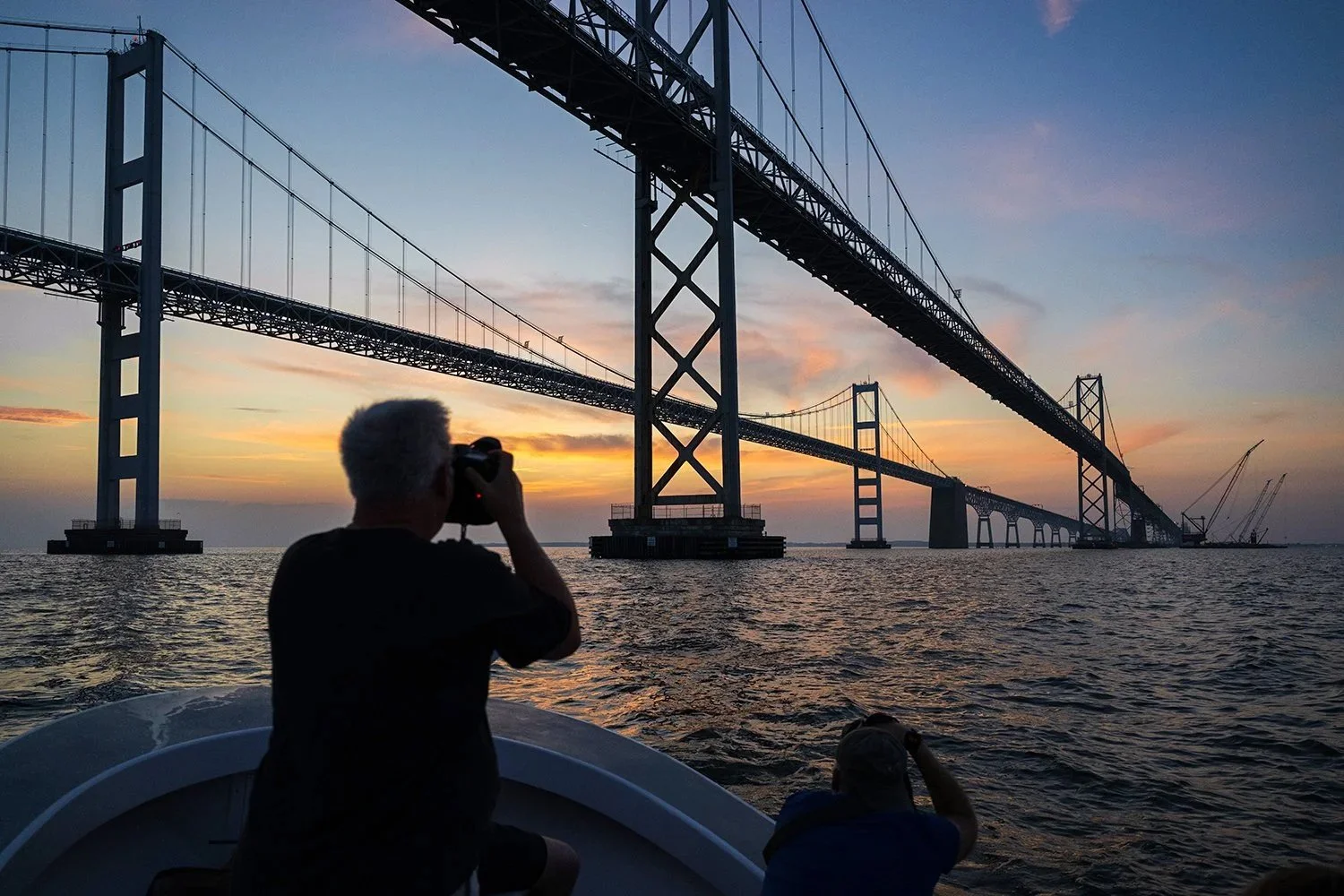
What Is a Pop-Up Photography Workshop?
Unlike my regular workshops that get scheduled months out, pop-ups happen when conditions on the Bay line up for something special. If the forecast looks promising or something interesting is about to happen out on the water, I'll announce it on social media up to 48-hours in advance and we go.
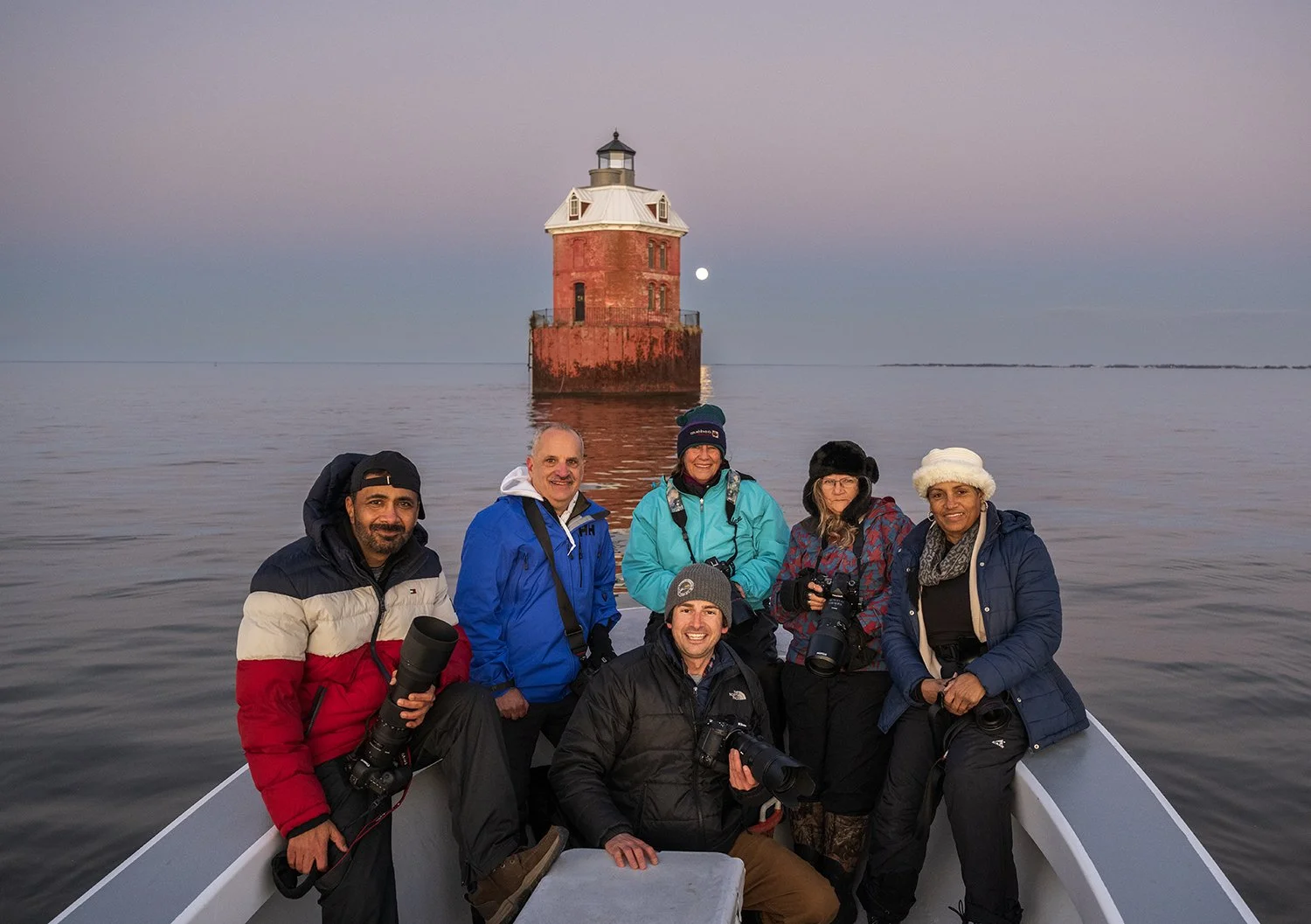
Space on these workshops is limited to five photographers - just like my regularly scheduled workshops.
Photographing the Chesapeake as It Happens
When you join one of these workshops, you’re stepping into a real-time photography experience. We’re documenting the Bay as it unfolds in front of us.
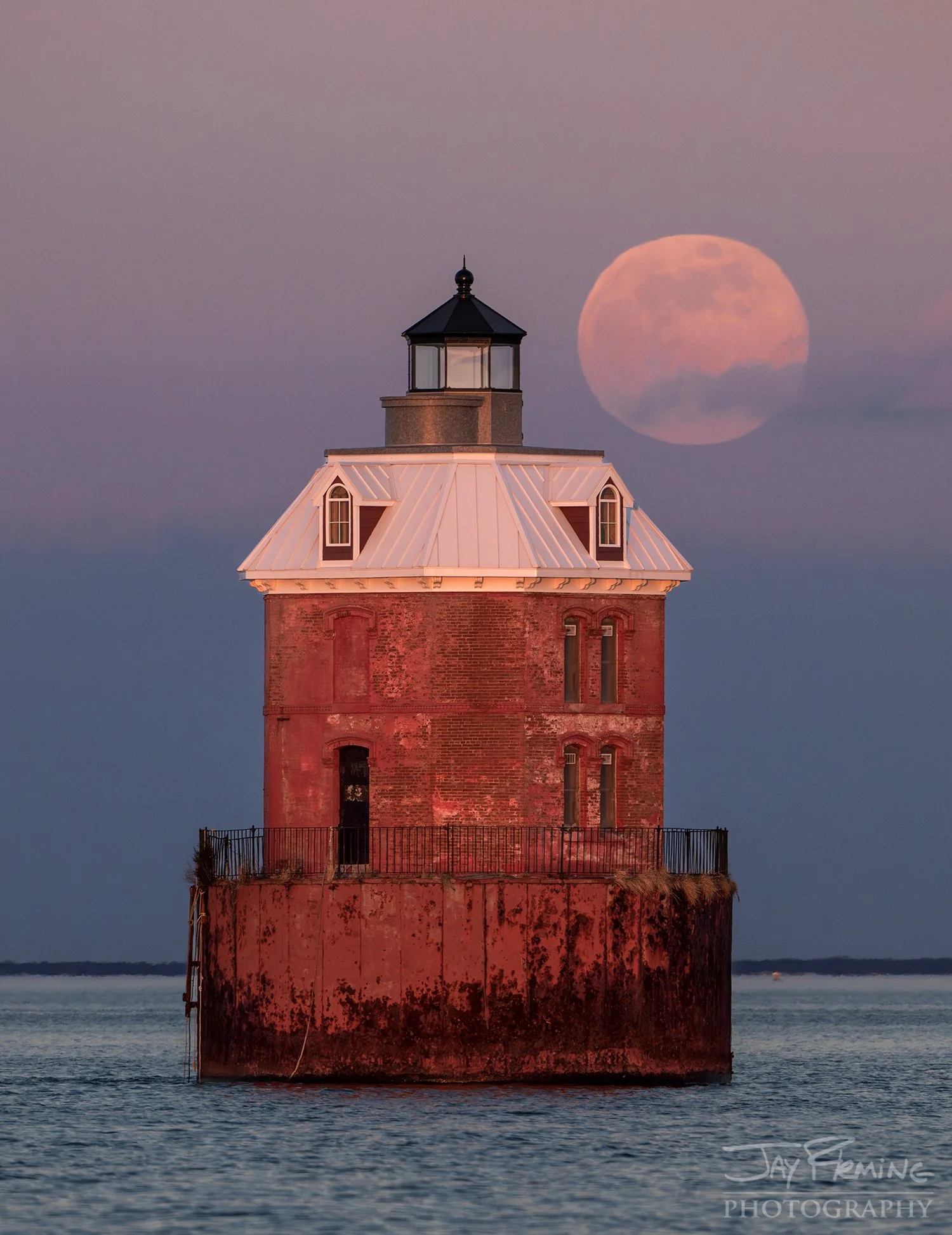
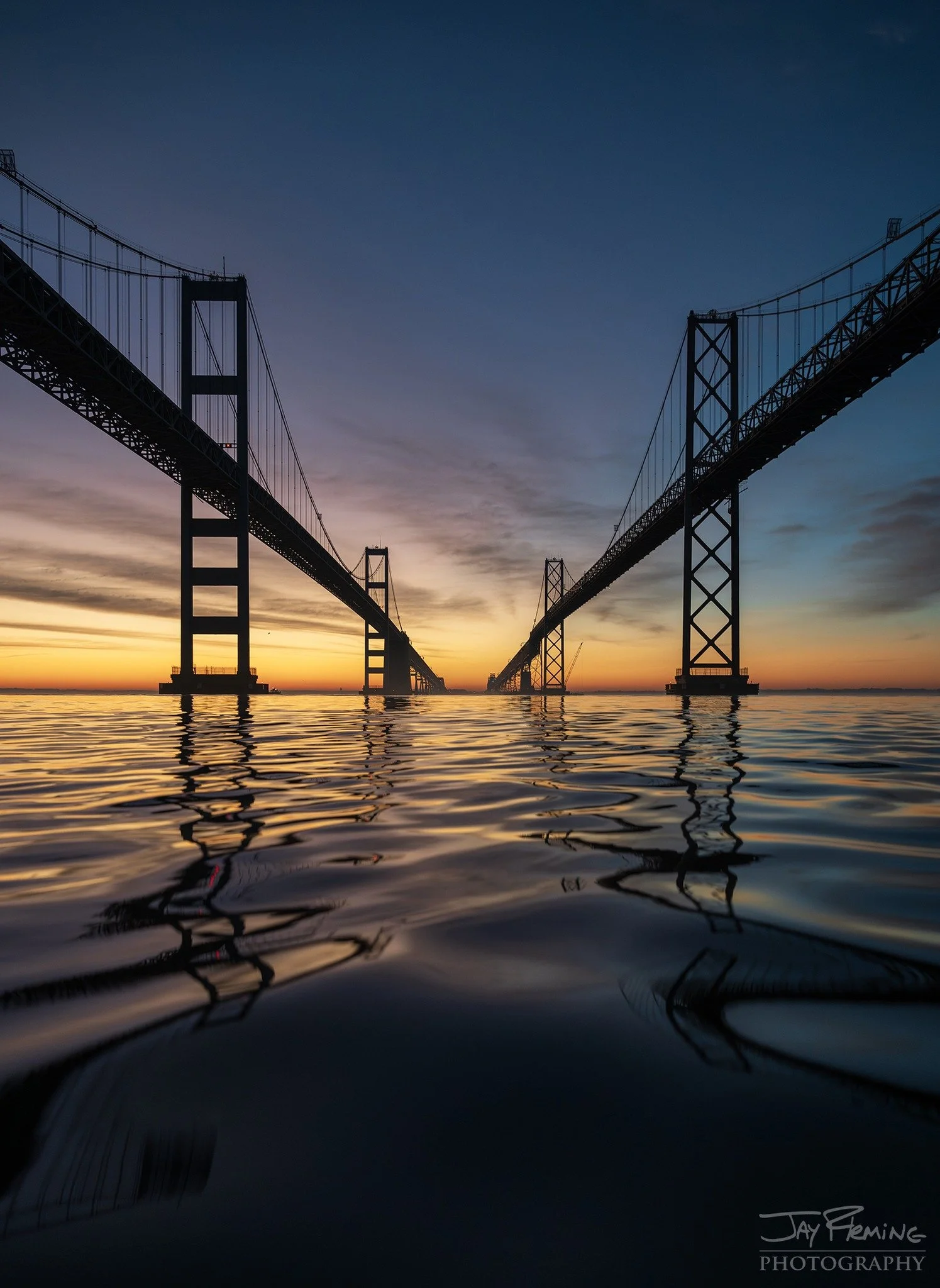
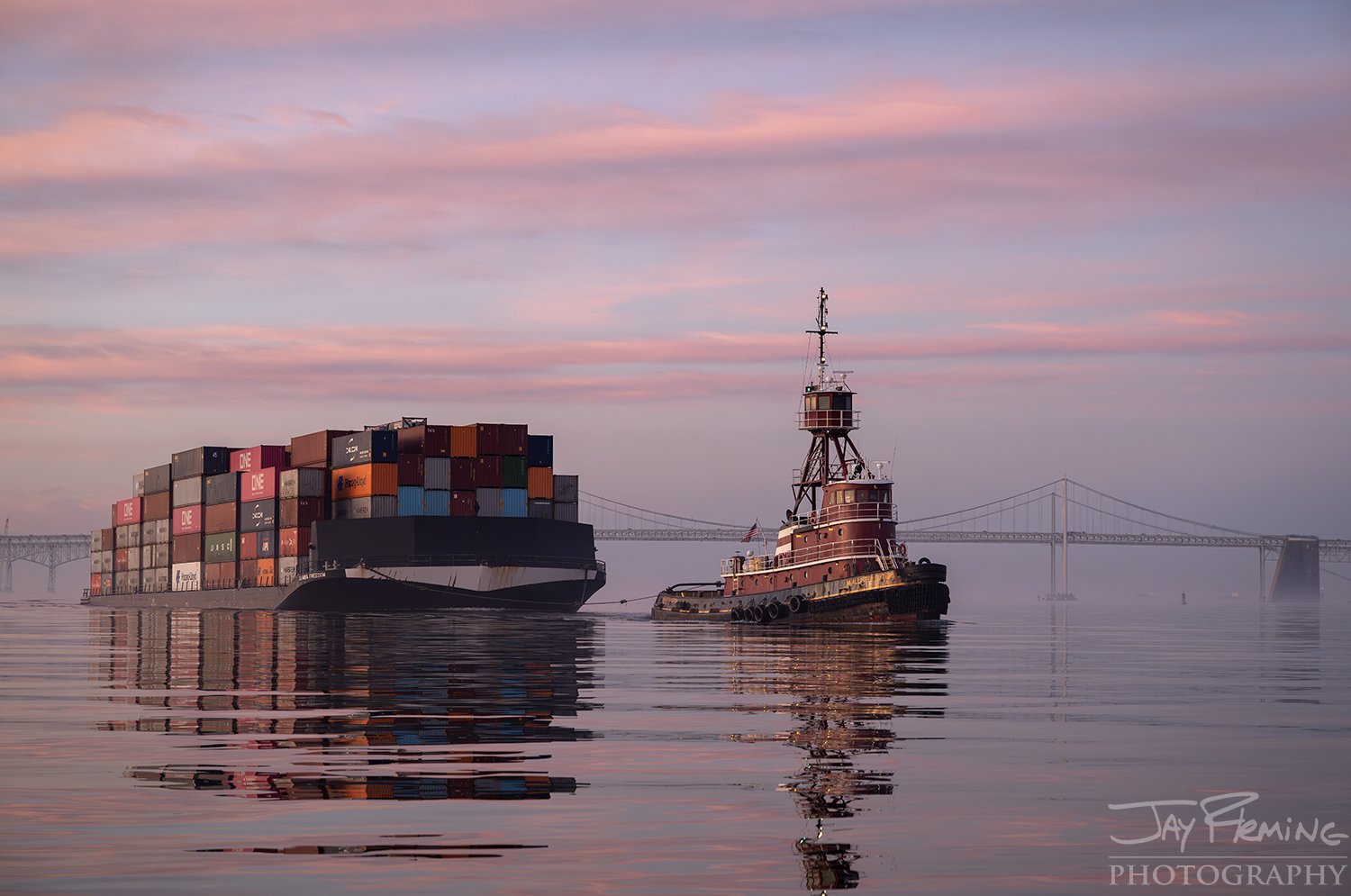
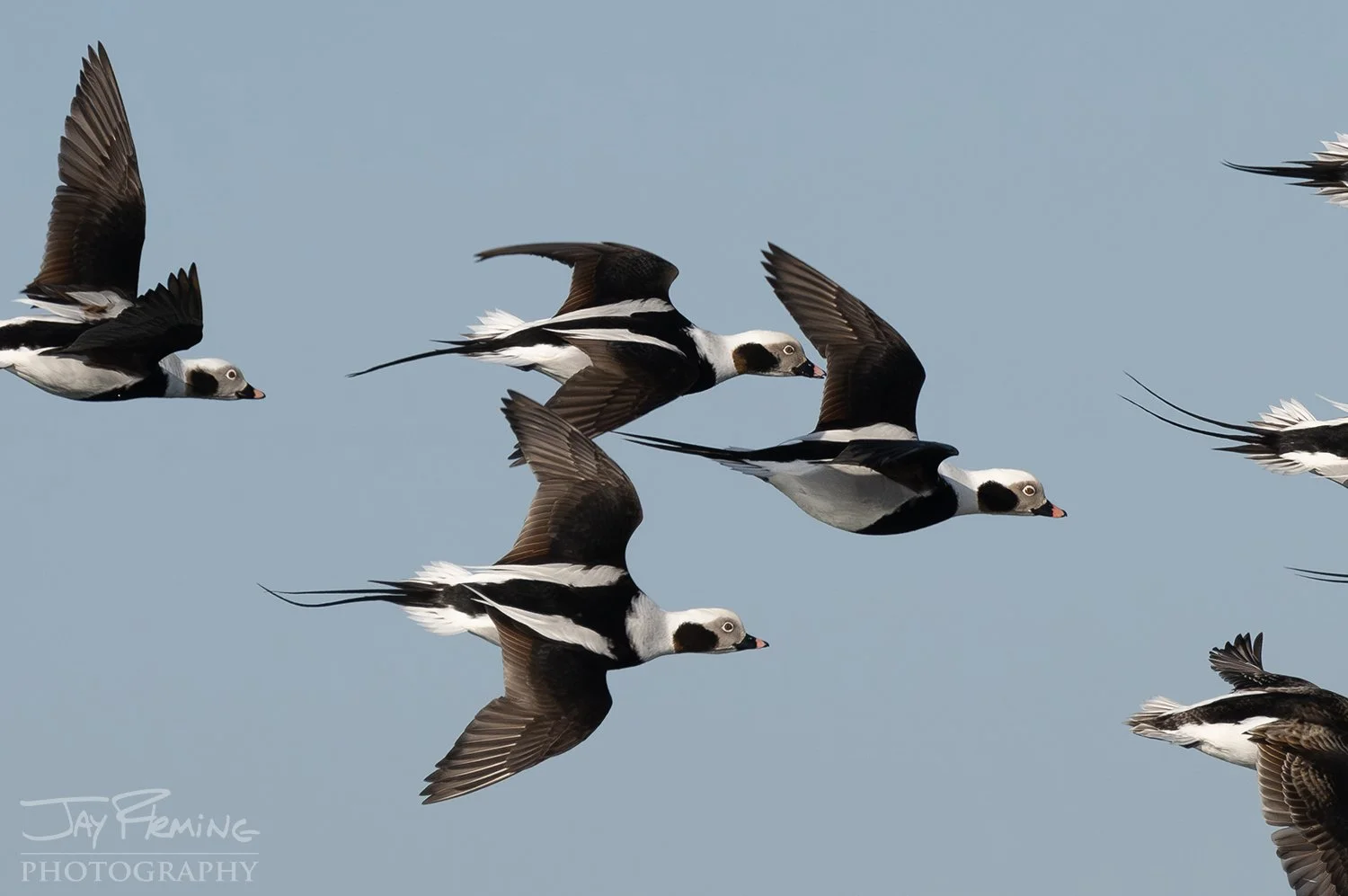
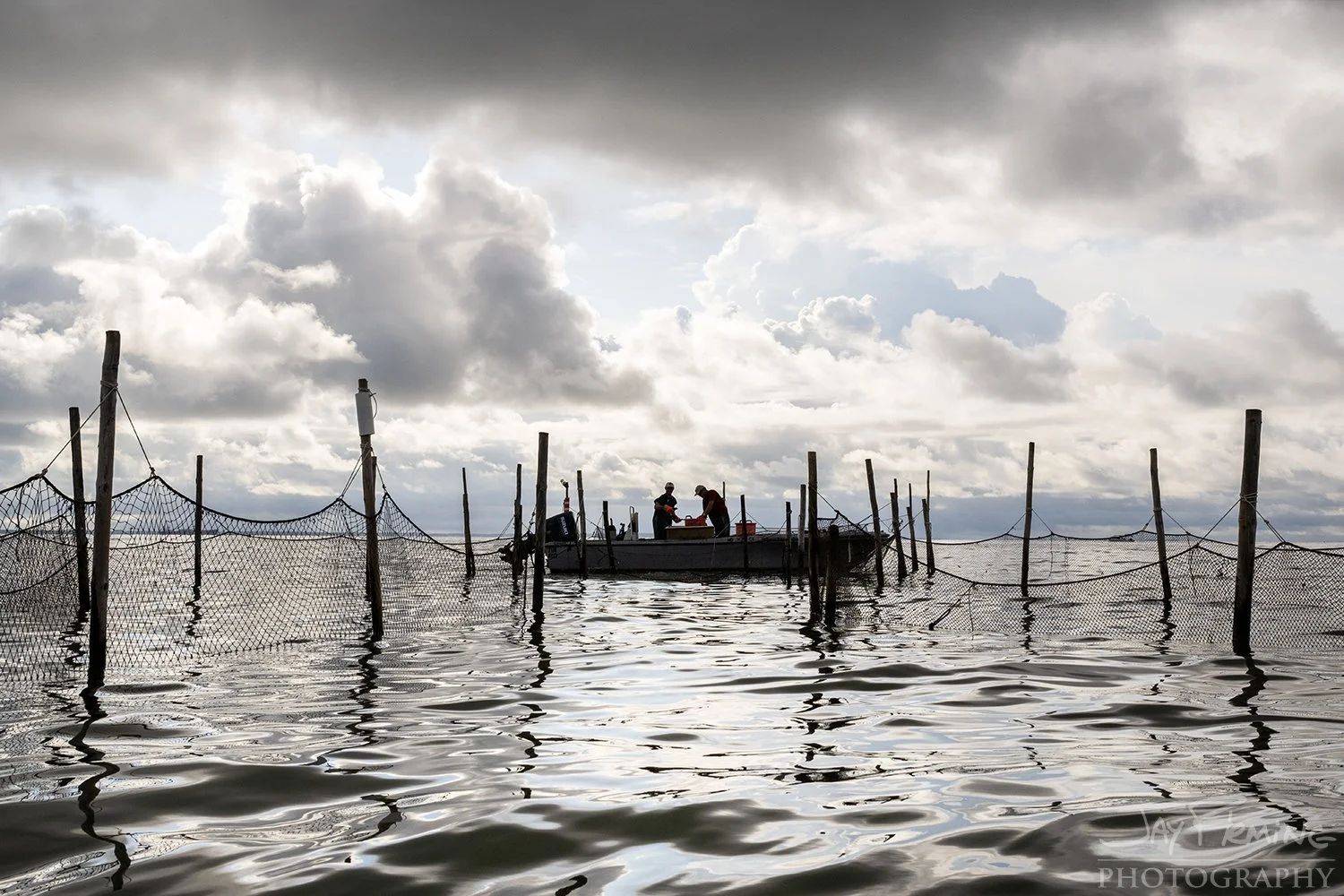
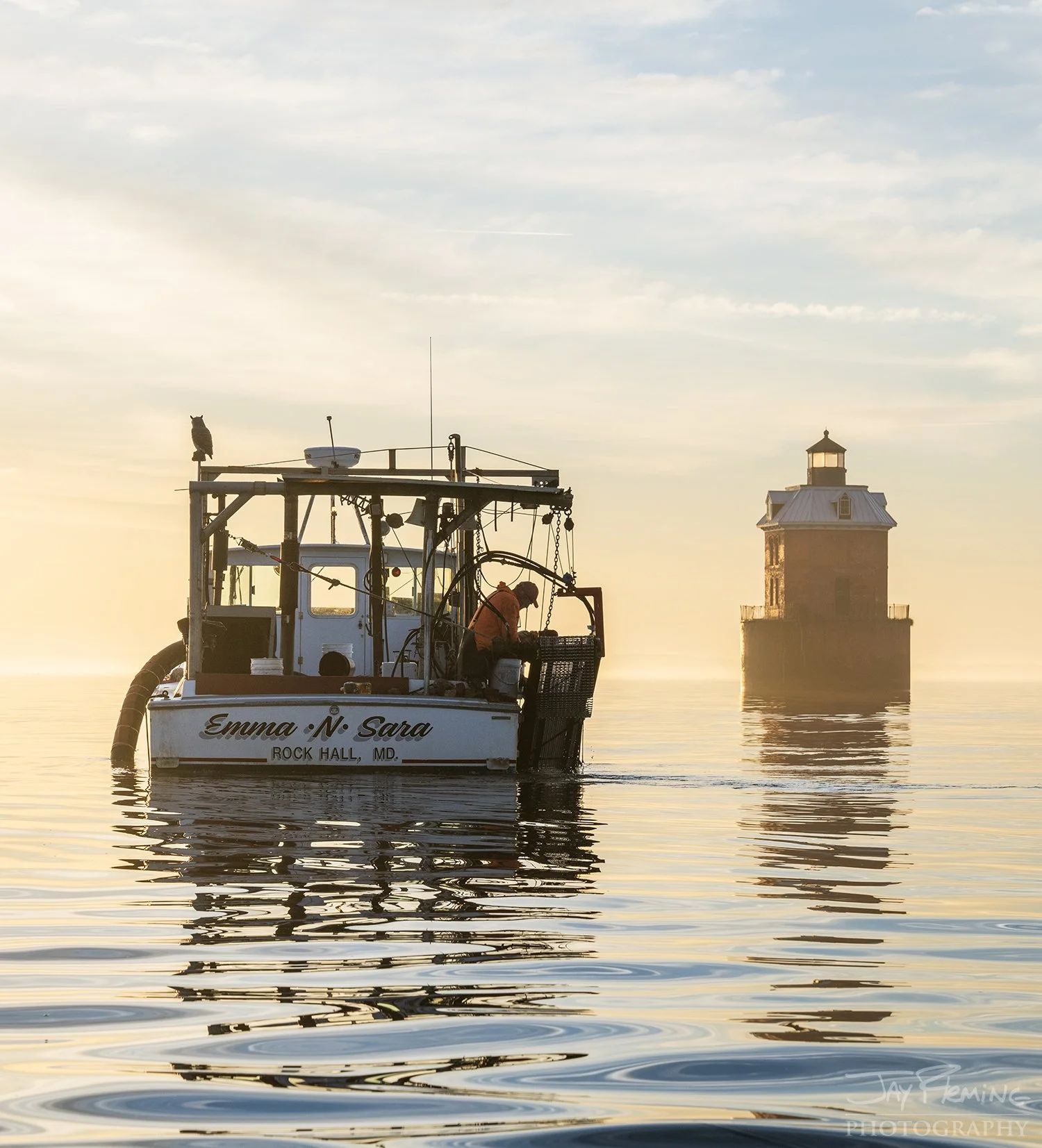
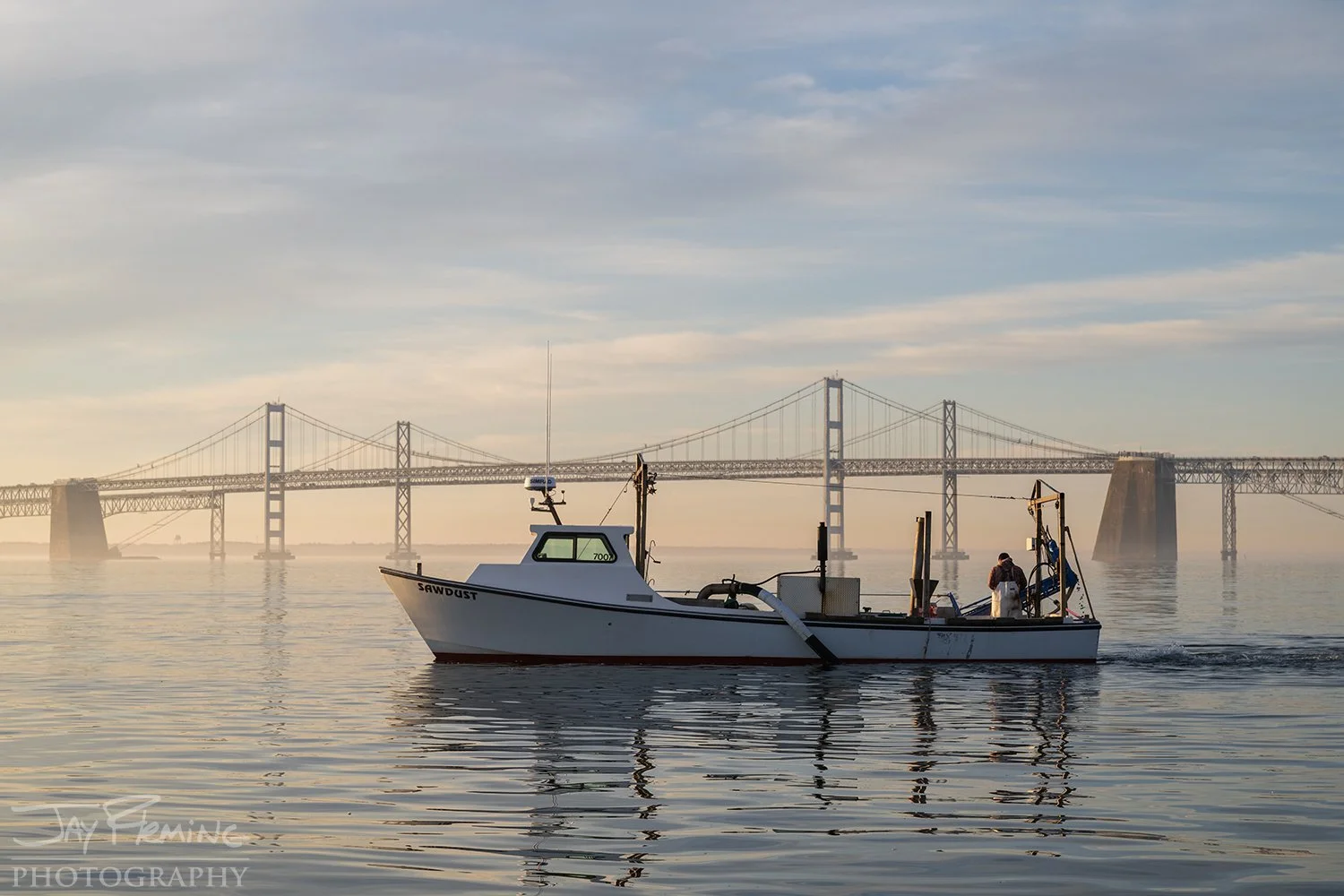
Participants join me on location to photograph iconic locations on the Chesapeake including but not limited to lighthouses, the Chesapeake Bay Bridge, wildlife, watermen harvesting seafood and the maritime industry.
Every outing is different, and that's a big part of what makes them worth showing up for.
What I Teach During the Workshop
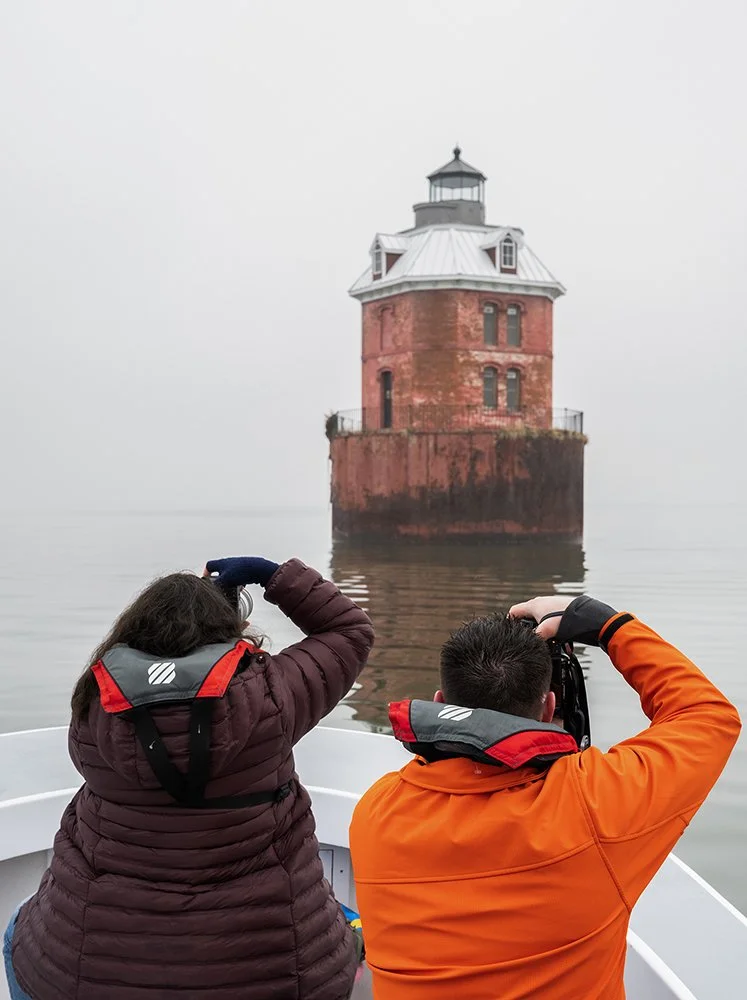
Throughout the workshop I share the same techniques and approach I use in my own work documenting the Chesapeake. We talk through camera settings for fast-changing conditions, because on the water the light and the action can shift fast and you need to be ready.
We talk about storytelling, because a compelling image isn't just about nailing the technical settings, it's about communicating what's actually happening around you. And we talk about reading the environment, because after years on this water I've learned how to anticipate where things are going to happen, and that's something I can pass along.
We’ll talk about
Camera settings for fast-changing conditions
On the water, light and action can change quickly. I’ll walk through how I adjust shutter speed, aperture, and ISO to stay ready for the moment.
Storytelling through photography
Capturing a compelling image isn’t just about technical settings—it’s about telling the story of what’s happening around you. I’ll share how I approach documenting the people, places, and traditions of the Bay.
Reading the environment
Years of photographing the Chesapeake have taught me how to anticipate where the action might unfold. I share that local knowledge so you can better understand the rhythms of the water, weather, and working culture.
Small Groups, Real Access
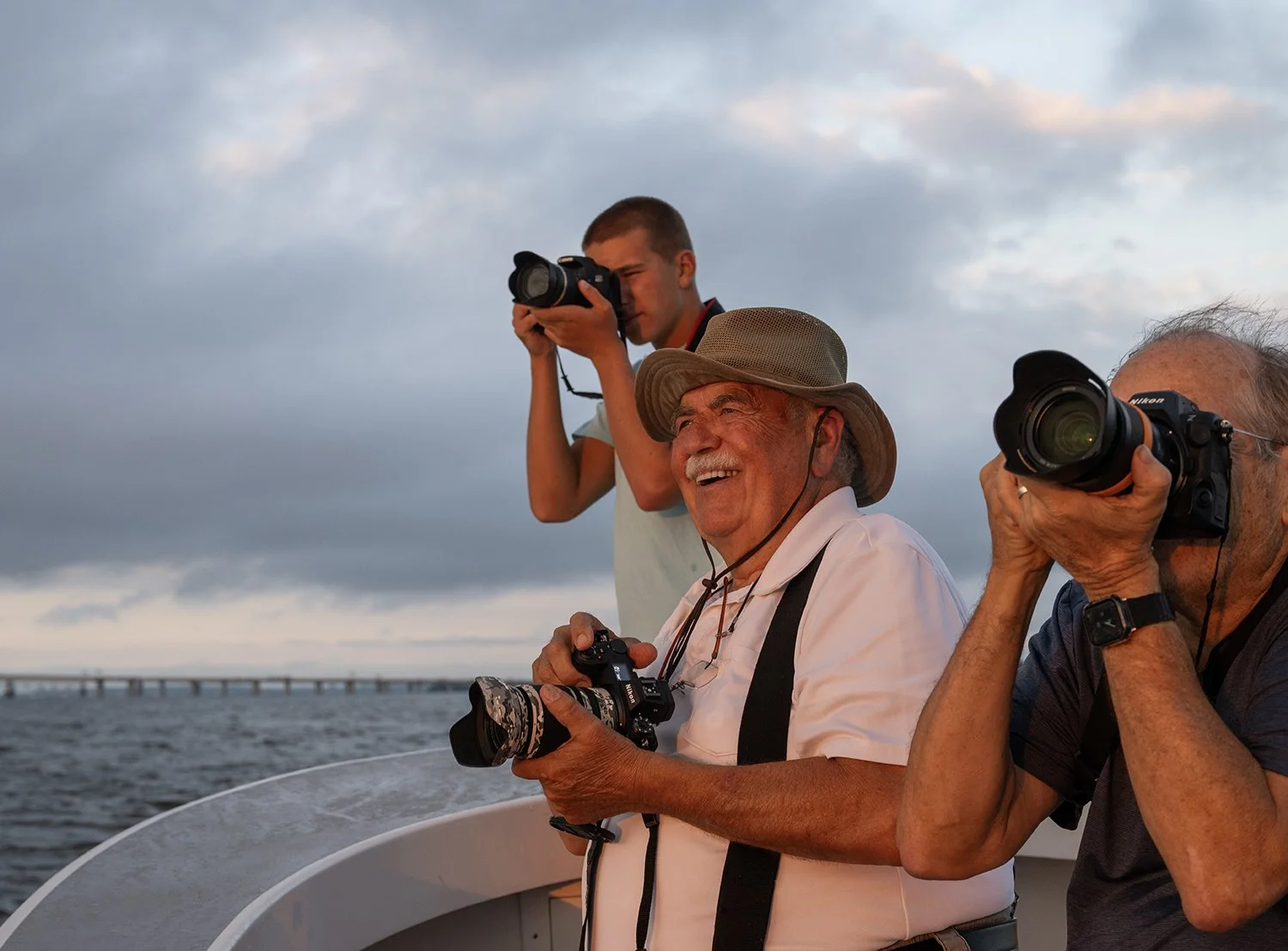
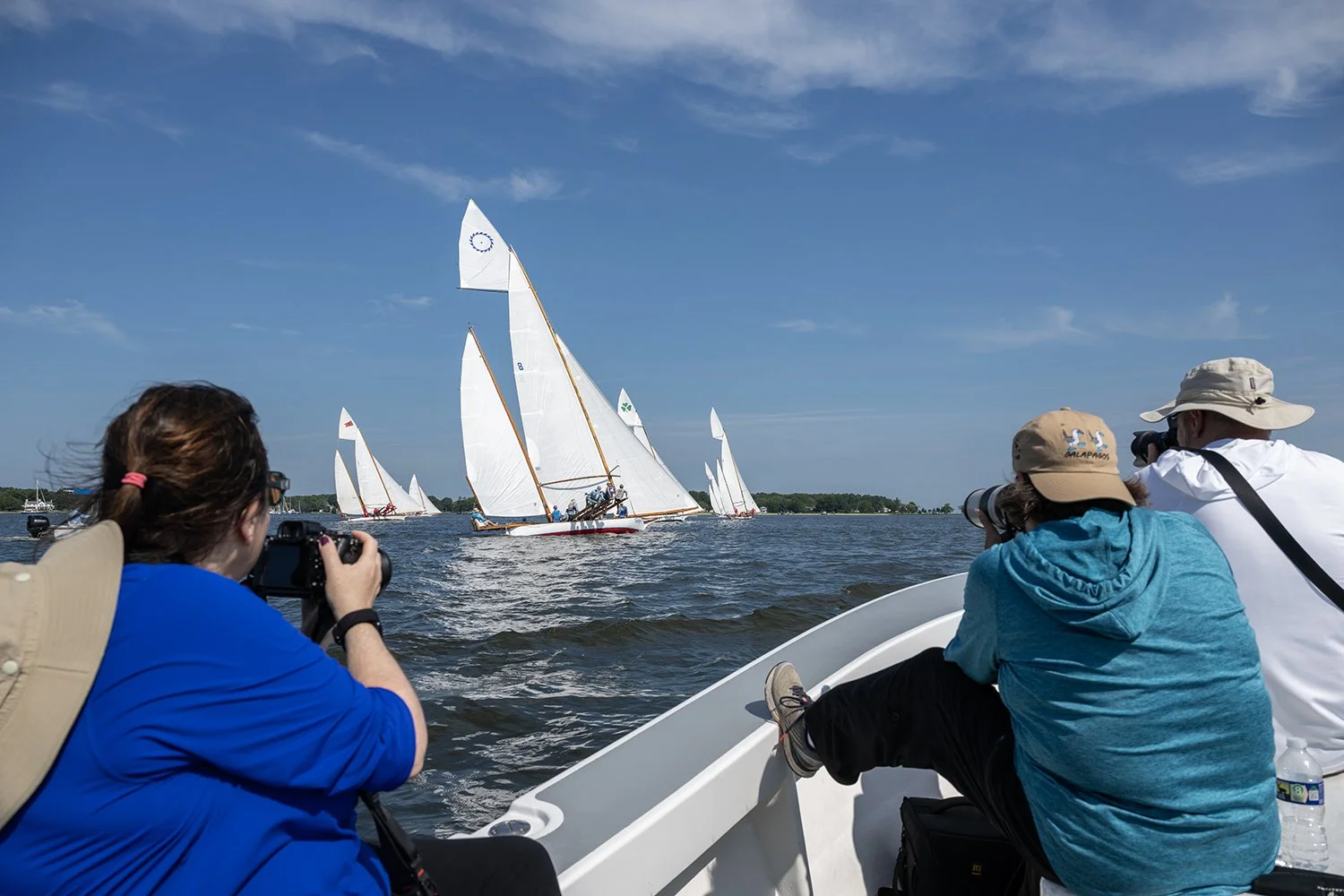
One of the biggest advantages of my workshops (pop-ups and regularly scheduled trips) is the small group size. Keeping the group limit to five photographers allows me to spend time with each participant - answering questions, offering feedback, and helping you get the most out of the experience.
It also allows us to stay flexible and responsive to what’s happening around us.
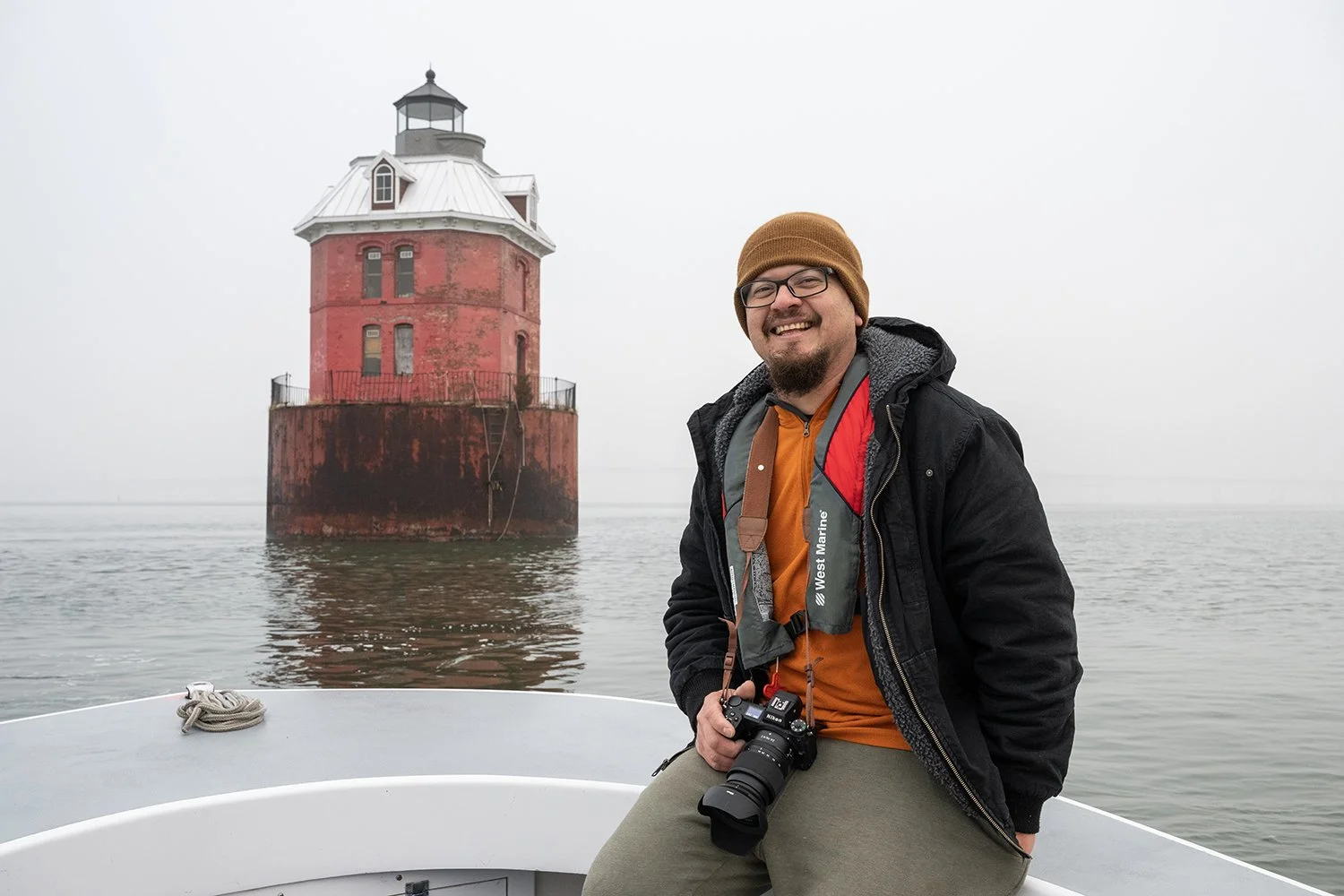
How to Join the Next Workshop
Because these workshops are spontaneous, the best way to stay in the loop is by following along on my social media accounts - my facebook and instagram are linked below.
When conditions line up for a great opportunity on the Chesapeake Bay, that’s where I’ll announce the next pop-up photography workshop.
If you love photography, the water, and the chance to document authentic Chesapeake Bay, I hope you’ll join me out there!
The Chesapeake Bay Freeze-Up of 2026: Iceboating, Watermen, and Winter on the Eastern Shore
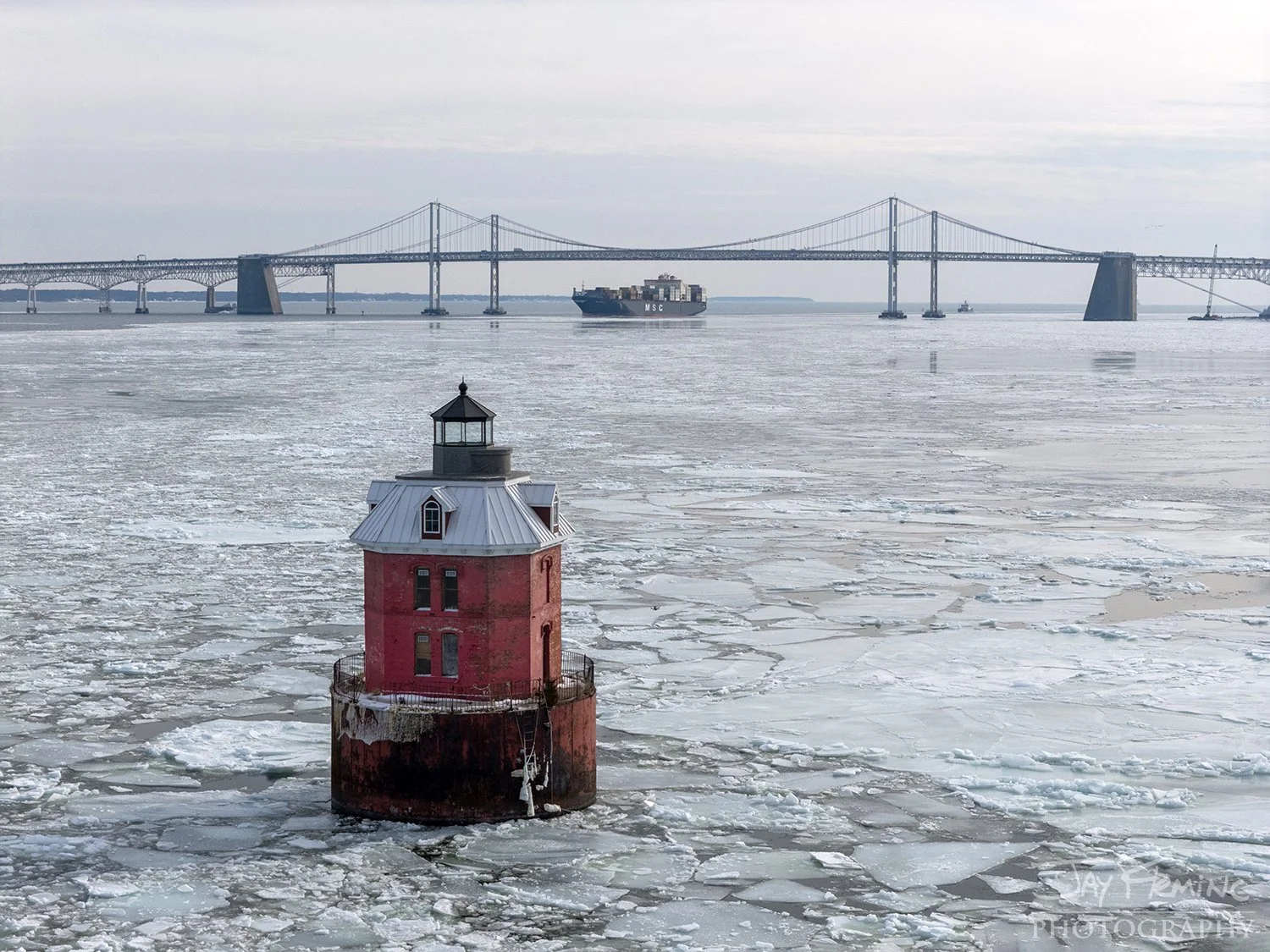
Aerial photograph of Sandy Point Lighthouse surrounded by drifting ice floes on the frozen Chesapeake Bay.
In January and February 2026, the Chesapeake Bay transformed into a frozen landscape rarely seen. Prolonged Arctic air locked up tributaries, harbors, and shallow stretches of Maryland’s Eastern Shore, creating both hardship and opportunity across the region.
For Chesapeake Bay photographer Jay Fleming, the freeze was a chance to document a unique environmental moment — from shifting ice floes at Sandy Point State Park to icebound workboats on Tilghman Island and high-speed DN-class iceboats racing across hard water at Claiborne Landing.
While the frozen Bay created ideal iceboating conditions that lasted for weeks, it also brought commercial fishing to a standstill in parts of the mid-Chesapeake. Maryland watermen navigated hazardous ice, state icebreakers cleared critical channels, and coastal ecosystems felt the strain of extreme winter weather — including cold-stunned blue crabs washing ashore after days of subfreezing temperatures.
This is a visual story of resilience, tradition, and the raw beauty of winter on the Chesapeake Bay during the freeze-up of 2026.
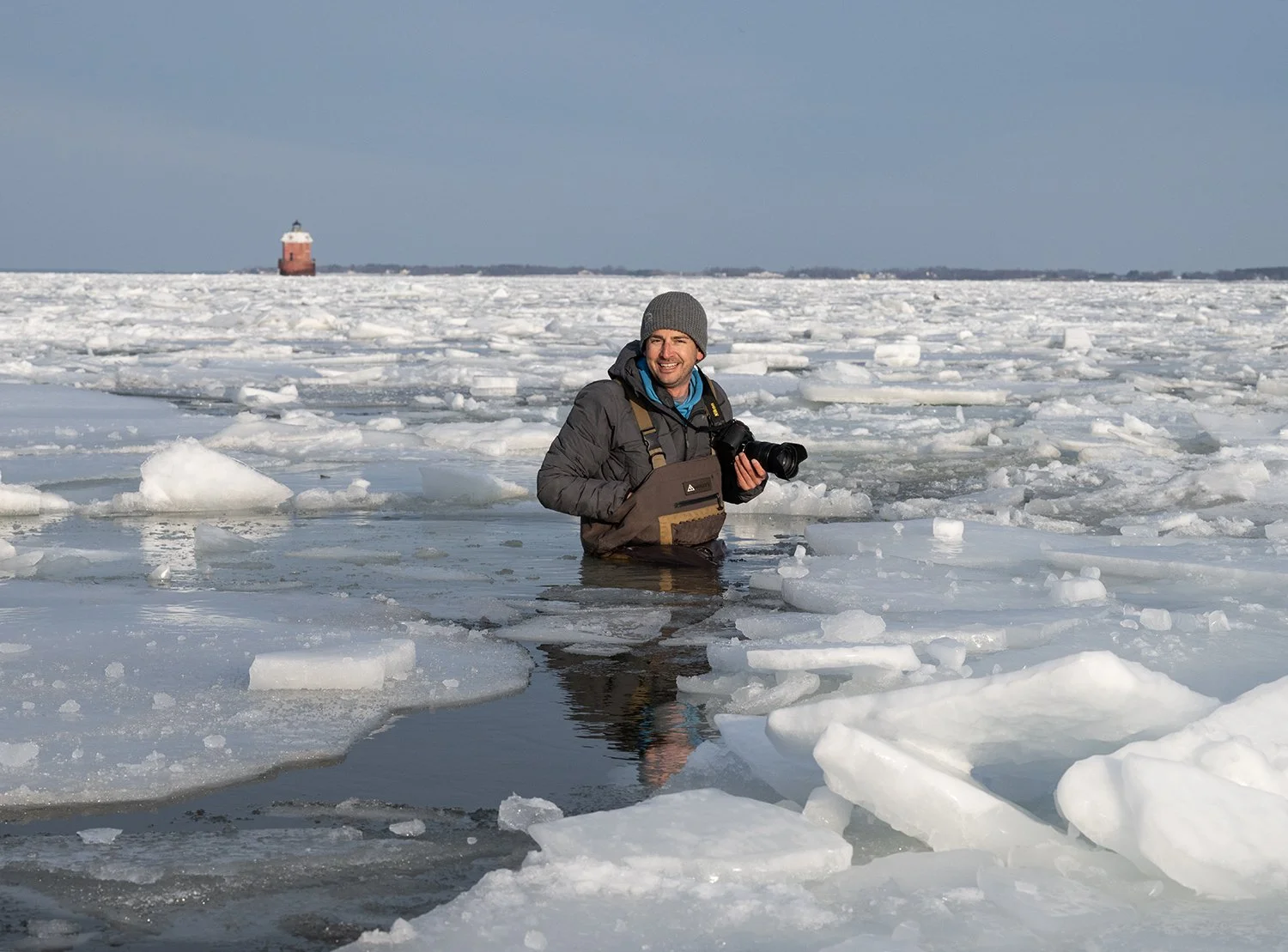
Jay Fleming wades along the shoreline at Sandy Point State Park to photograph shifting ice along the frozen Chesapeake Bay during the historic January–February 2026 freeze. Photograph by Gavin Middleton
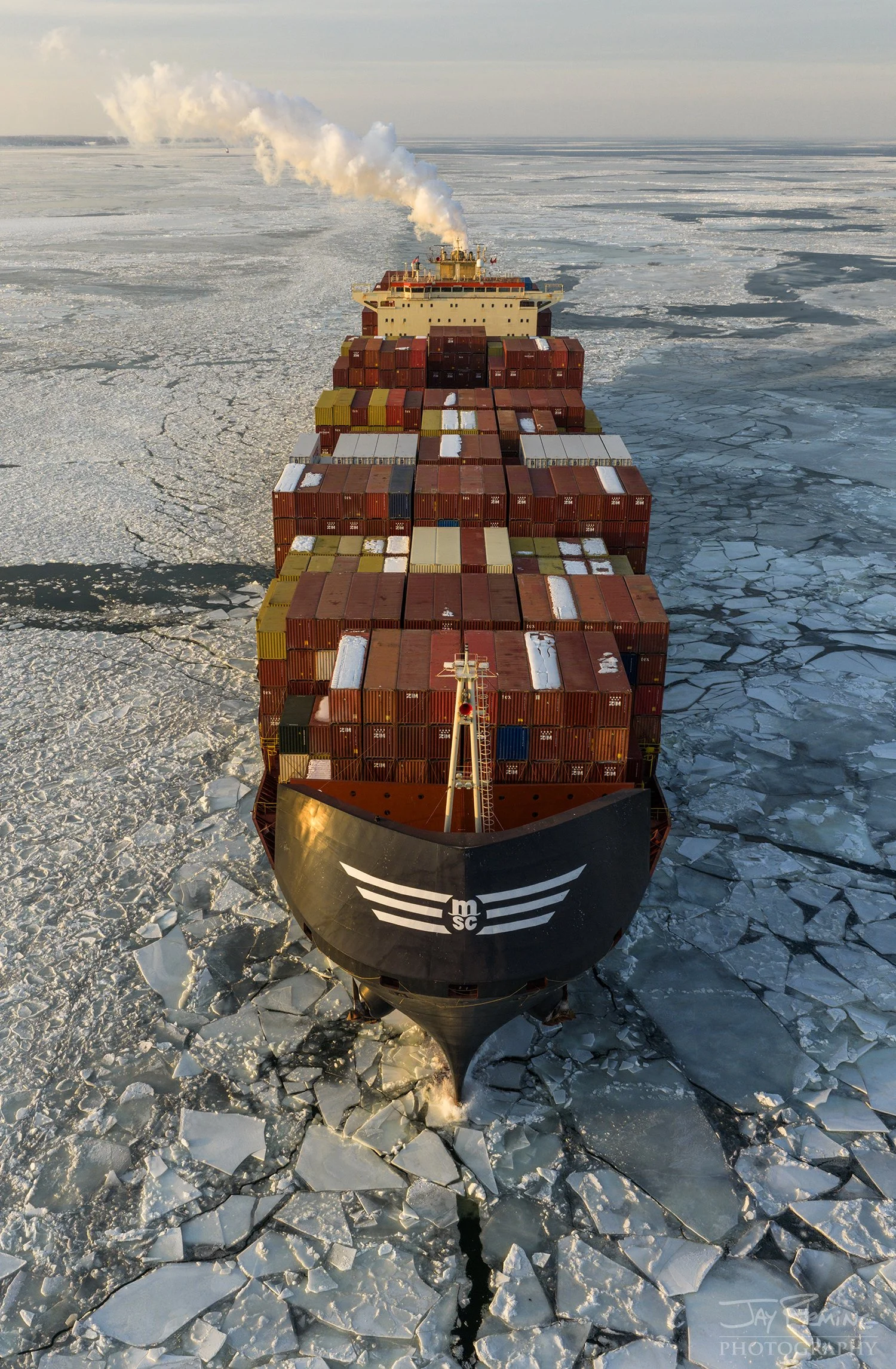
An MSC cargo ship heads south from the Port of Baltimore toward the Chesapeake Bay Bridge, navigating through heavy ice during the rare Bay freeze of 2026.
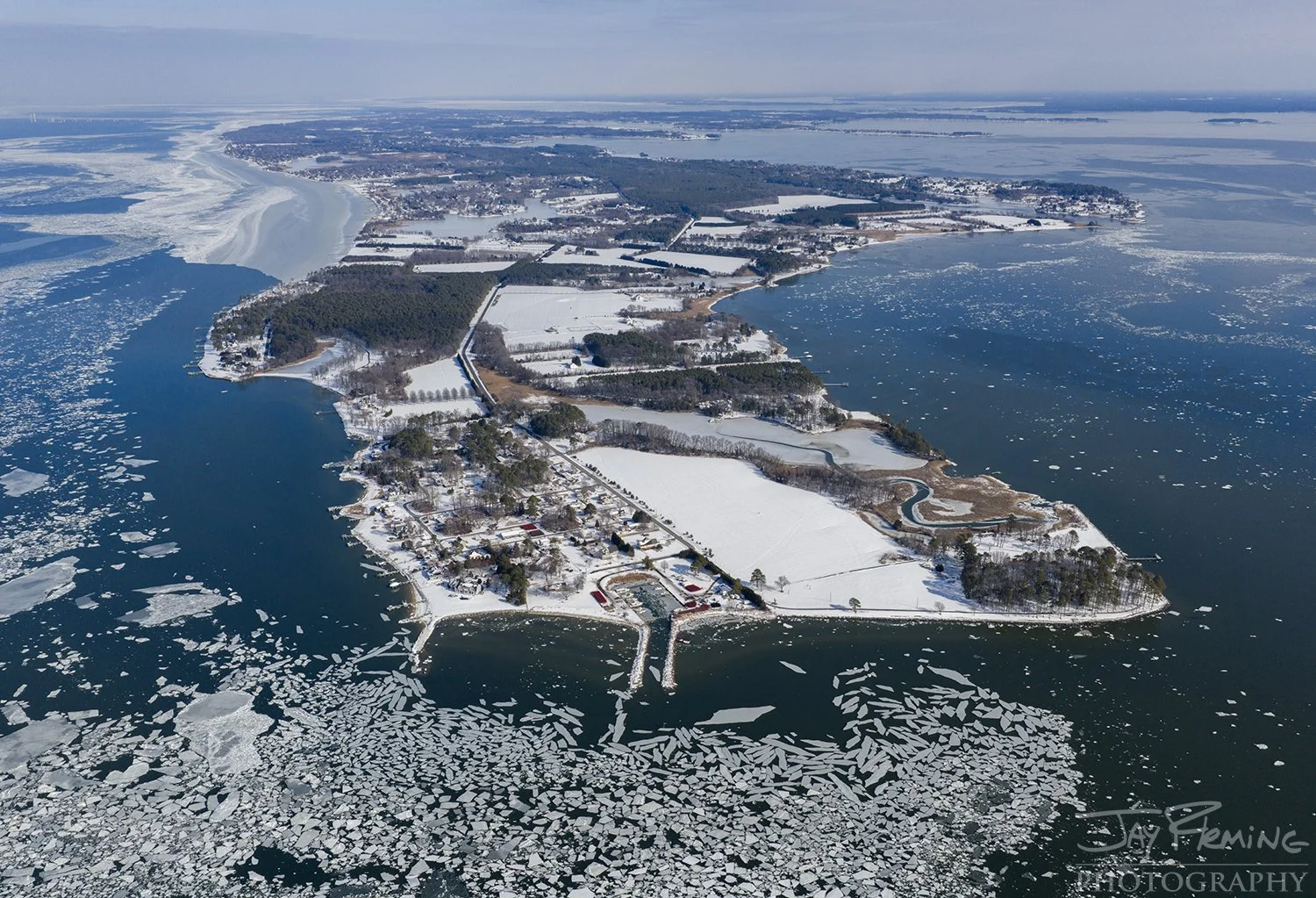
An aerial view of Kent Point on the southern end of Kent Island as the Chesapeake Bay ice began to break apart after weeks of subfreezing temperatures.
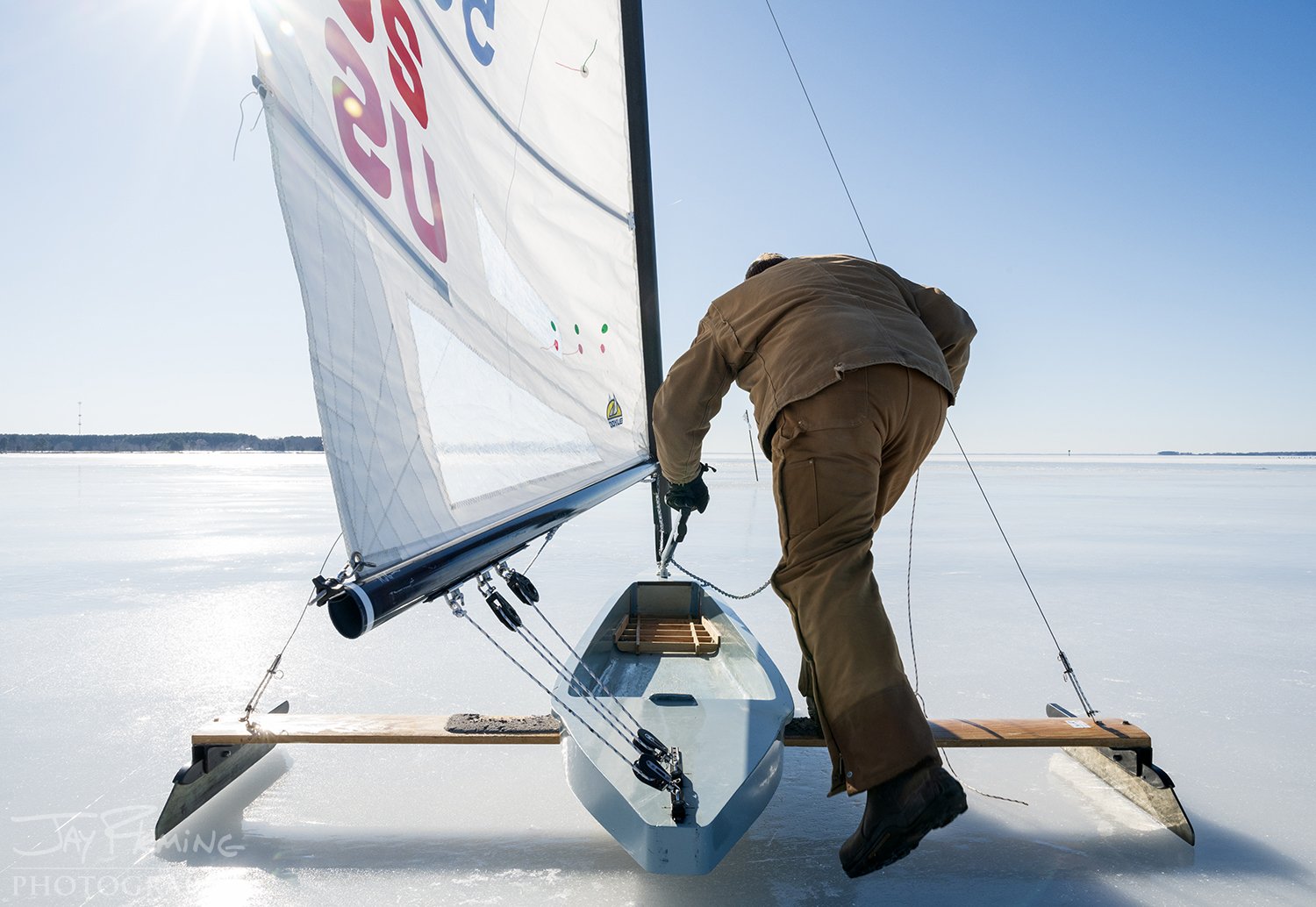
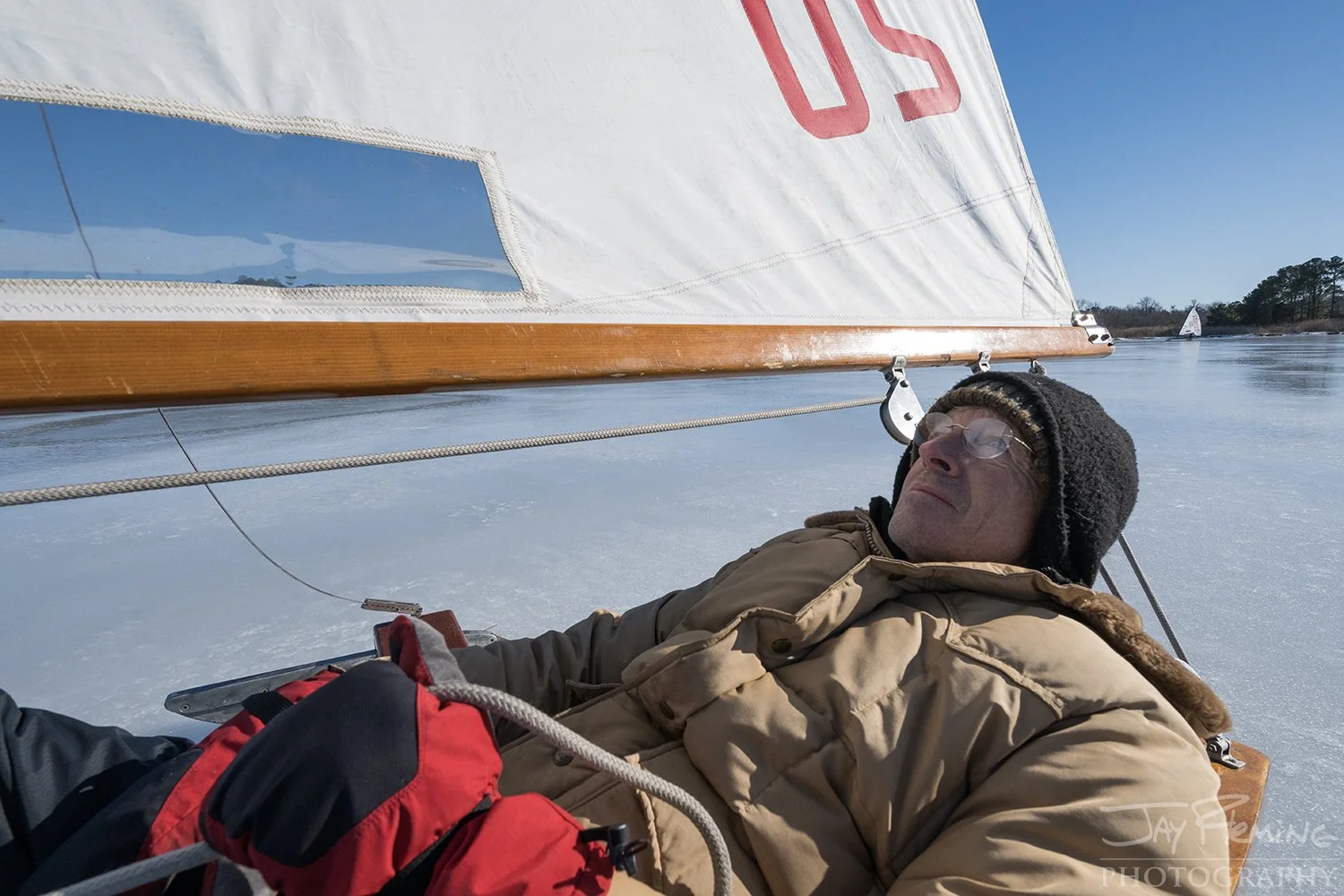
The January and February 2026 freeze created ideal conditions for iceboating on the Chesapeake Bay. Dozens of sailors rigged their iceboats for this rare winter opportunity on Maryland’s Eastern Shore, where “hard water” sailing lasted for several weeks.
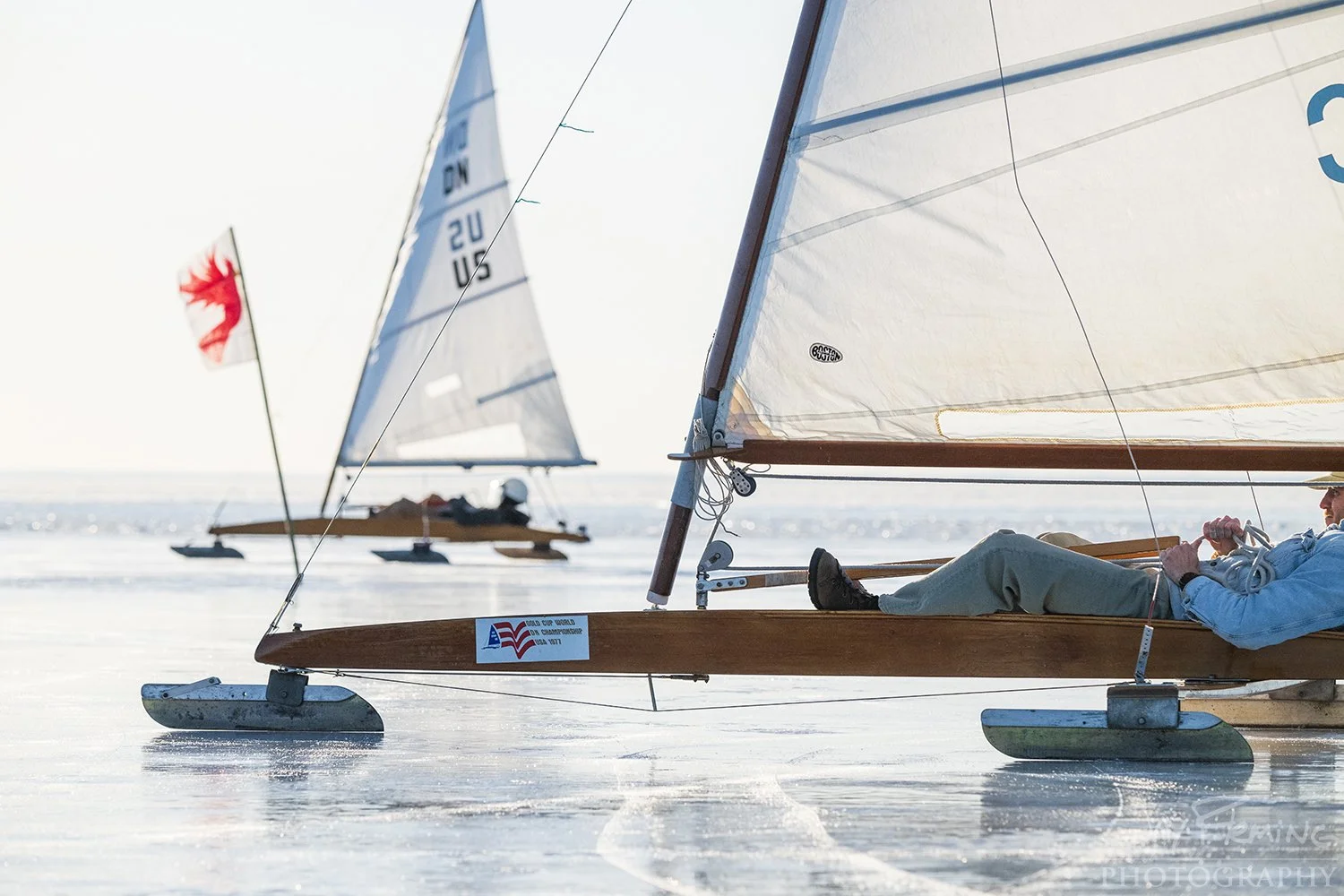
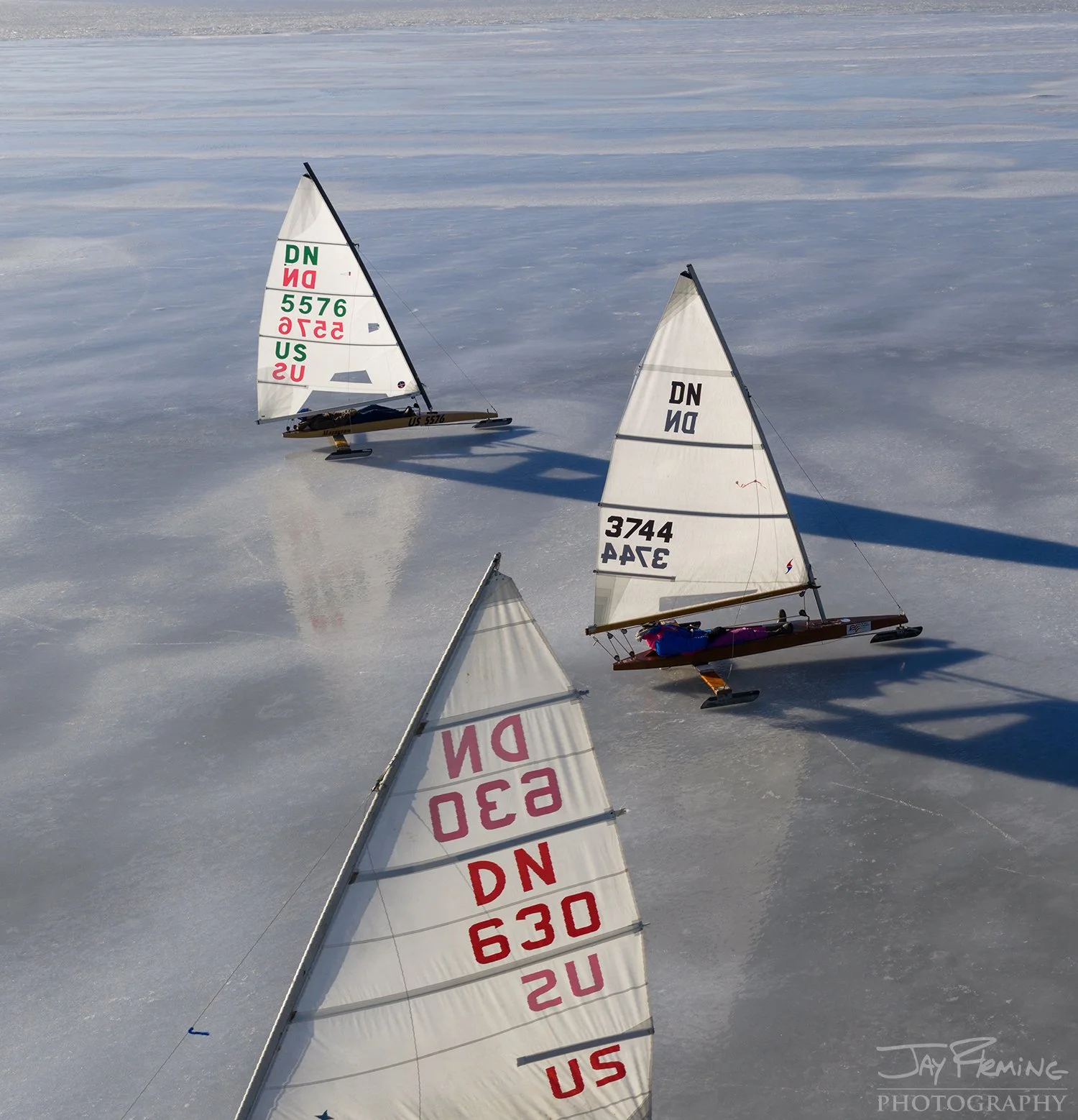
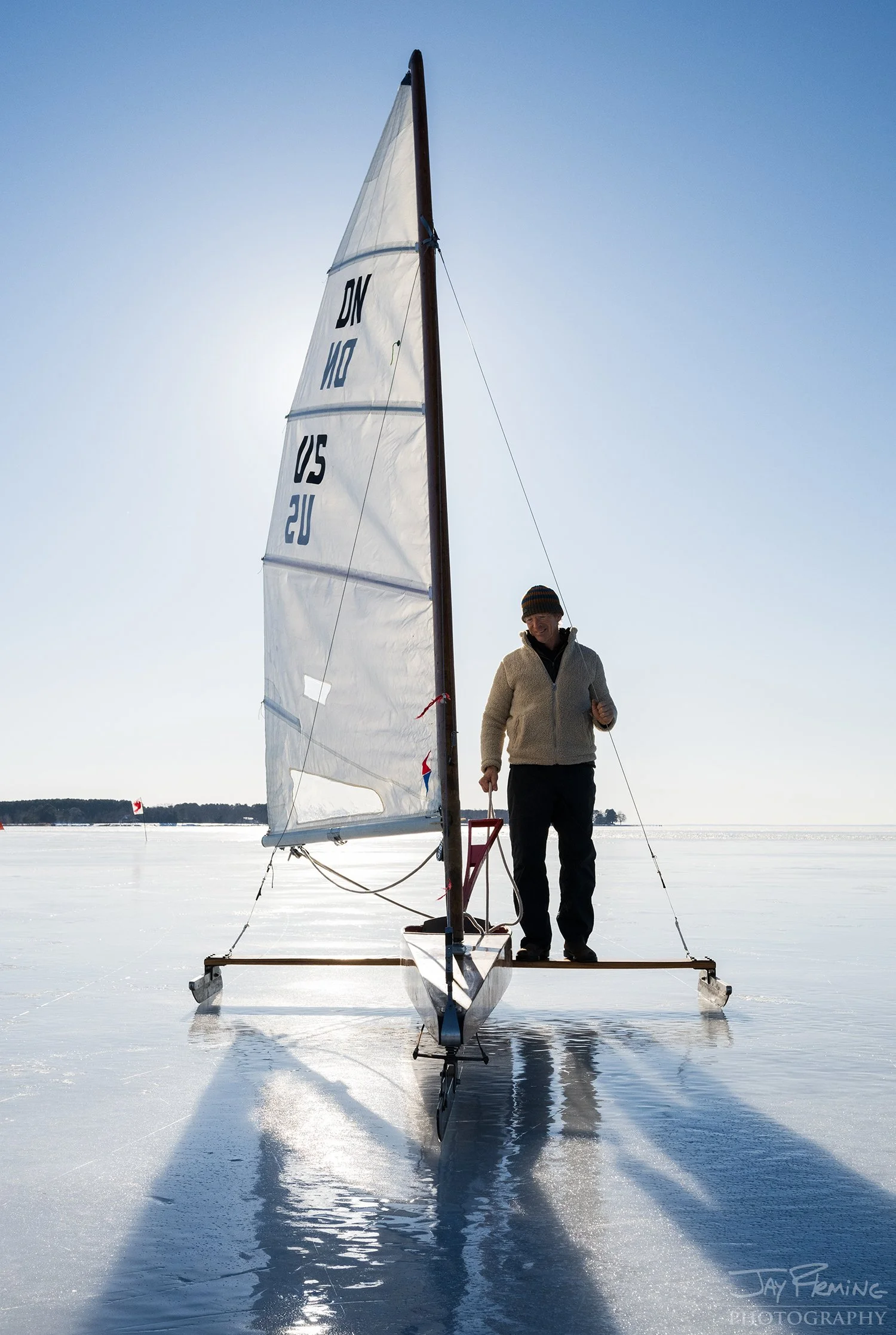
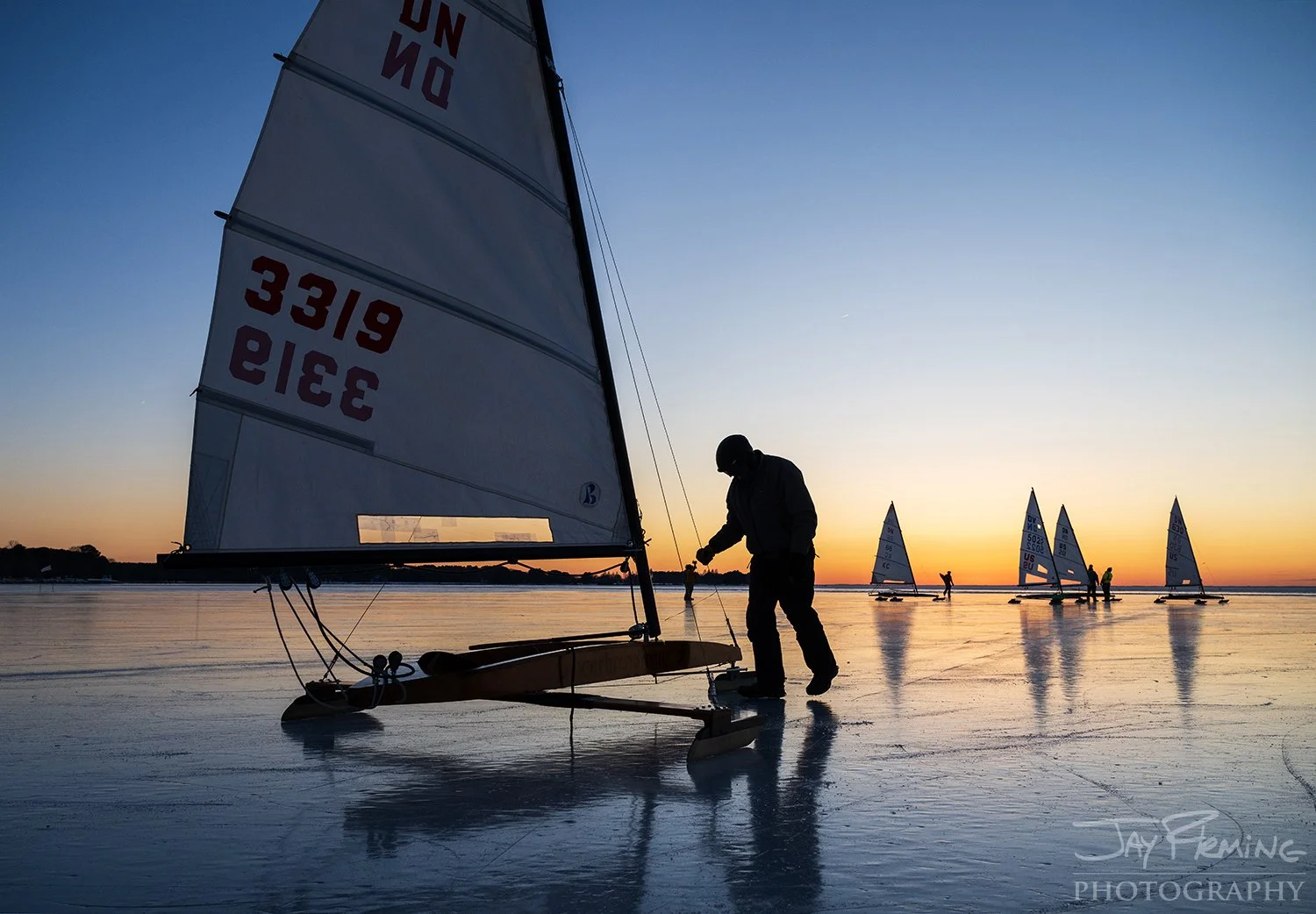
Iceboats line up at sunset at Claiborne Landing, their blades resting on solid Chesapeake Bay ice.
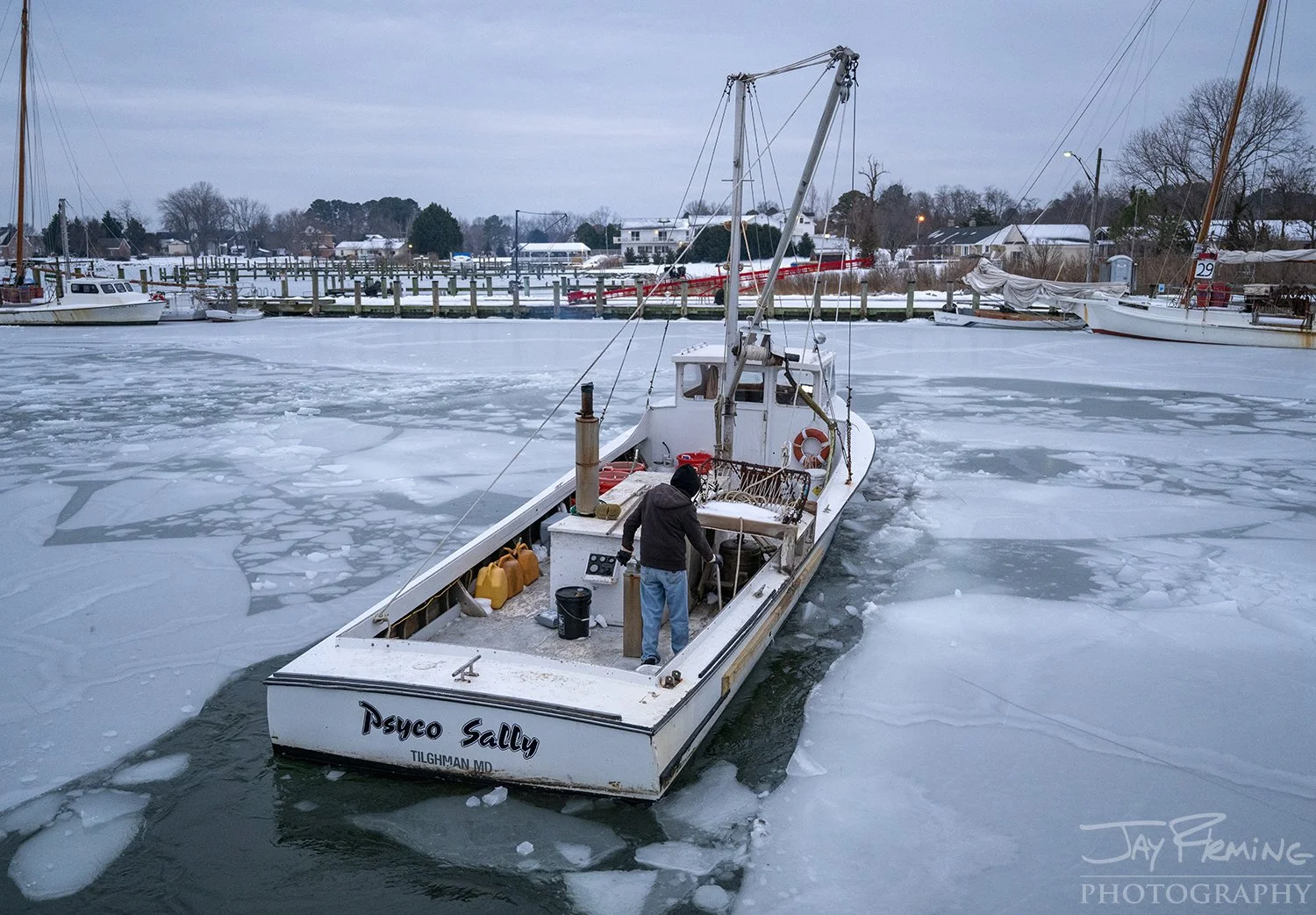
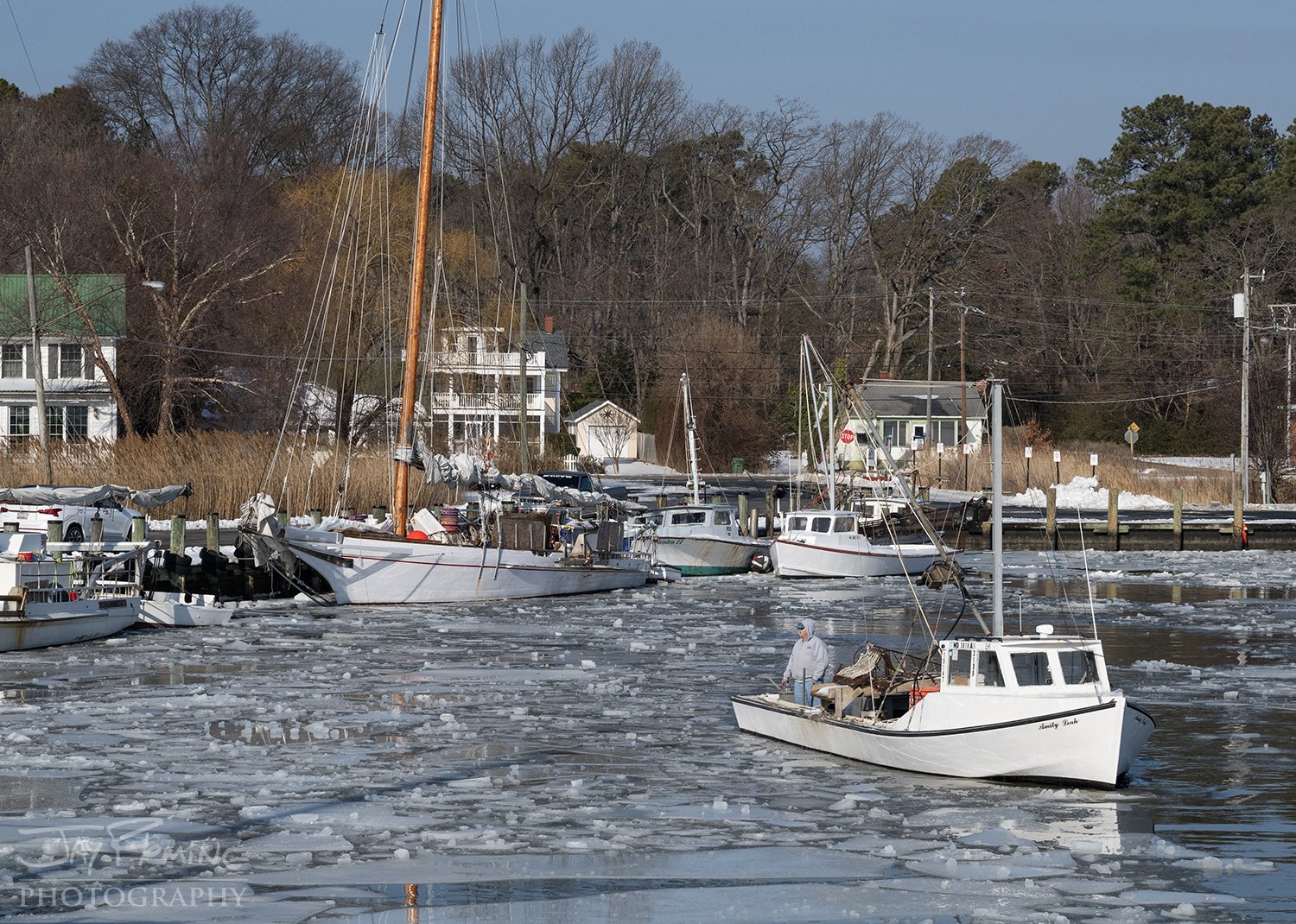
Patrick Whewell of Tilghman Island cuts a narrow path through the ice at Dogwood Harbor aboard his workboat PSYCHO SALLY, a testament to the resilience and determination of Chesapeake Bay watermen.
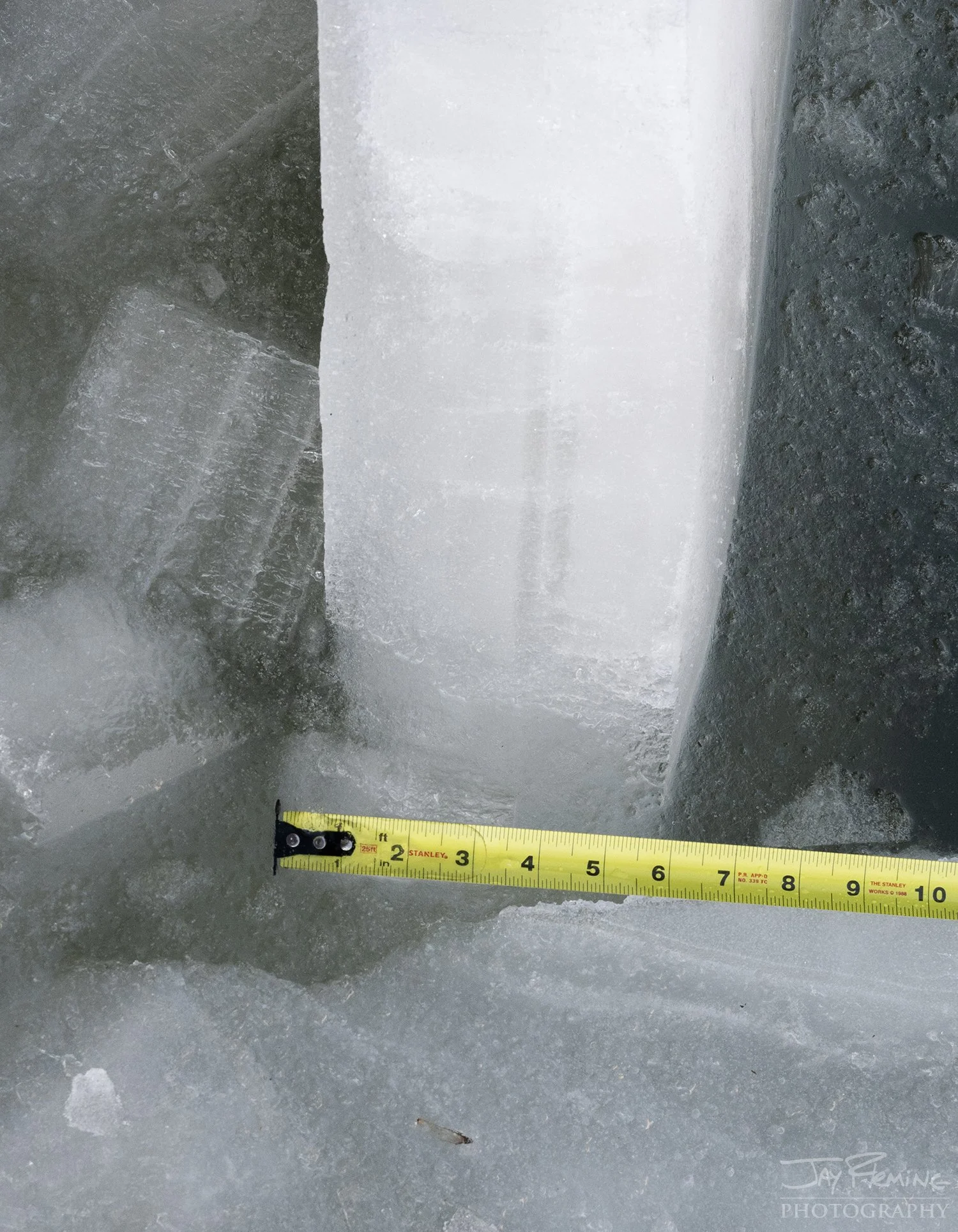
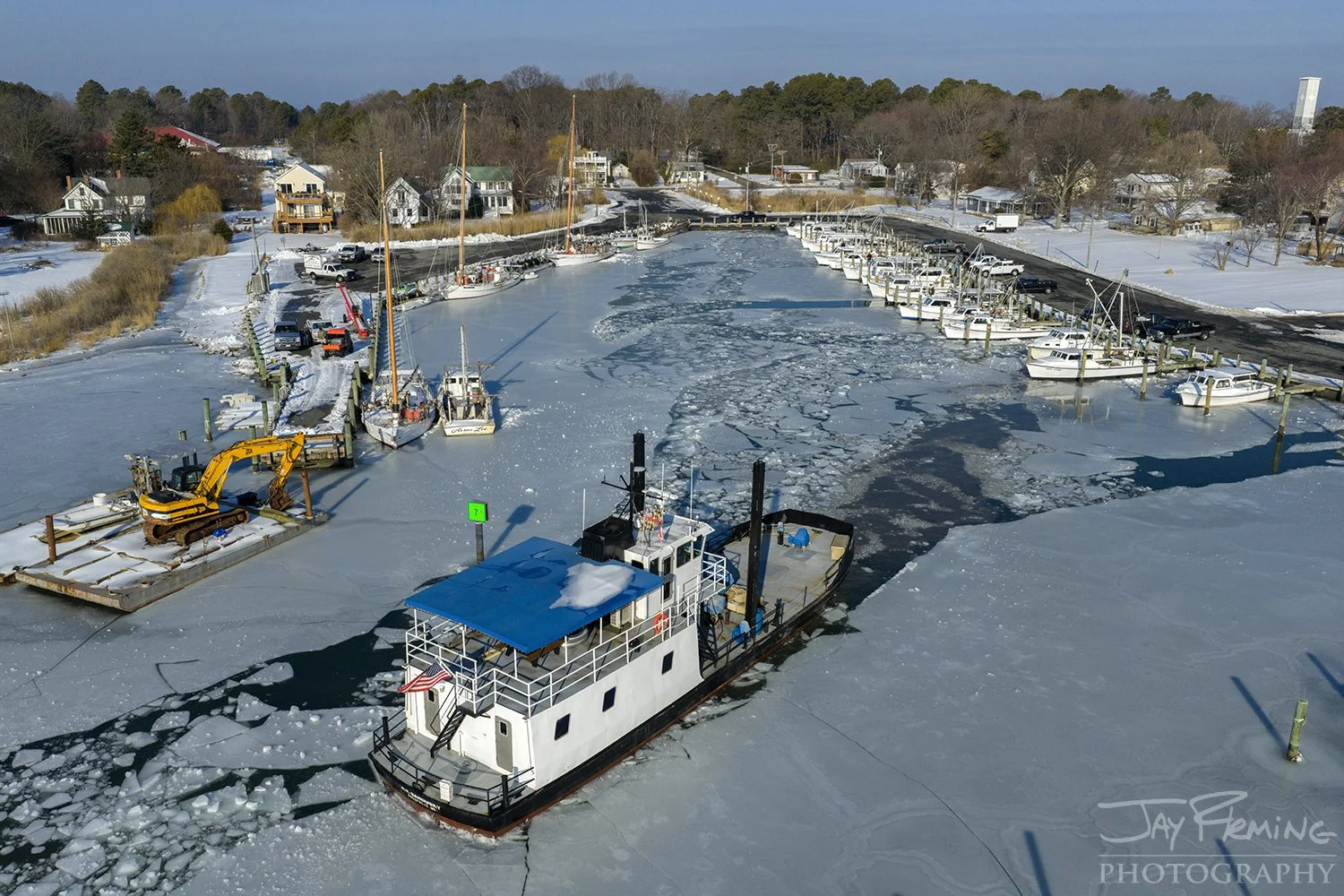
Maryland’s state icebreaker and buoy tender AV SANDUSKY clears the entrance to Dogwood Harbor. The state deployed ice-breaking vessels to keep commercial waterways open during the Chesapeake Bay freeze-up.
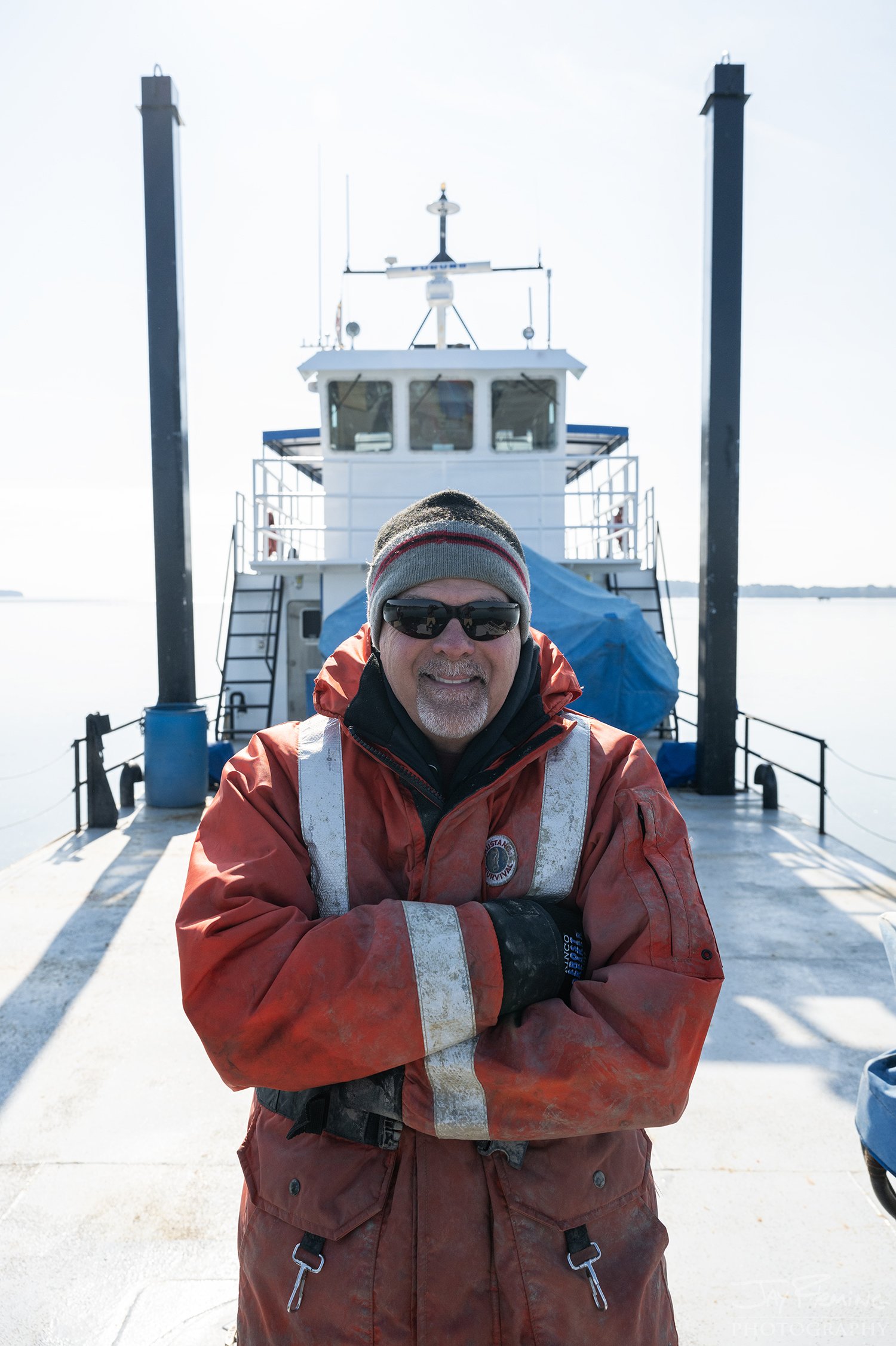
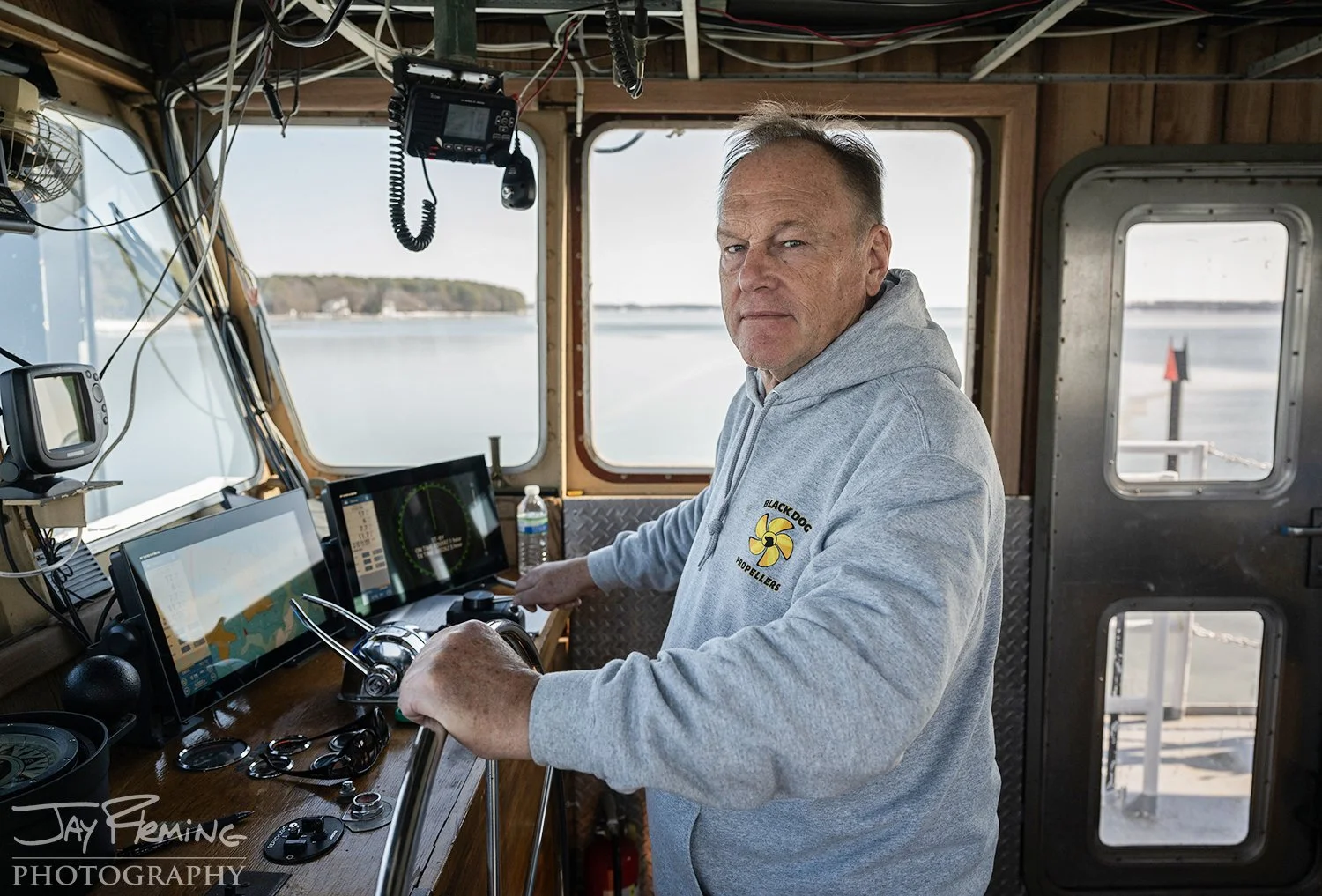
Captain Mike Simonsen (right) at the helm of Maryland’s icebreaker AV SANDUSKY during operations on the frozen Chesapeake Bay. A crew member aboard AV SANDUSKY (right) keeps watch from the bow as the vessel cuts a channel through thick ice on the Choptank River.
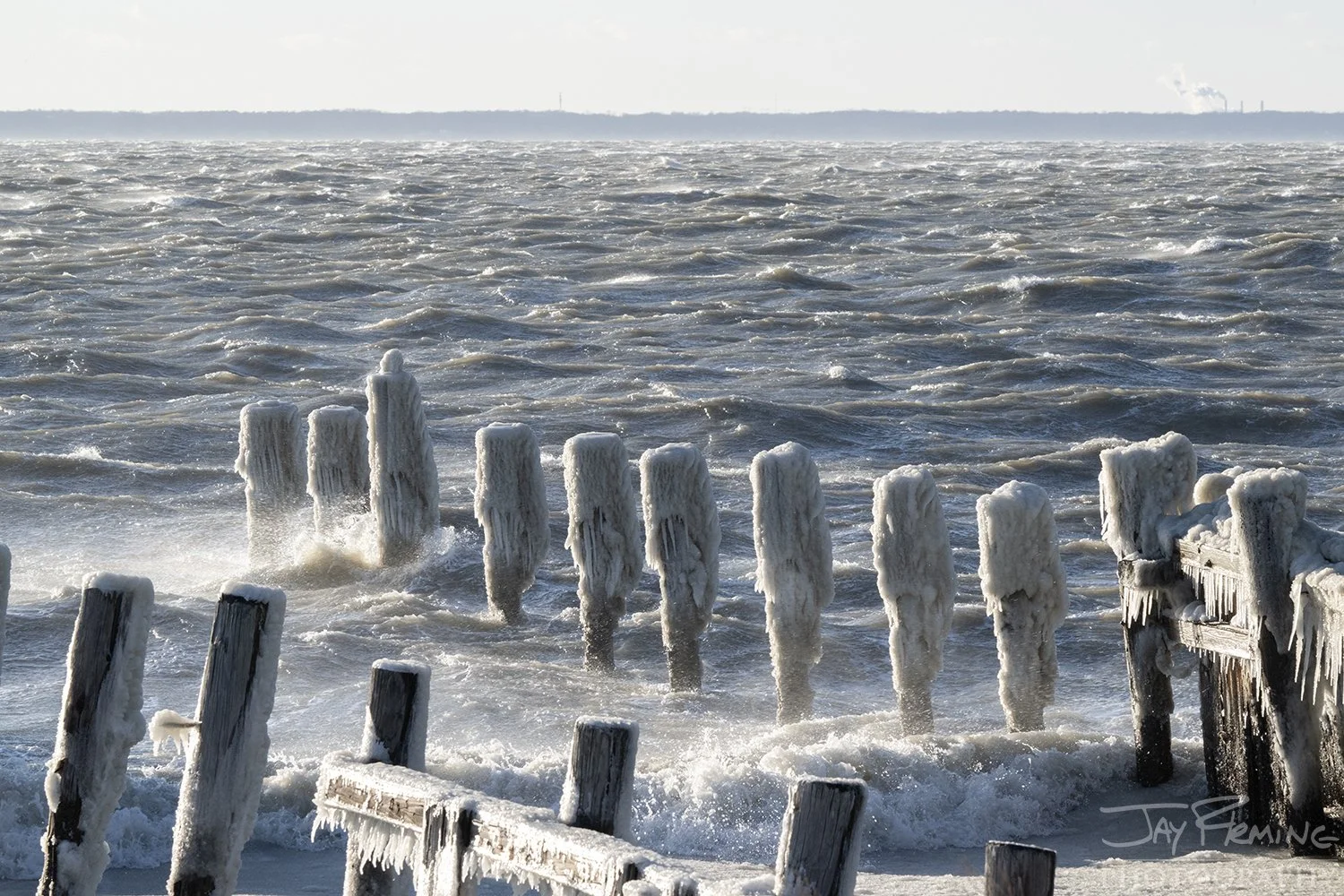
Windy, bitterly cold conditions sweep across the Chesapeake Bay off Taylors Island during the height of the 2026 winter freeze.
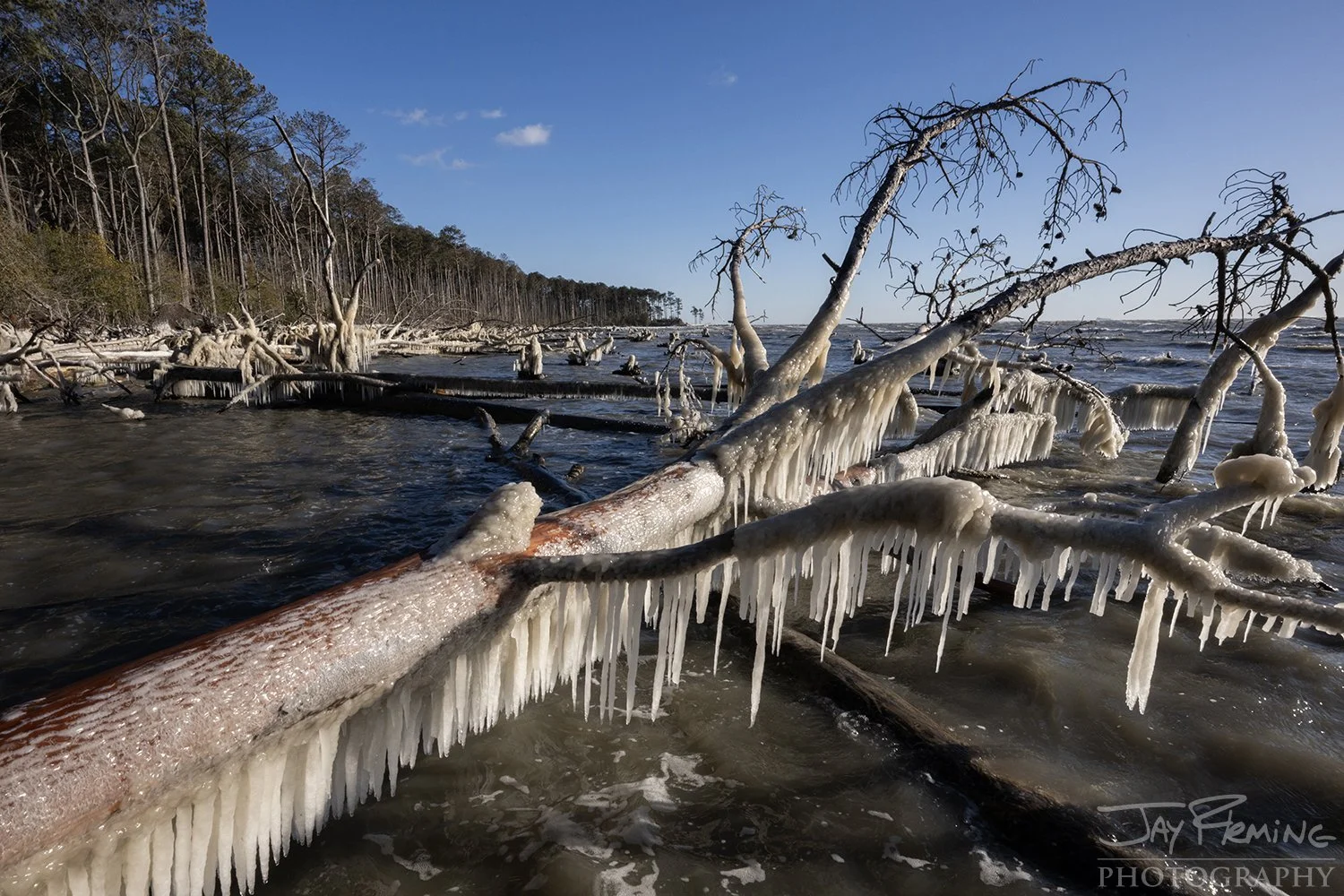
Icicles cling to fallen pine trees along the shoreline of Taylors Island in Dorchester County, Maryland highlighting the severe cold gripping the Bay’s coastal ecosystem.
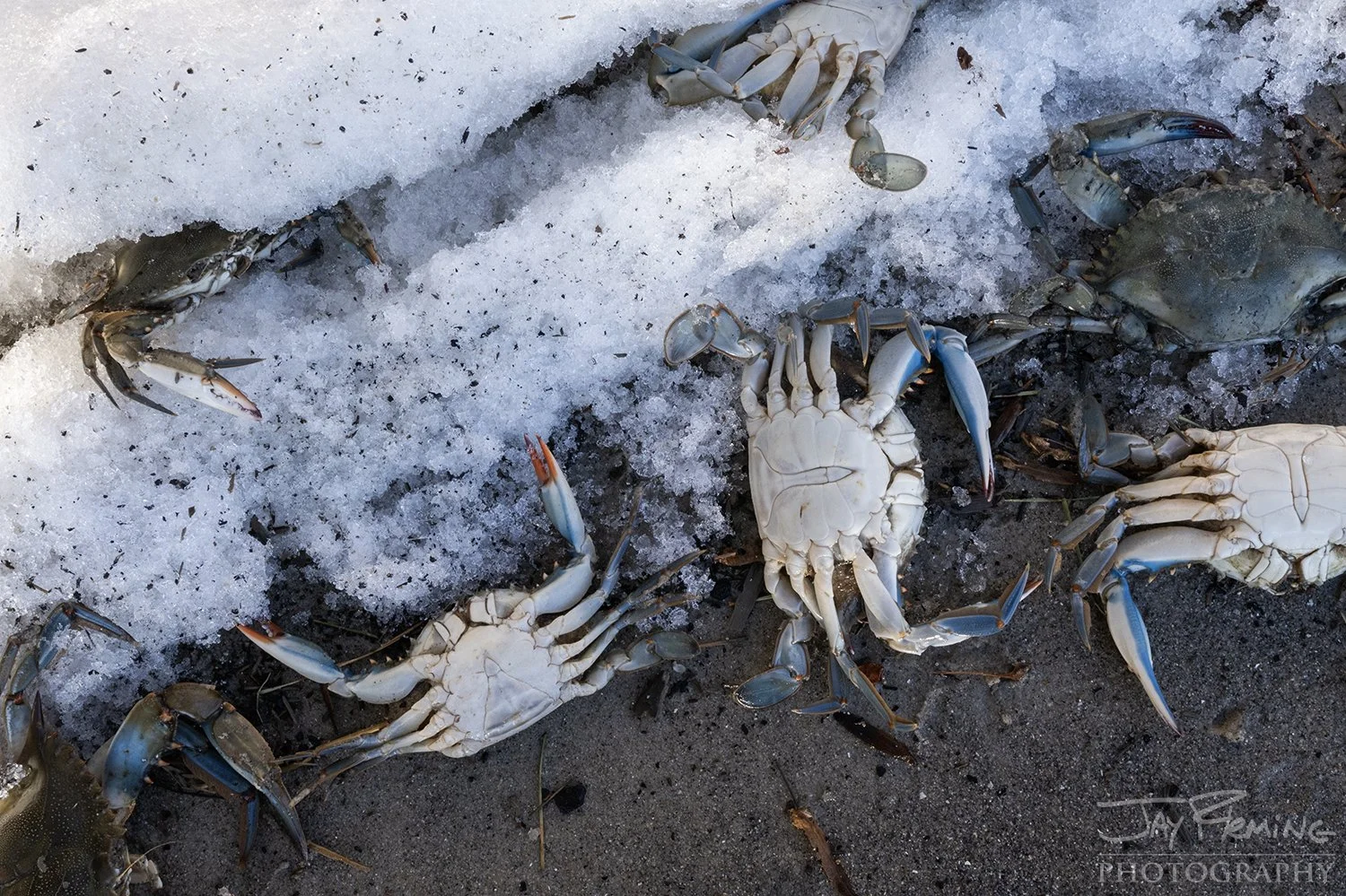
Cold-stunned blue crabs wash ashore along Taylors Island after prolonged freezing temperatures and strong northwest winds. Winter crab mortality is a natural but sobering reminder of how extreme weather impacts the Chesapeake Bay ecosystem.
TIDE~N~TIME
TIDE~N~TIME is fitting name for this dory from Dark Harbor on Grand Manan Island in the Bay of Fundy, where the tides fluctuate 30+ feet a day. This dory is used to access remote areas of the island's rocky shore to harvest seaweed and periwinkle snails.
The boat name is a play on an excerpt from 14th century writer Geoffrey Chaucer - "Time and tide wait for no man" - emphasizing the unstoppable rhythms of nature that we have to work with, not against. This certainly holds true for the biggest tides in the world on the Bay of Fundy. The tide here doesn't wait for the fishermen - they will work in the middle of the night if necessary to catch the low tides that expose what they can harvest along the shoreline.
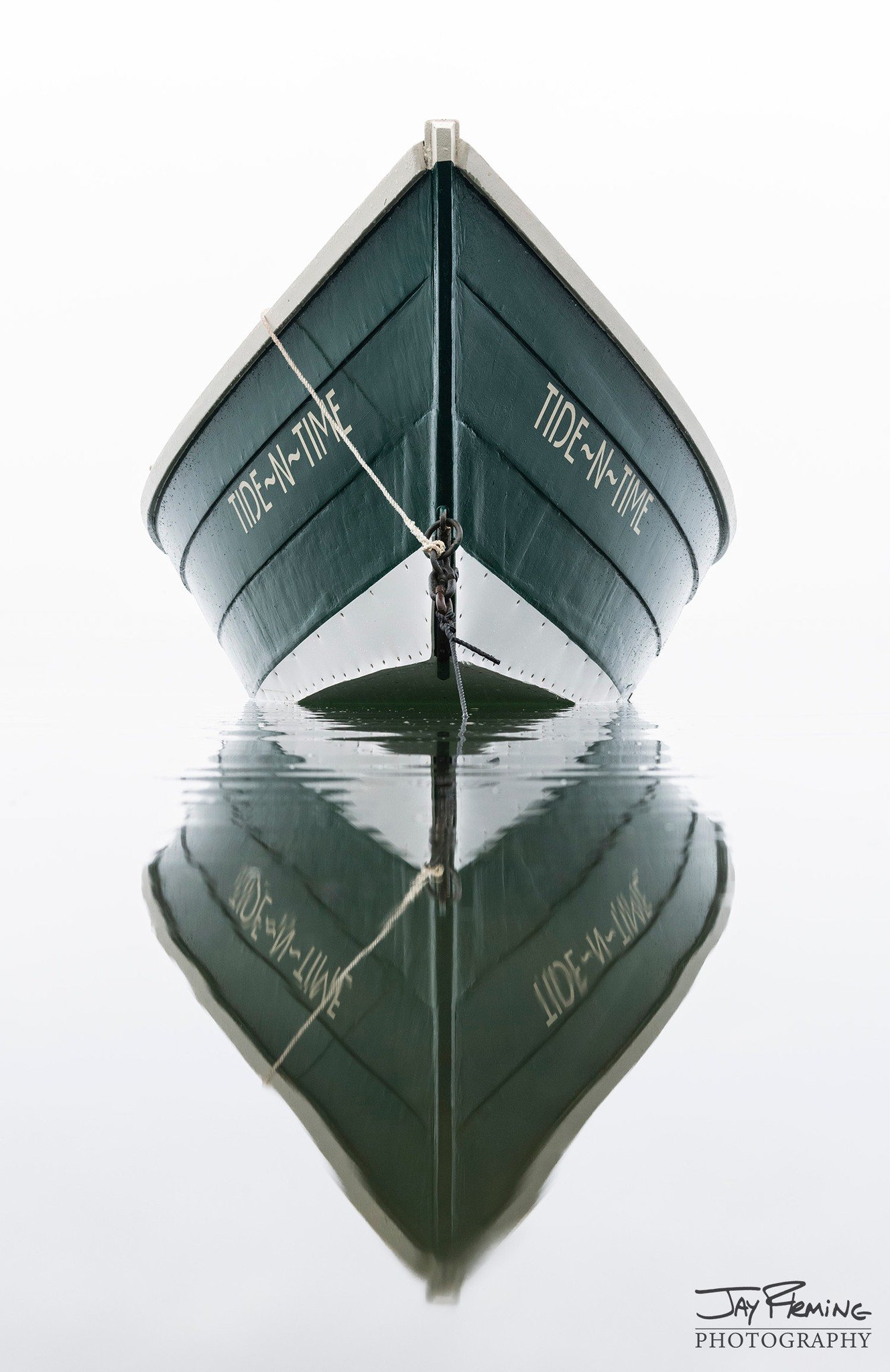
TIDE~N~TIME reflecting in the calm waters of Dark Harbor on a foggy morning.