Smith Island Photography Workshops - A Look Back at the 2026 trips

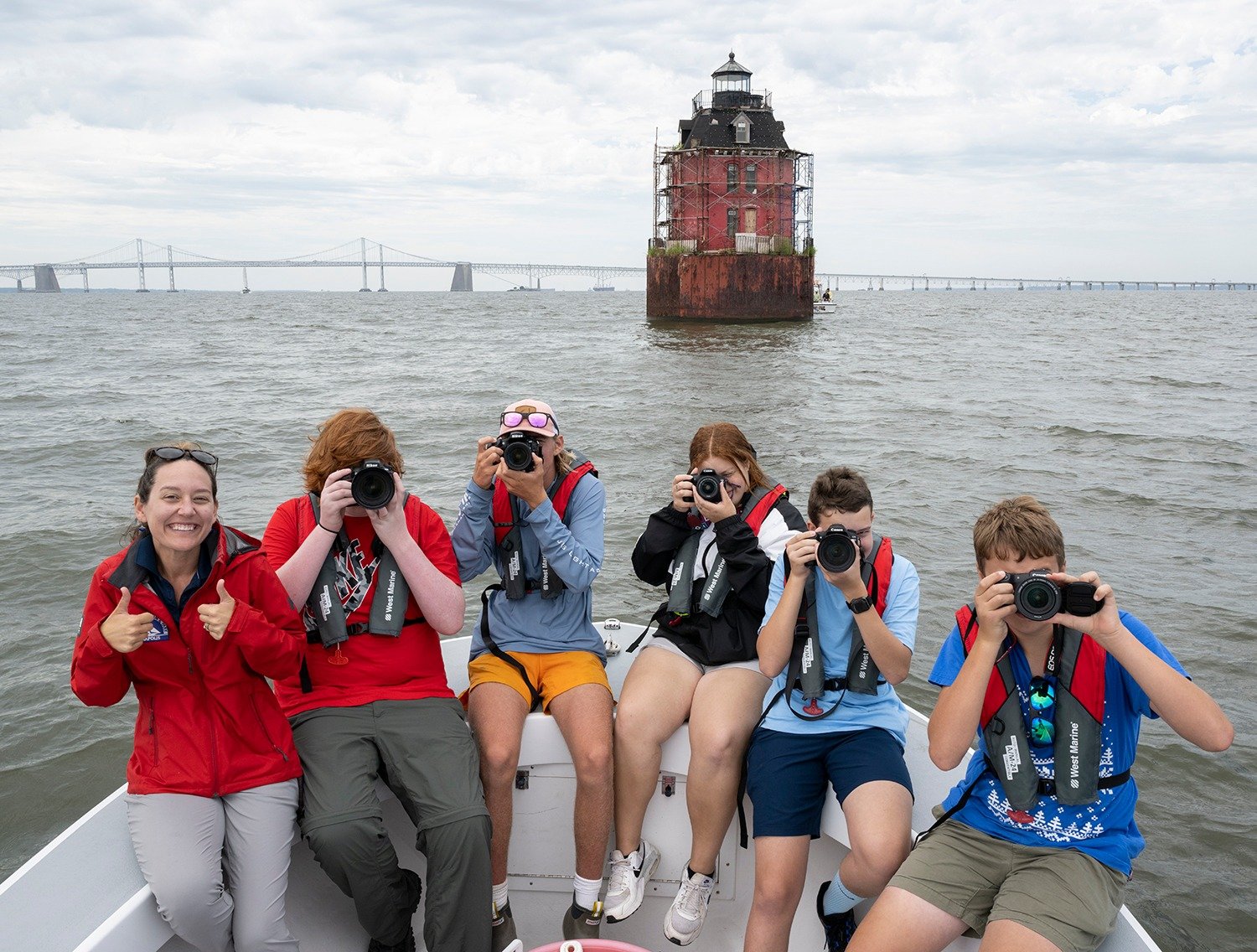
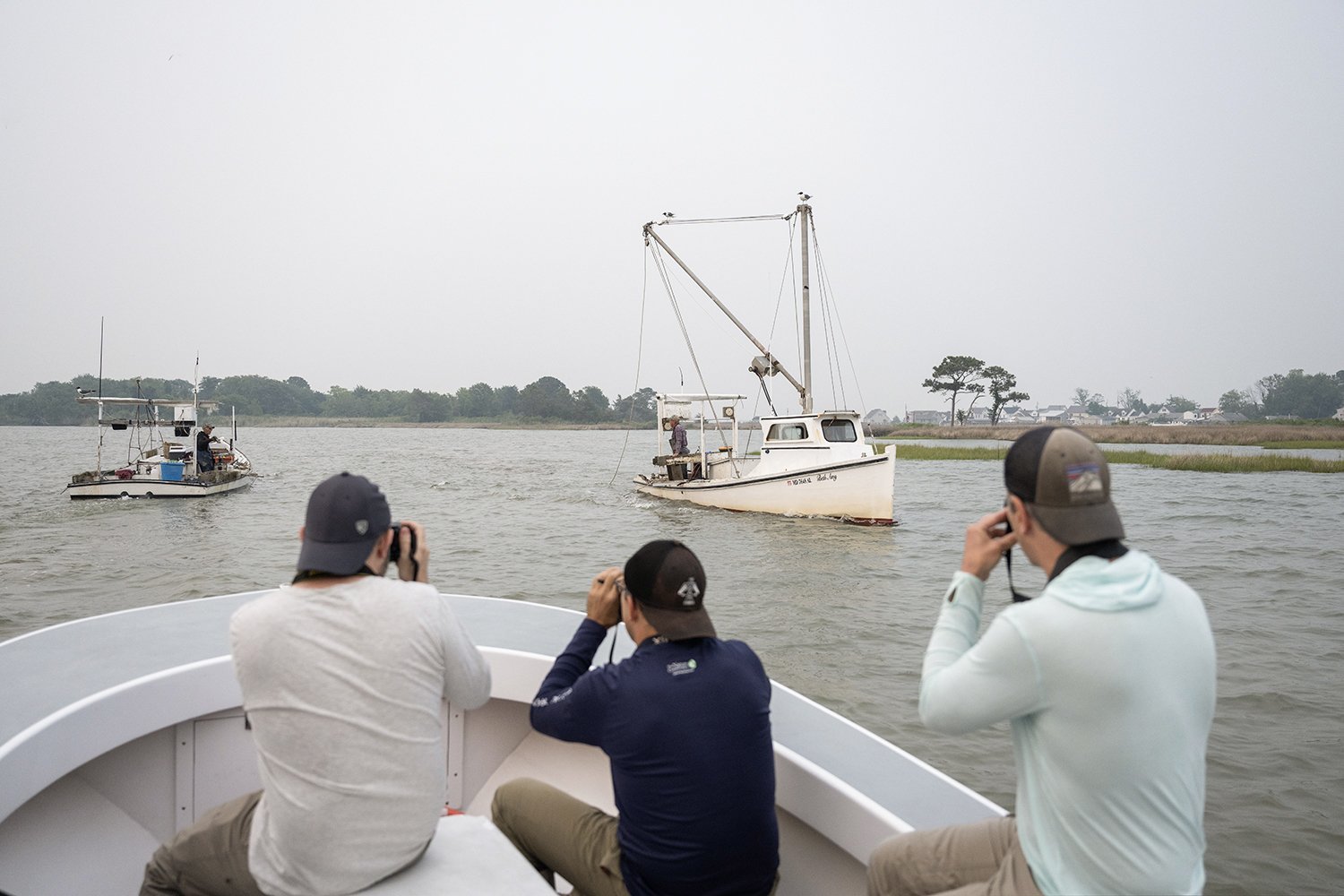
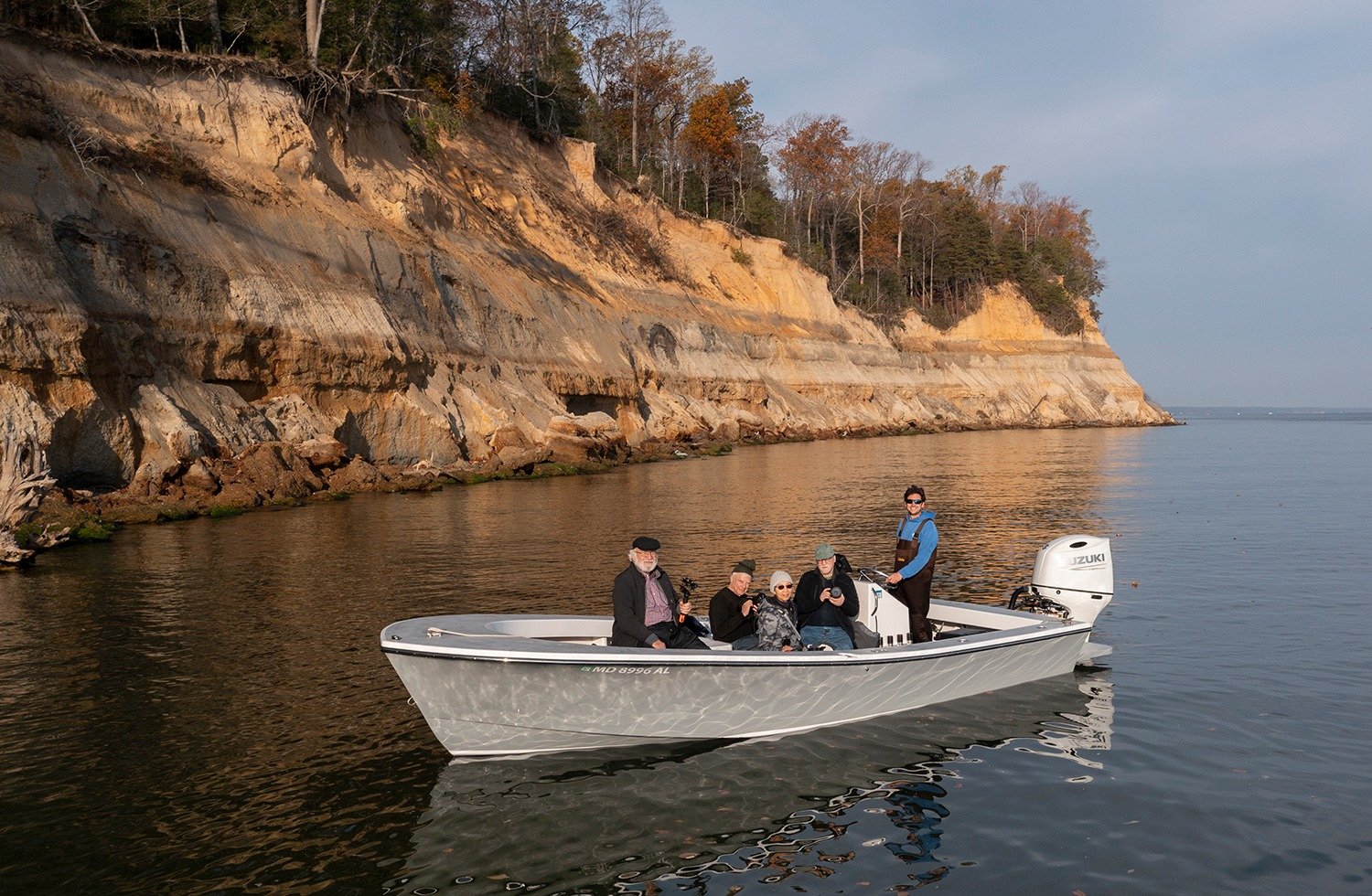
This year marked my 11th year hosting Chesapeake Bay photography workshops on Smith Island, and it's hard to believe how far this journey has come. In 2026, I welcomed 35 photographers from all over the country to join me for a Smith Island photography workshop- each one coming to photograph the island as I see it, and to experience a way of life that's disappearing from so many of the Chesapeake’s working waterfronts.

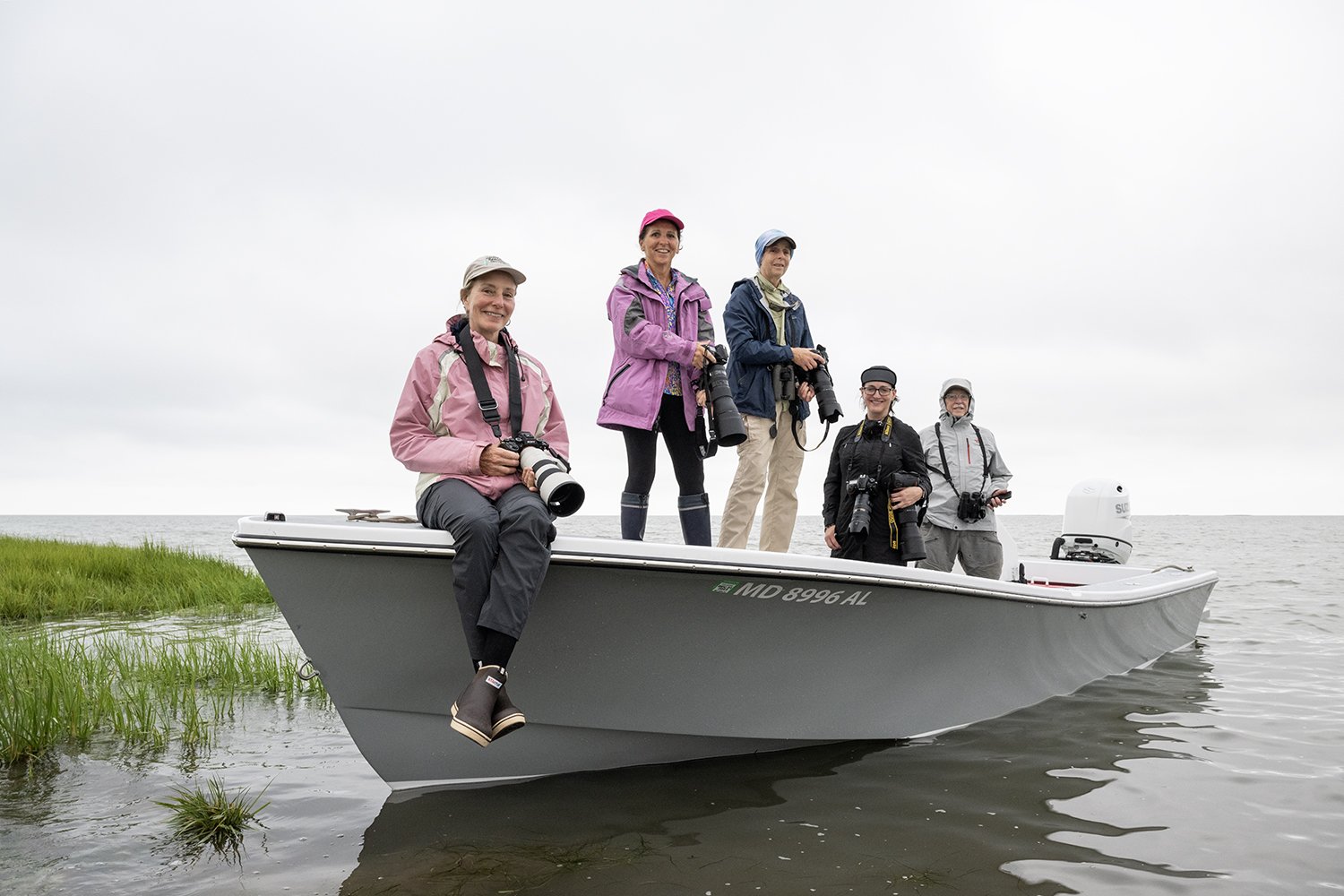
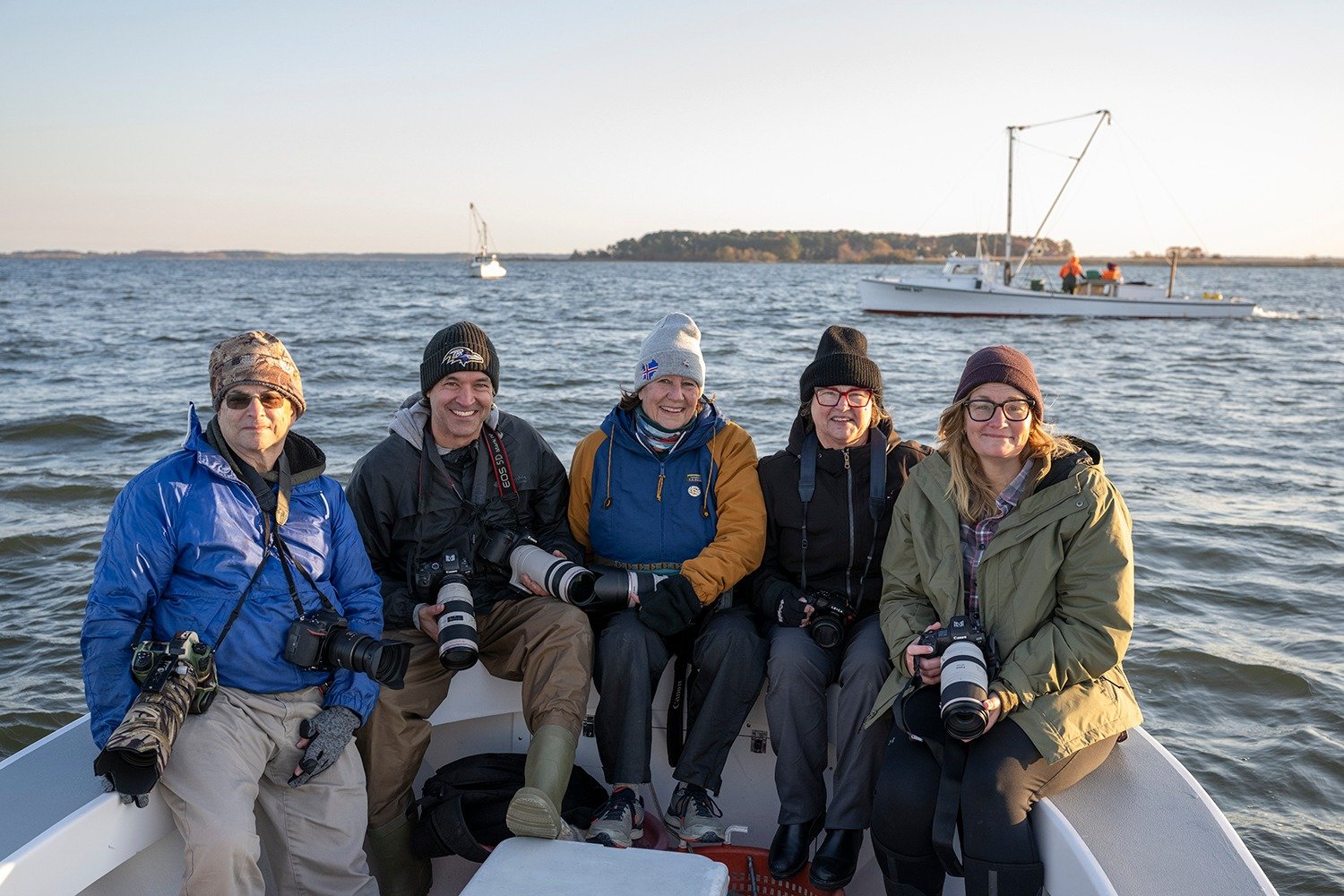
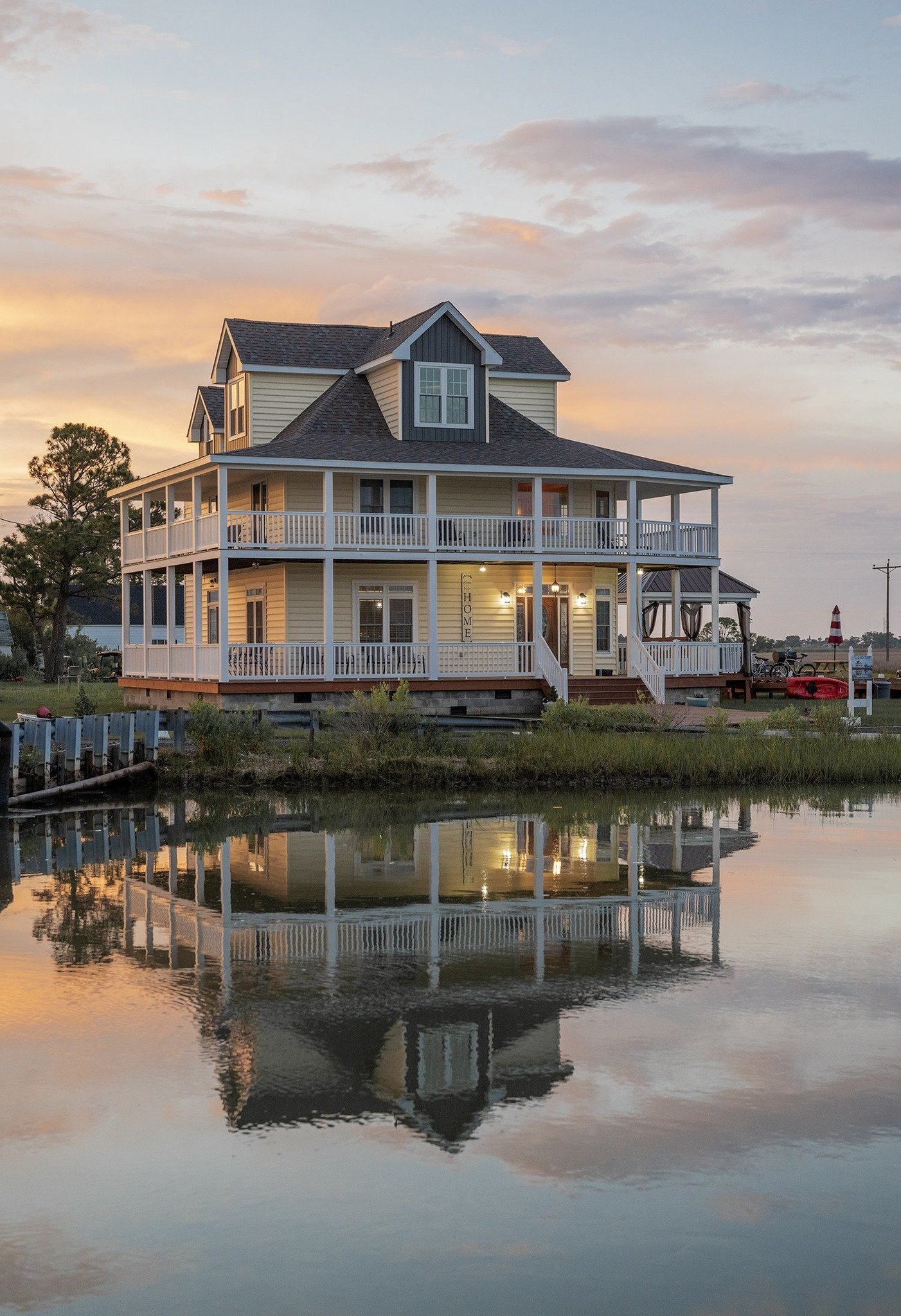
Our home base for these workshops is the ISLAND TIME House, right on Smith Island. But the majority of each trip is spent out on the water aboard my boat, so I'm able to get photographers into position for the shots that just aren't possible from land.


What Makes This Photography Workshop Different

From the beginning, my goal has been to offer something more than a typical photography workshop. Smith Island isn't just a backdrop - it's a living, working community, and I want every photographer who joins me to leave with a real understanding of that. That's why I involve people from the Smith Island community directly in these trips: watermen who let us photograph them at work, and local cooks and bakers who bring us into their kitchens. It's the difference between photographing a place and actually experiencing it.

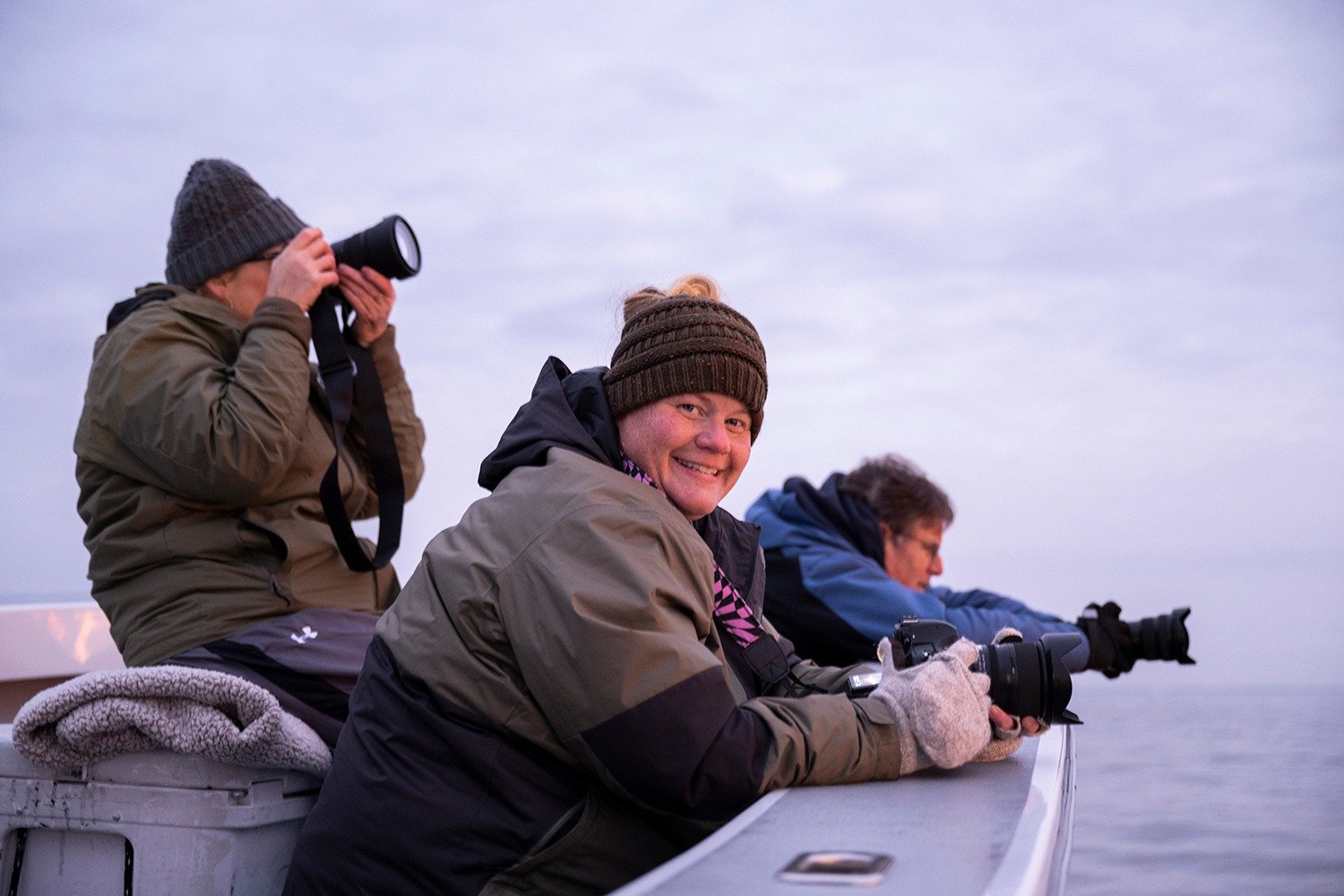
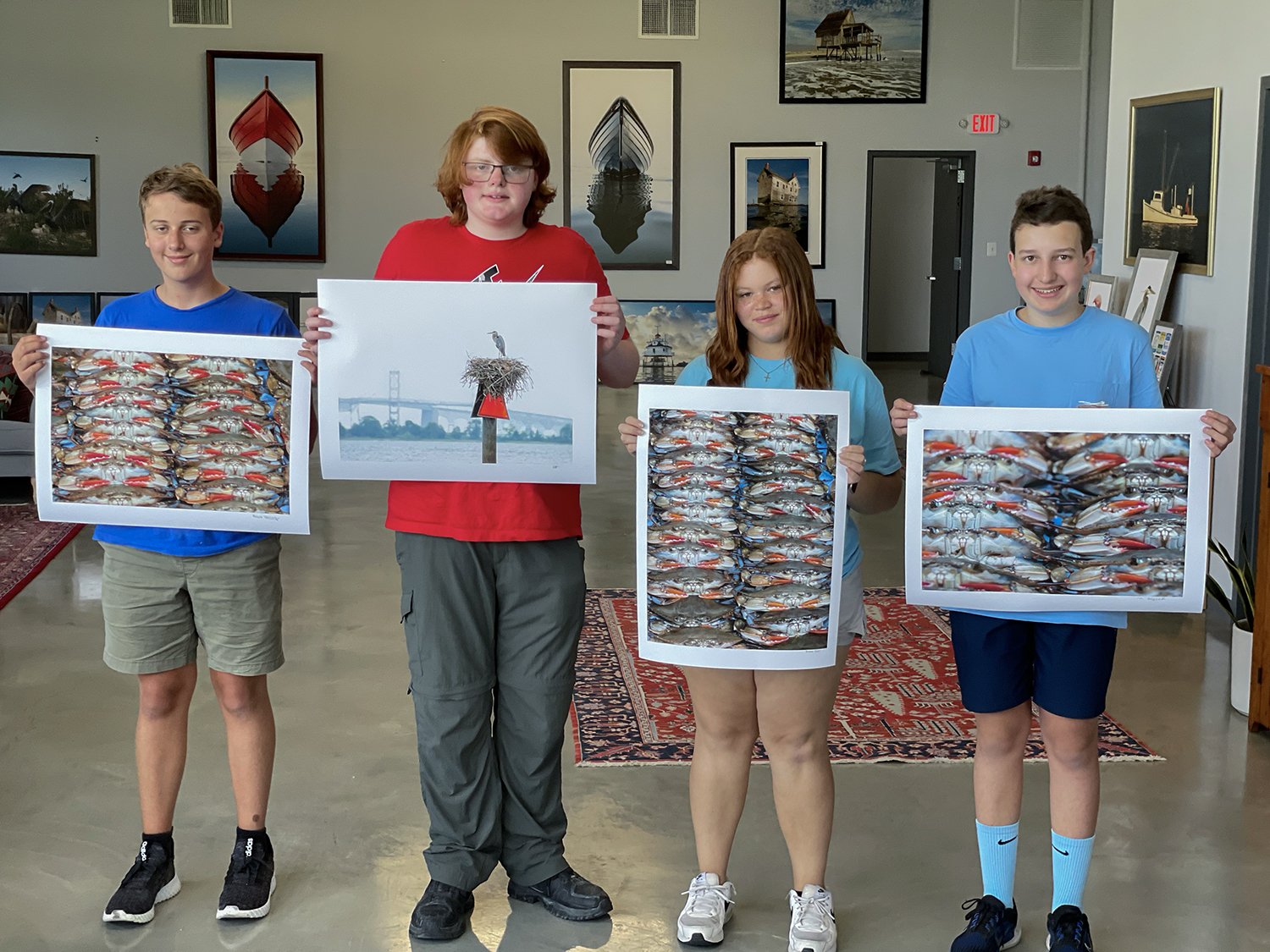
Throughout each workshop, I work directly with photographers on camera settings, composition, and lens choice - but the real learning happens through experience. Rather than lecturing from the sidelines, I'm out shooting alongside the group, guiding them through real decisions in real time as the scene unfolds in front of us. We also spend a lot of time talking through different lighting conditions and how to make the most of natural light, since so much of outdoor photography comes down to reading the light and knowing when to be ready for it.


Highlights from the 2026 Season

Every workshop this year had its own highlights, but a few things and photographs stood during this run of workshops.

Wildlife Photography. The opportunities to photograph an incredible array of birds on and around Smith Island continue to be a highlight for nearly every group. Photographers came away from these workshops with portfolio worthy images and better understanding of how to capture challenging subjects that the photographer has very little control over. Watching a group go from unsure about wildlife photography to confidently nailing a fast-moving feeding sequence never gets old.

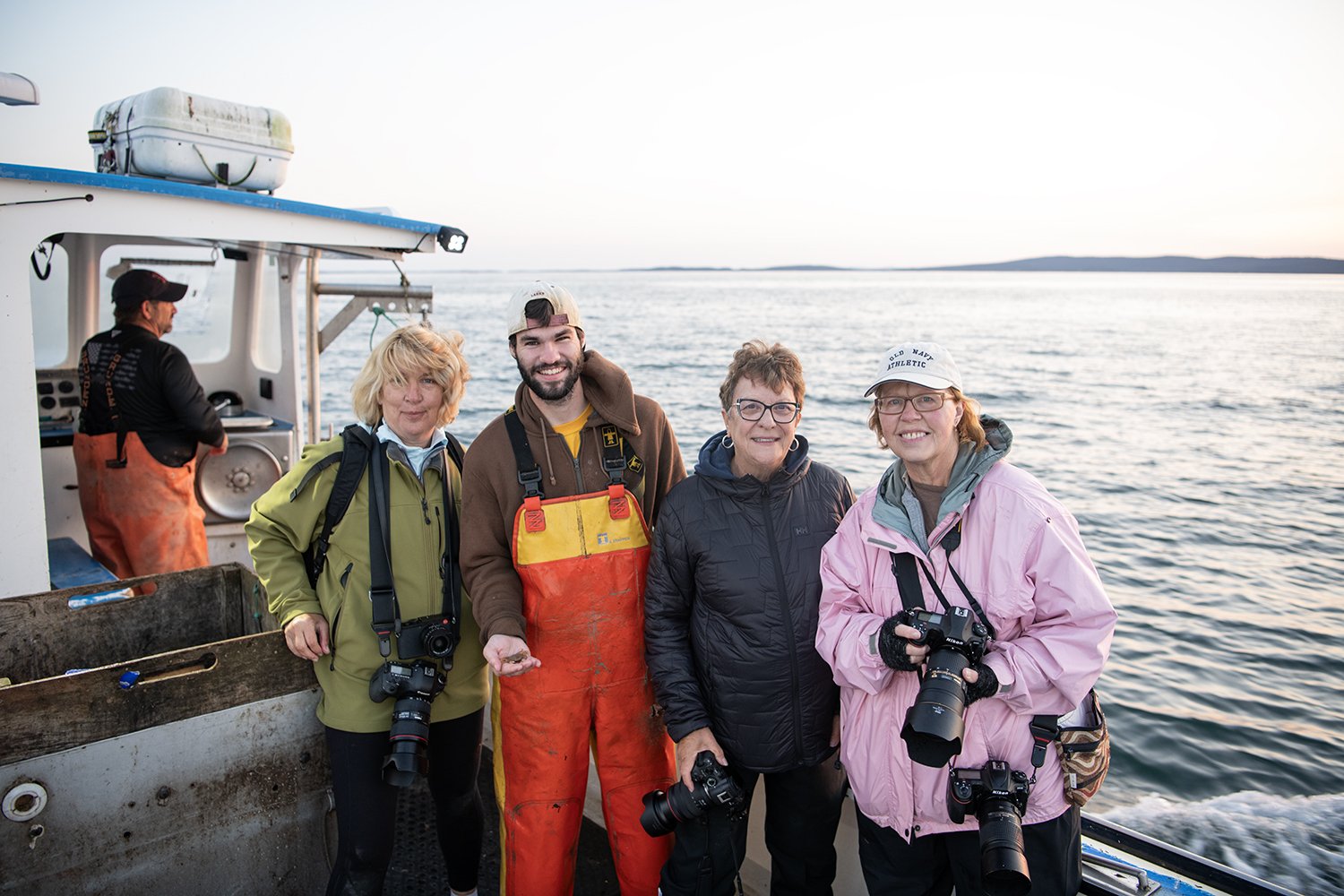
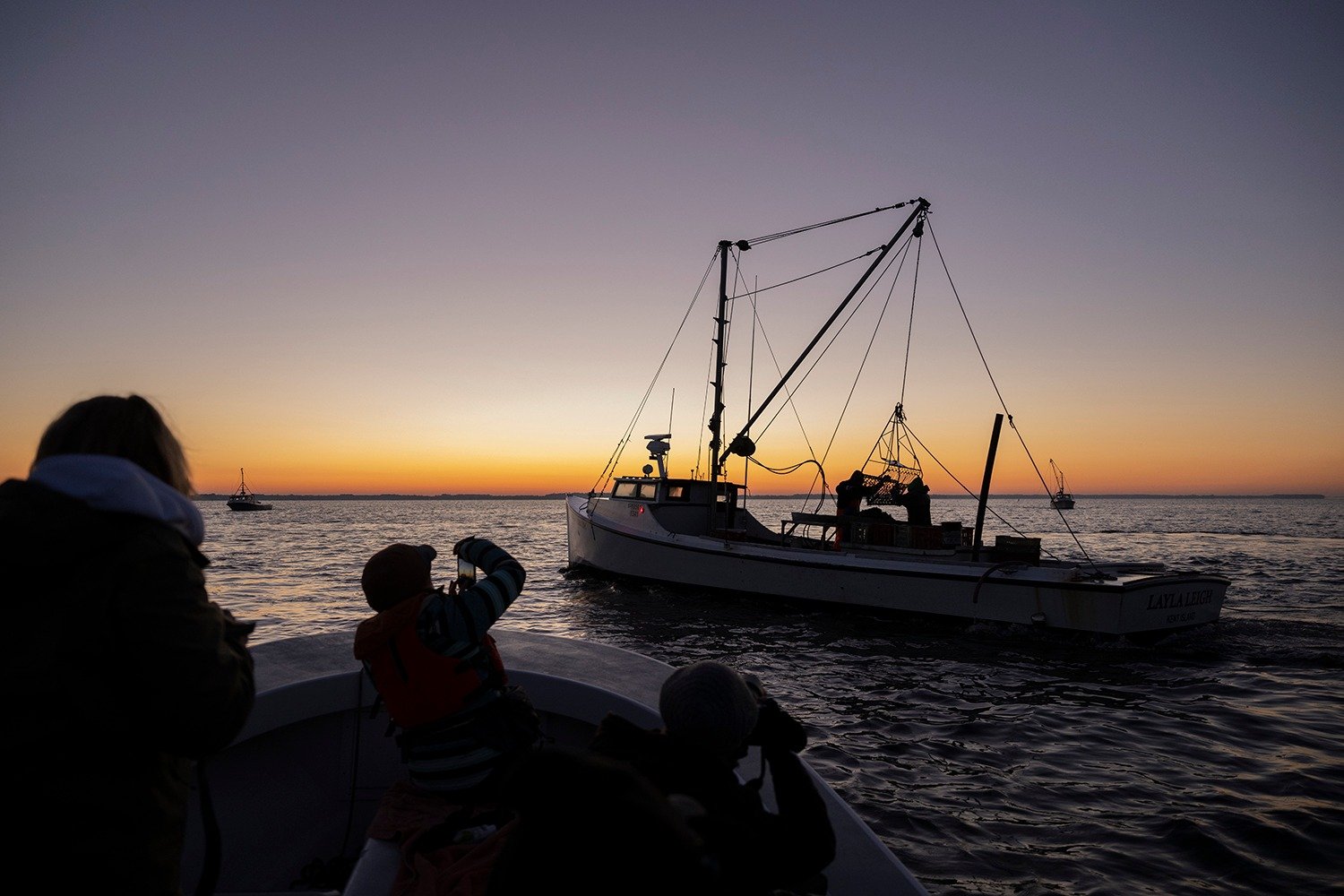
Watermen and the working waterfront - Photographing Chesapeake Bay watermen at work remains one of the most requested and most rewarding parts of these photography workshops. There's nothing quite like being on the water at sunrise, watching generations-old traditions play out in real time.

Tangier Island waterman Andy Parks showing off a blue crab to the photography workshop students. His boat MISS STUART is a traditional workboat used to scrape for crabs in the shallows around the islands.

The working waterfront of Tangier Island in beautiful morning light.

The culture - A proper crab feast and a hands-on Smith Island cake making session gave this year's groups a real taste of island life. These moments off the water are just as memorable as anything captured through a lens.


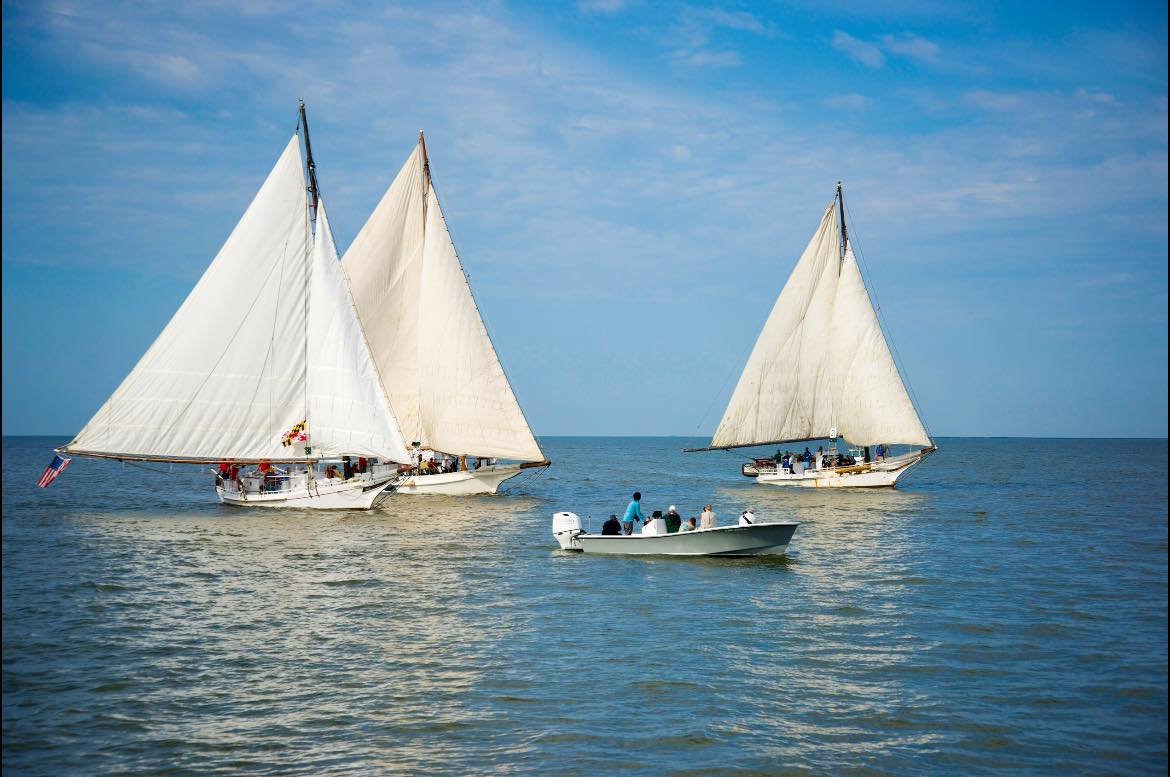
The landscapes. Both Smith and Tangier Island photography offered incredible opportunities to capture the marshes, working boats, and small-town character that define this part of the Chesapeake Bay's Eastern Shore.

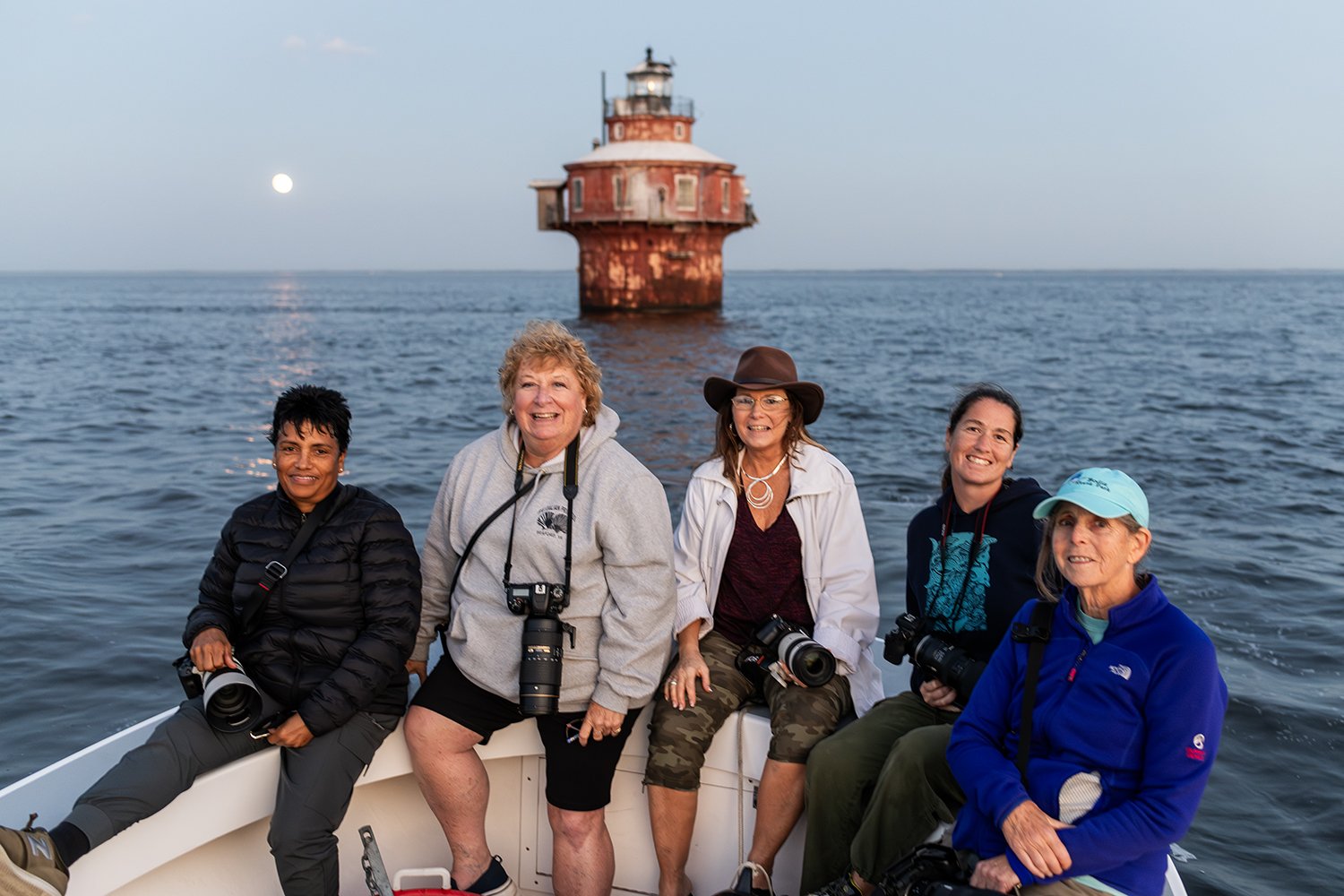
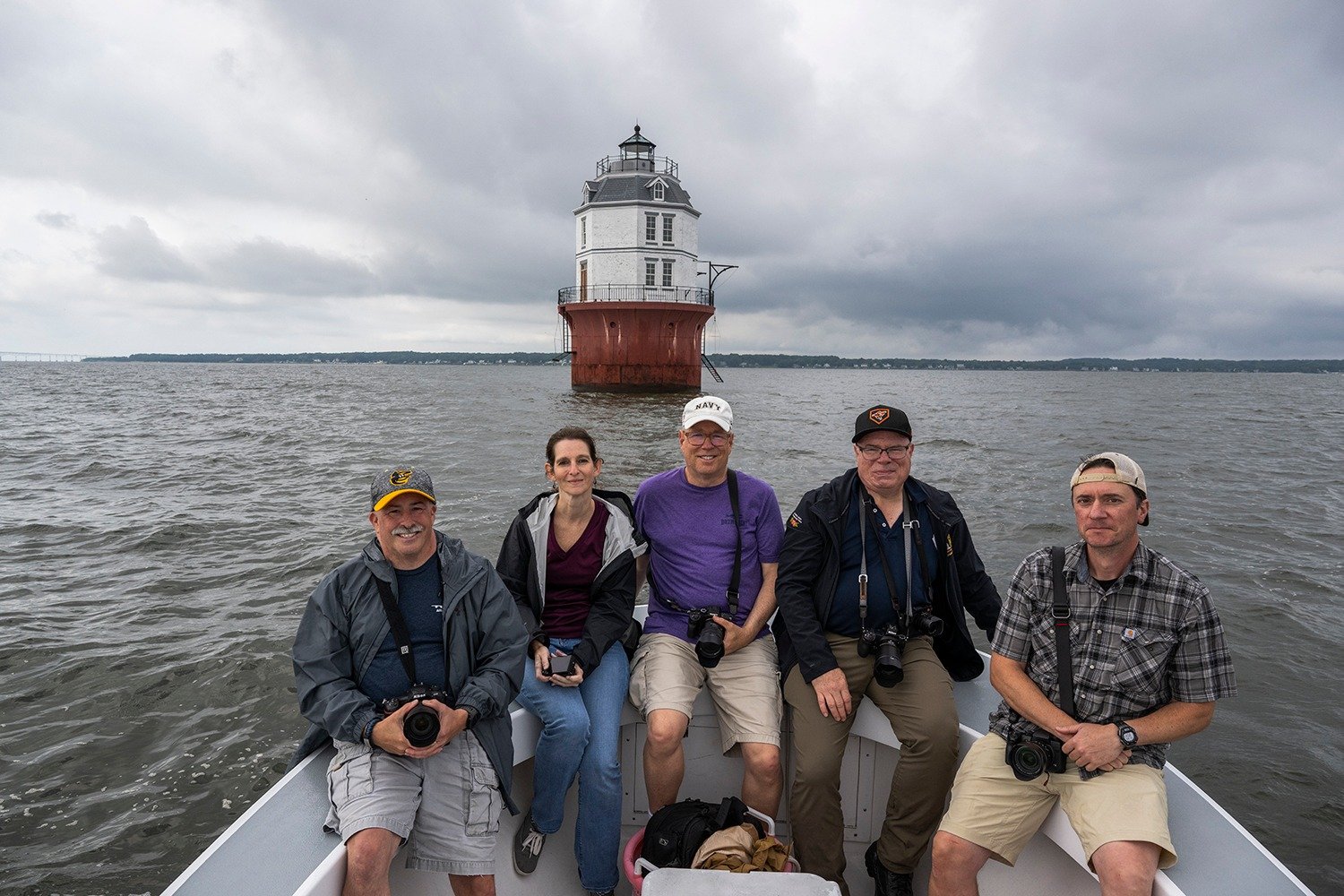
The full moon setting on the last day of the seventh workshop was one of the highlights of the entire month on Smith Island. I positioned the group to the west of Solomon’s Lump Lighthouse in Kedges Strait to line up the setting moon with the lighthouse.

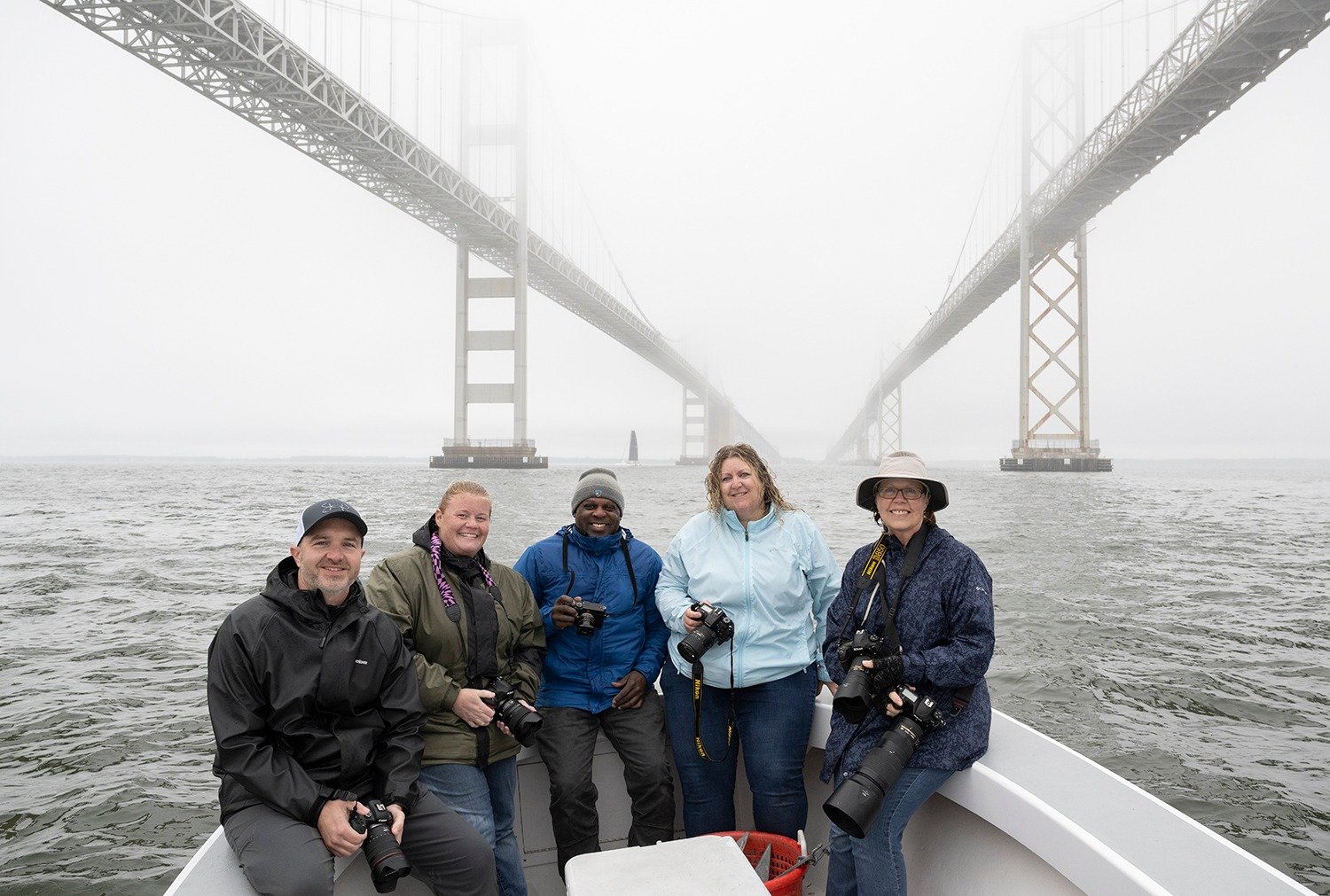
Storms rolling in off the Bay. Few things test and reward a photographers patience like a storm building over open water. Watching one roll in off the Chesapeake and racing to capture the changing light and drama in the sky is always a highlight of the season, and it's the kind of unpredictable moment that makes shooting on the water so worthwhile.


Want More Island Life?

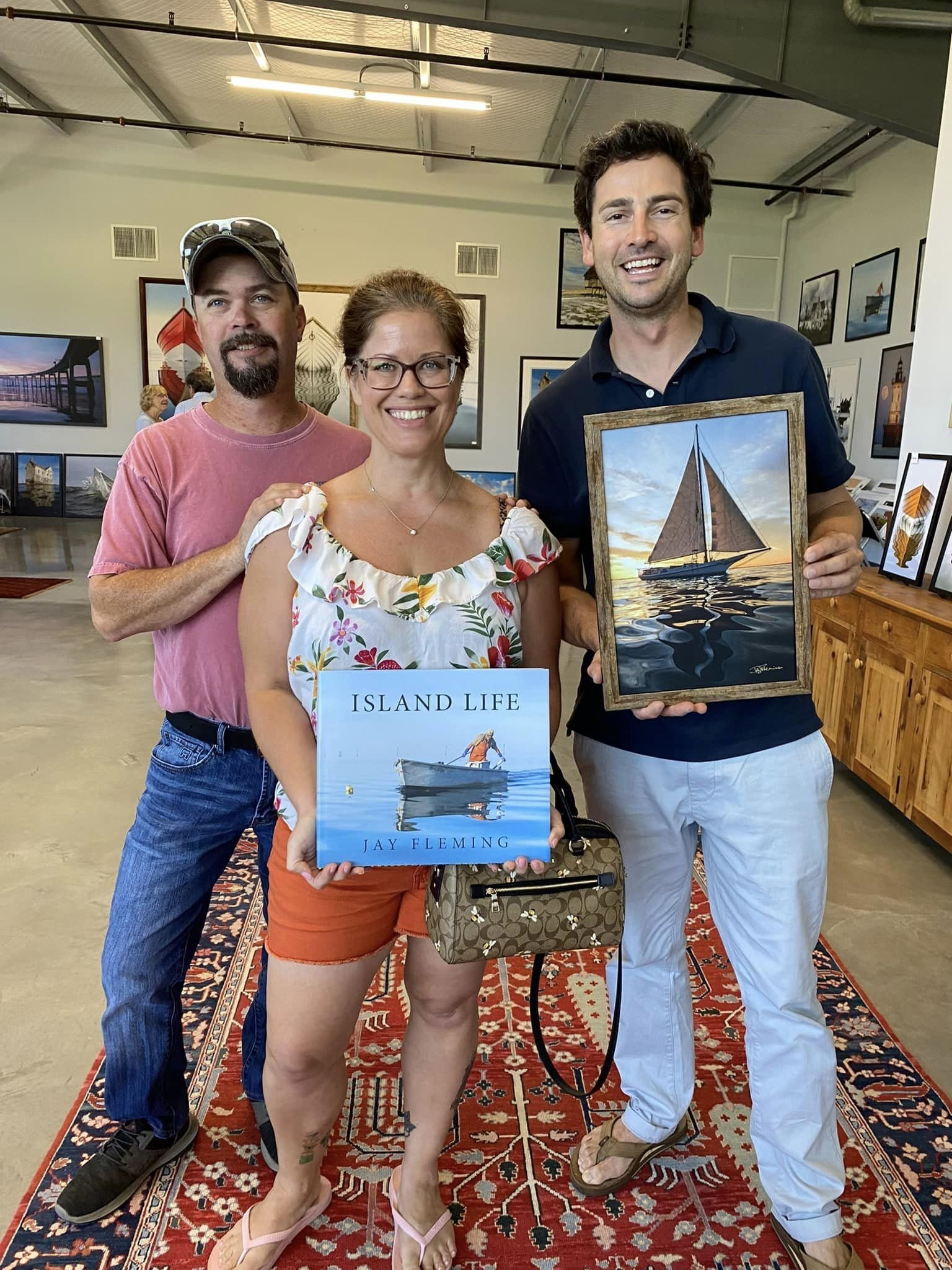
If this blog post has you wanting to do a deeper dive into Smith and Tangier Islands, I put more than a decade of my photography of the watermen, the wildlife, the culture into a book, ISLAND LIFE. It's the same story these workshops are built around but told in full with 280-pages of photography and narrative.


Looking ahead to June 2027


Eleven years in, these workshops still feel as meaningful to me as the first one. Watching photographers connect with this place and with the people who call it home is why I keep coming back.

We have limited space for the 2027 season. If you've been thinking about joining me on Smith Island, now's the time to book.

Photographing the Puffins of Machias Seal Island

The focus of my July 2026 trip to the Canadian Maritimes and Downeast Maine was a four-day workshop co-hosted with Maine photographers Ben Williamson and Jack Sullivan. We had 12 photographers join us from as far away as California to photograph the Atlantic puffin colony on Machias Seal Island. This little rocky island in the grey zone of the Bay of Fundy is home to roughly 16,000 nesting birds and is the only island in the lower 48 with public access to nesting puffins. Thanks to exclusive access arranged through Bold Coast Charters, our group spent two mornings shooting from blinds right on the island, about as close as you can responsibly get to an active seabird colony. We got lucky with conditions, in the sense that we got a bit of everything: bright sun on the first morning, thick fog rolling in on the second. Both days produced completely different images - and honestly, the foggy morning may have been the more atmospheric of the two.

The group at Machias Seal Island on Day 2 of the photography workshop.

Puffin portrait on day 2 of the photography workshop at Machias Seal Island.

Loaded up in the skiff in preparation for the landing on Machias Seal Island on day 2 of the workshop.

Photographer Renee Richards is all smiles after landing on Machias Seal Island. Landings onto the island are not guaranteed and our group lucked out with two perfect weather days!

Photographer Kathe Kane walking out to the blind on Machias Seal Island. Kathe has been participating in my workshops since 2018 and this was her third workshop in Maine with me.

We lucked out and got to see the Canadian Coast Guard helicopter land with supplies for the lighthouse keepers on Machias Seal Island.


A homebase in Lubec

Walking to West Quoddy Lighthouse in the fog on day 2 of the photography workshop.

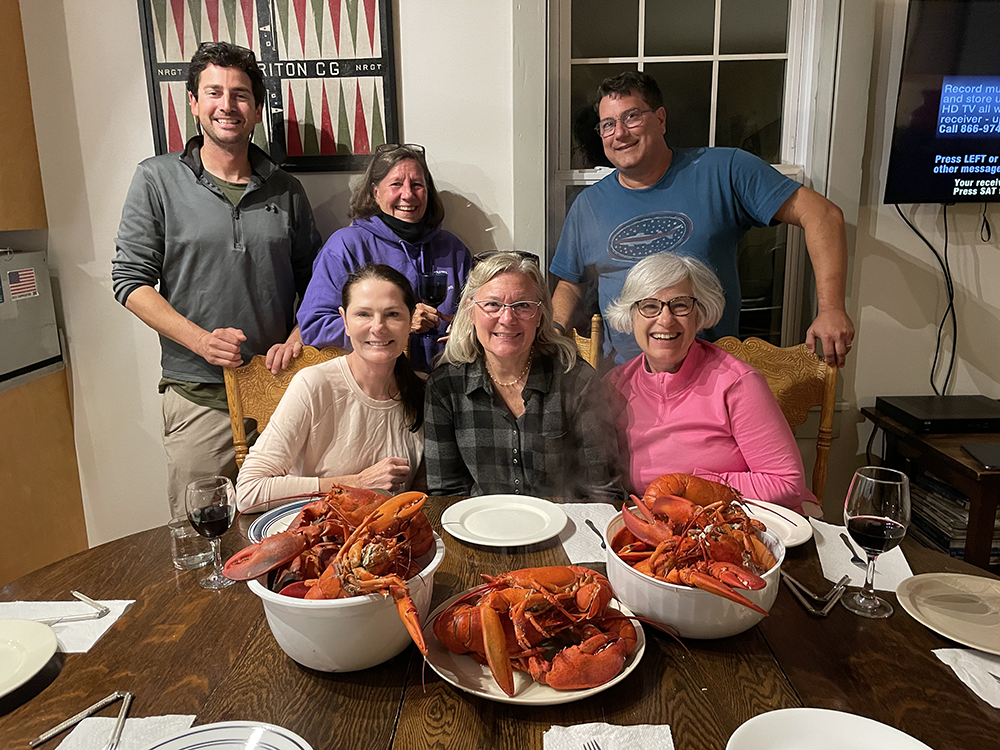
Many of my photography students from Maryland, Delaware, and Virginia joined for this leg of the trip, and we based ourselves in Lubec for the workshop. Between puffin outings, the group photographed the landscapes and the seafood industry of the Downeast region, and we ate exceptionally well - I sourced fresh seafood directly from local fishermen for the group throughout our stay. There's something about eating what you've just spent the day photographing that rounds out the whole experience. This marked my fourth consecutive year of hosting workshops in the Lubec area.

The group at Little River Lighthouse near the mouth of the Cutler Harbor.

Lobstermen out of Cutler, Maine hauling gear in morning light in front of the Little River Lighthouse.

The Lubec Channel Lighthouse locally known as the ‘spark plug’ on day 2 of the photography workshop.


A New Experience, A Great Workshop

Machias Seal Island was a new experience for me and it turned into a genuinely great experience for my workshop alumni who made the trip from the mid-Atlantic region. Watching a group see Machias Seal Island and the working waterfronts of Maine for the first time was a highlight in its own right. None of this would have been possible without a few key partners: huge thanks to Ben Williamson and Jack Sullivan for co-hosting, to Captain Bob, Abby, Linus, and Renee of Bold Coast Charters for making the puffin access possible, and to the Eastland Motel for hosting us in Lubec.

Galápagos Group

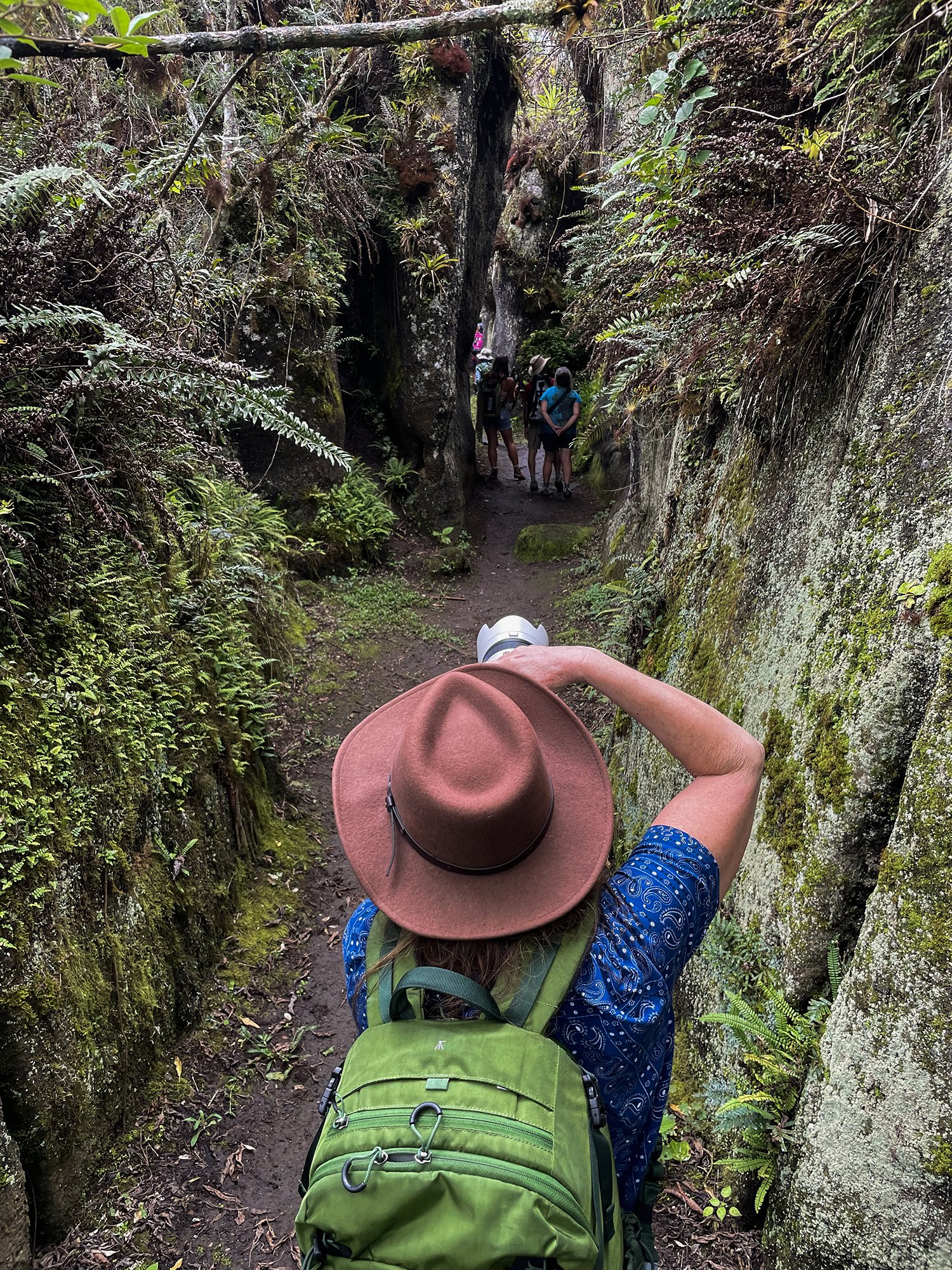
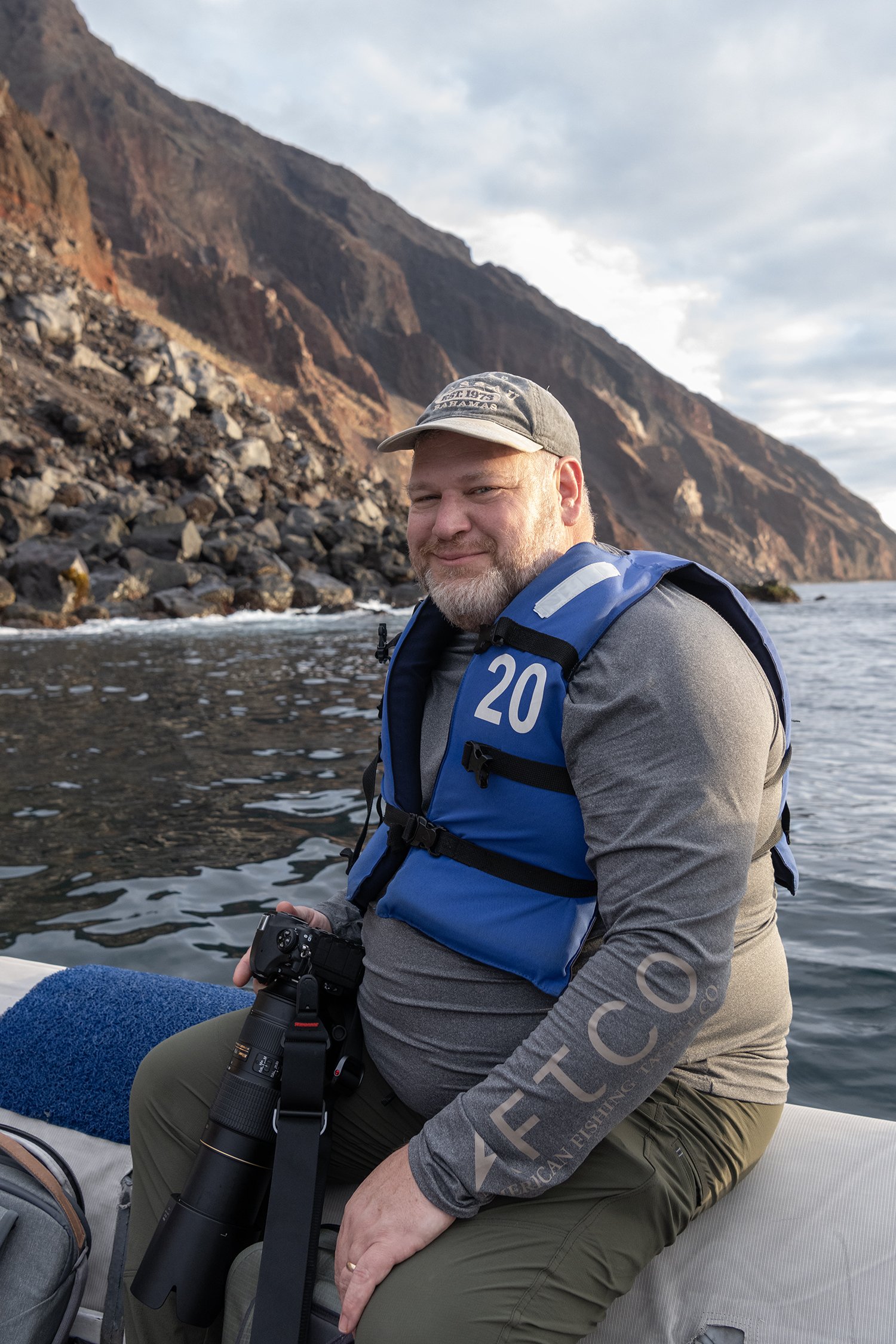
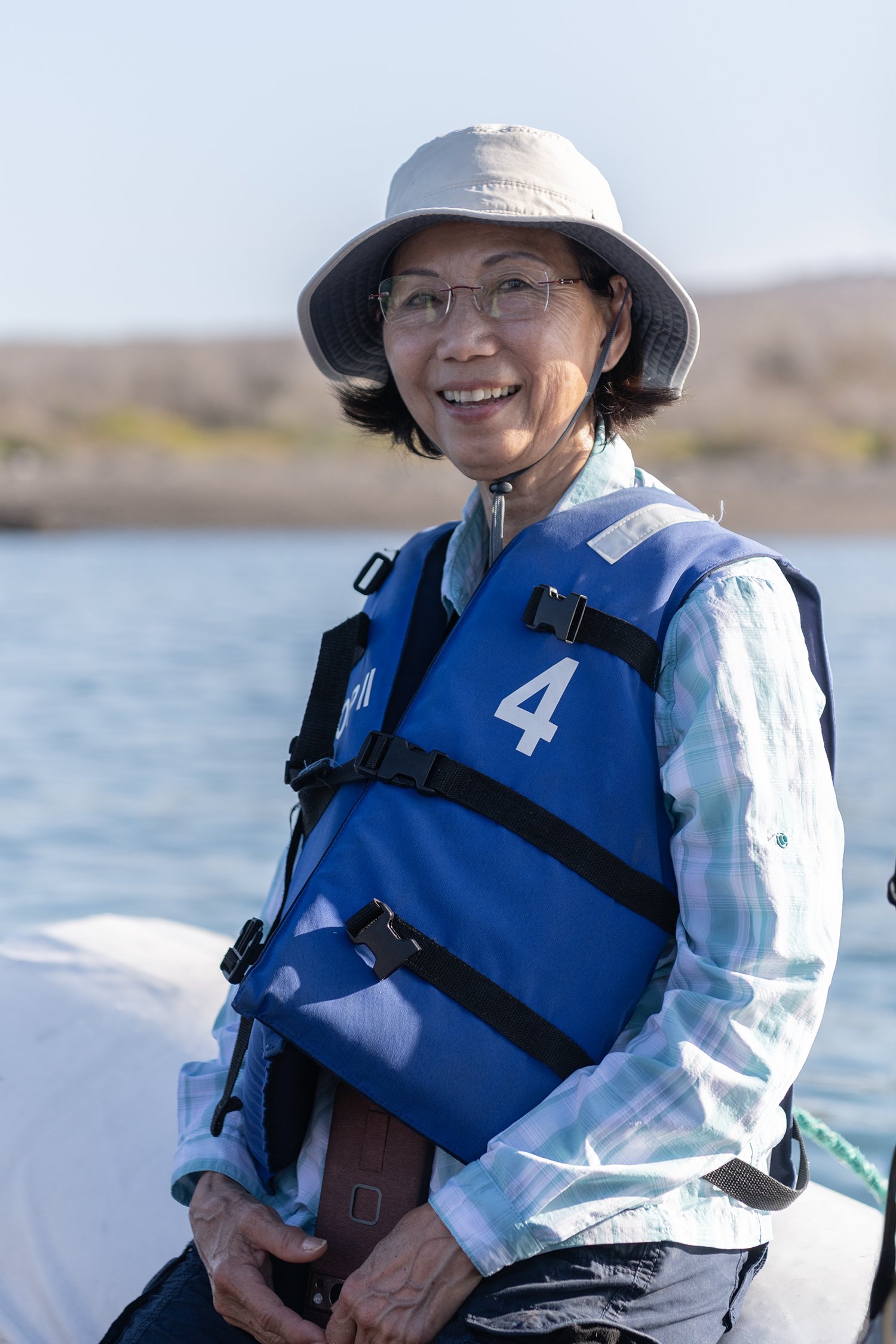
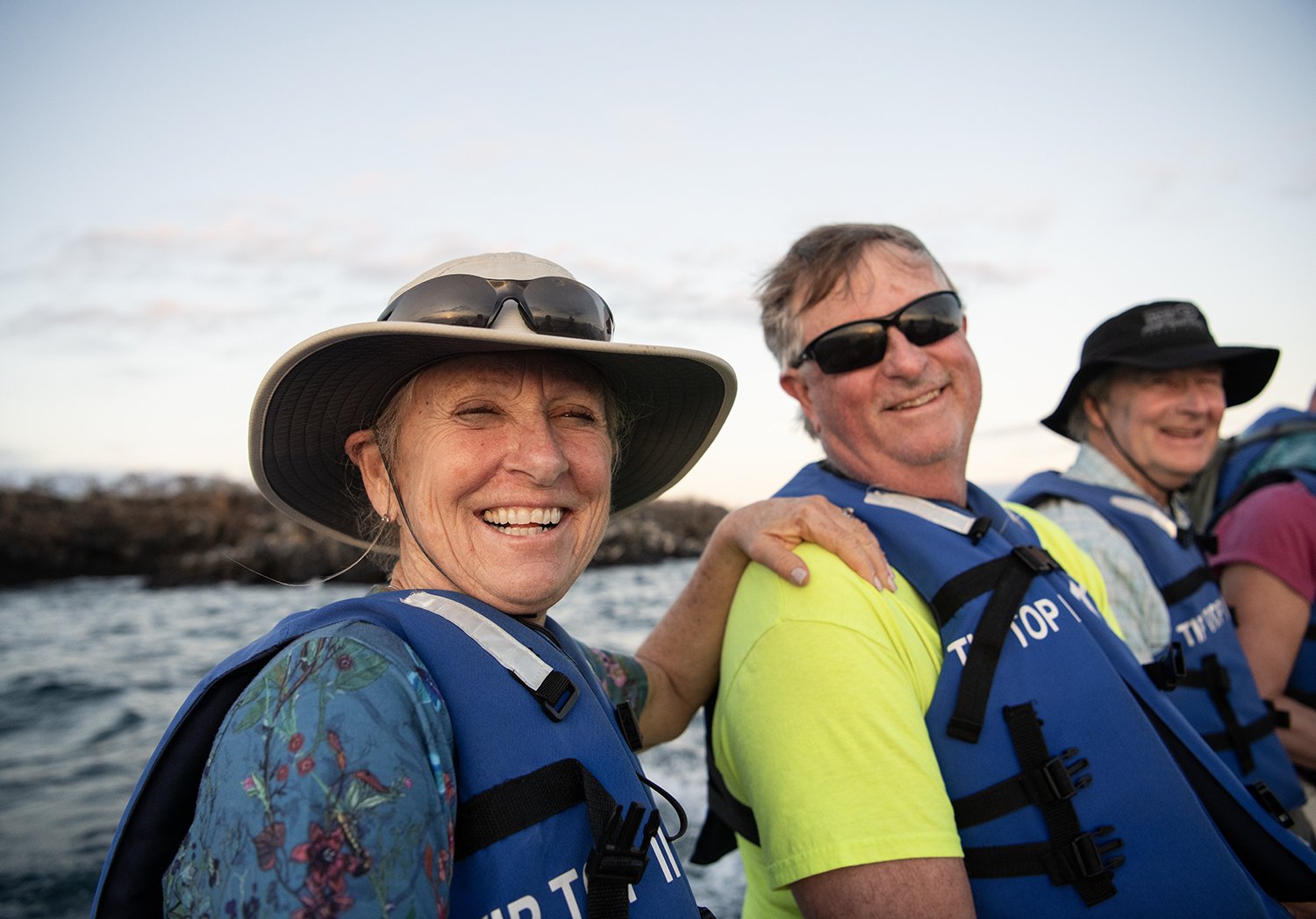
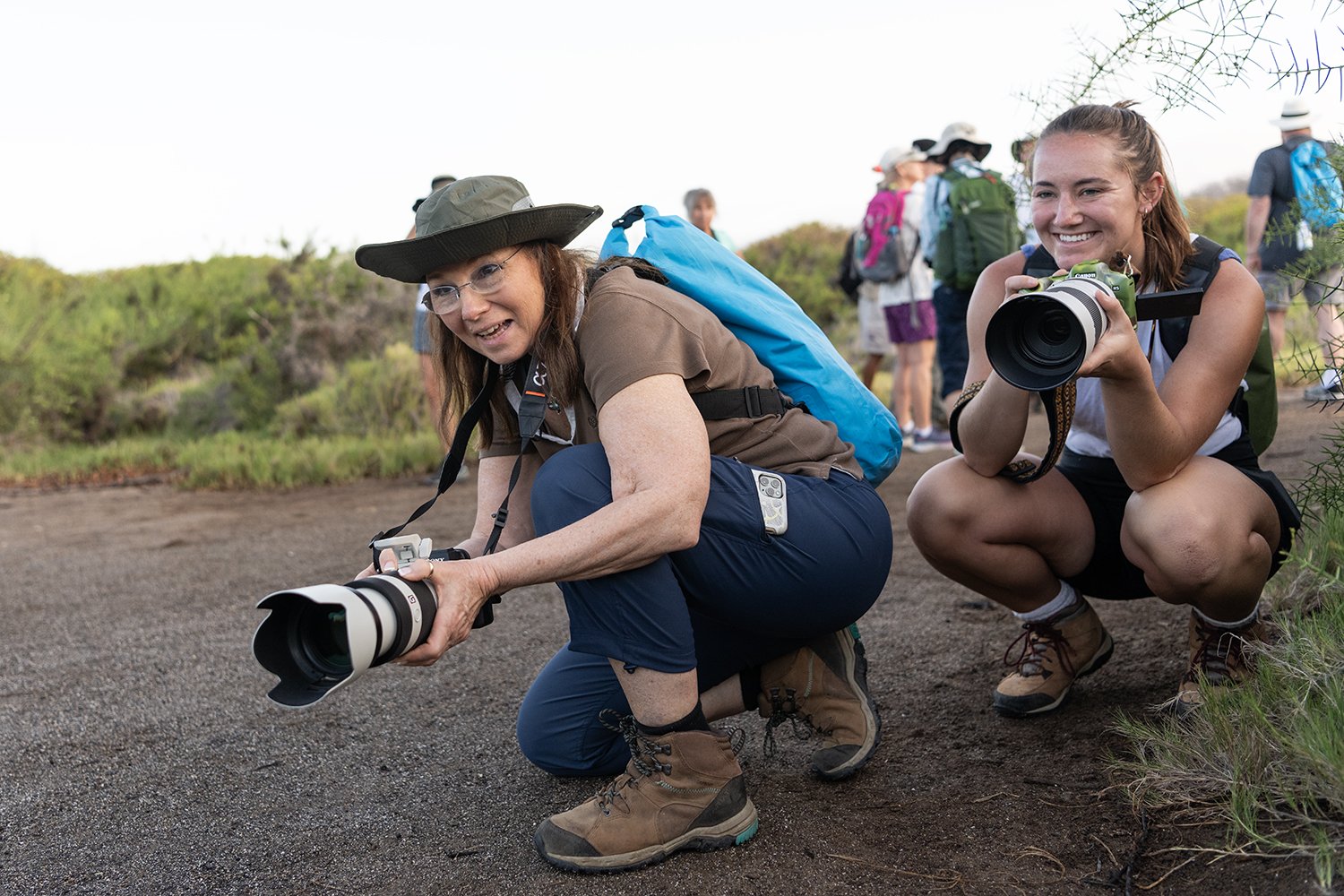
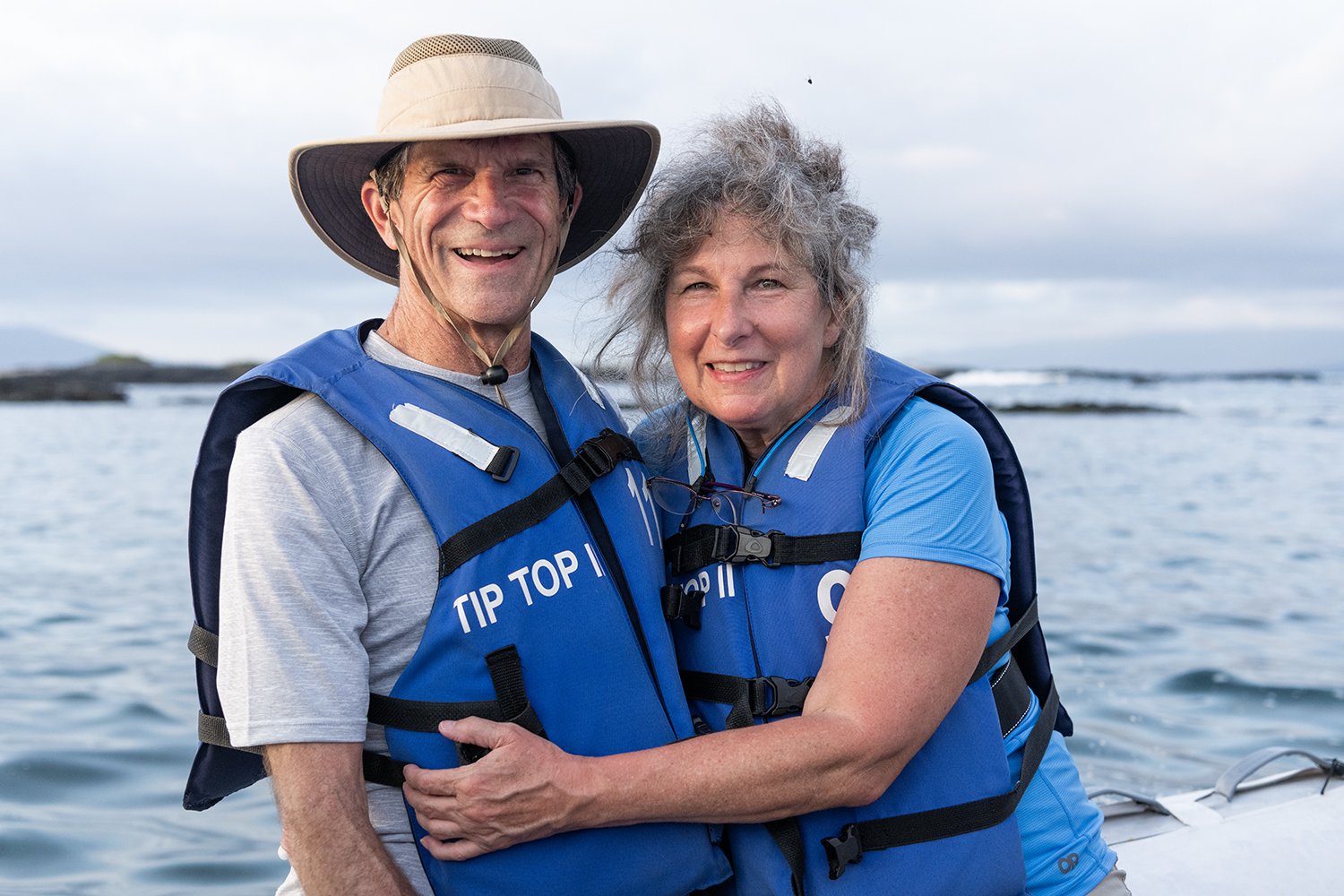
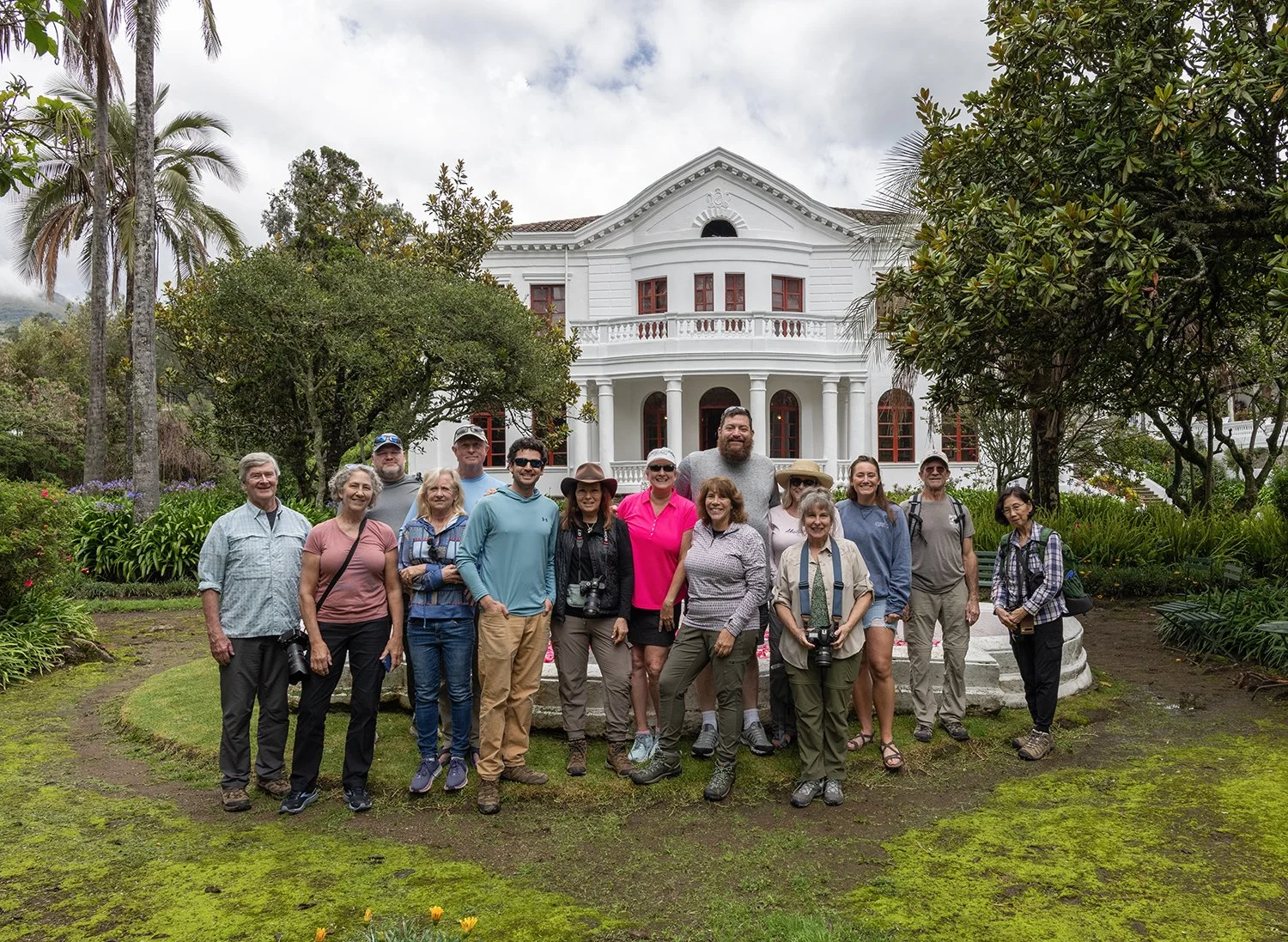
I just wrapped up an eight-day photography workshop in the Galápagos archipelago off the coast of Ecuador. With fourteen photographers onboard we travelled by boat to visit seven different islands - spending time snorkeling, hiking, exploring, and of course shooting plenty of pictures.

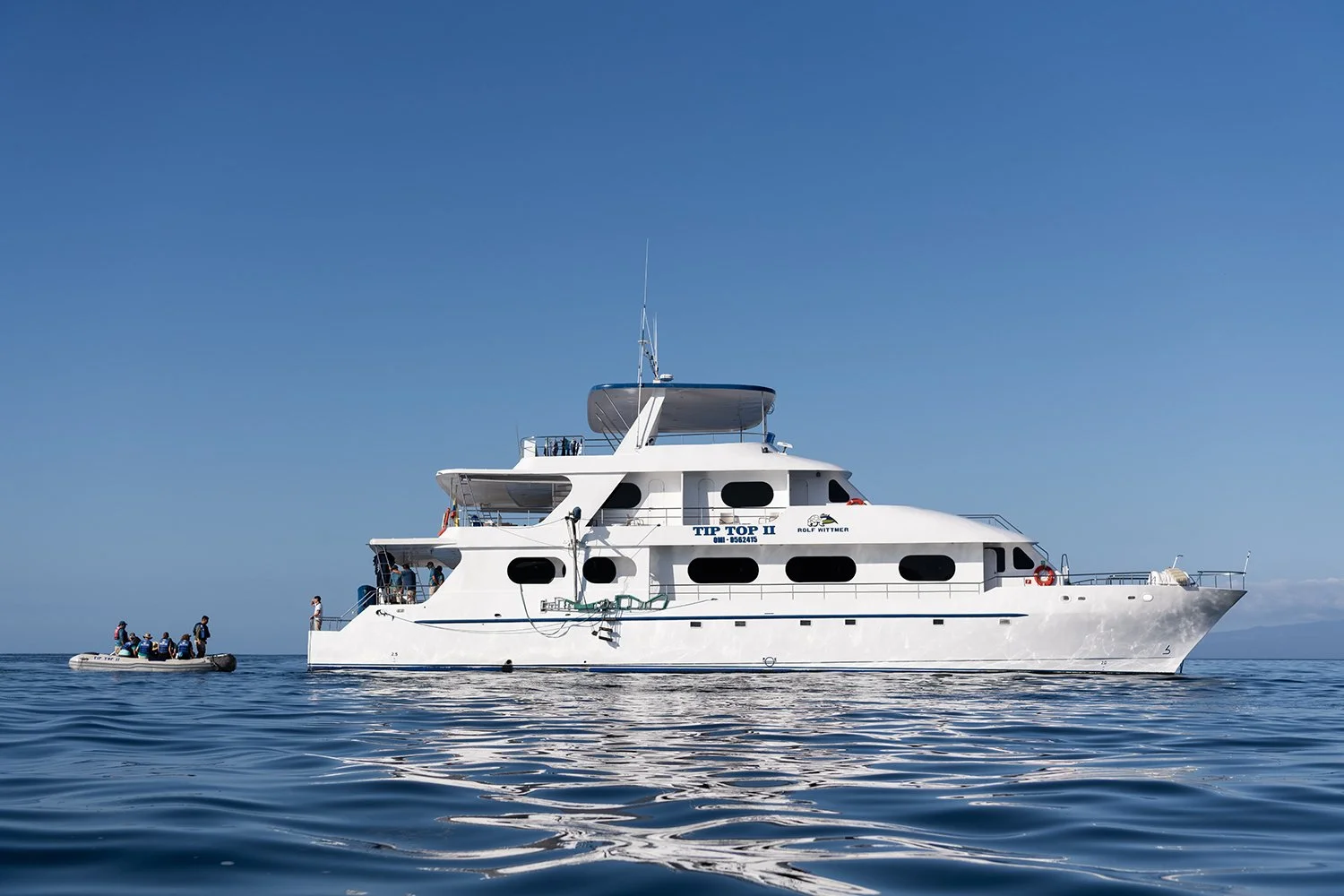
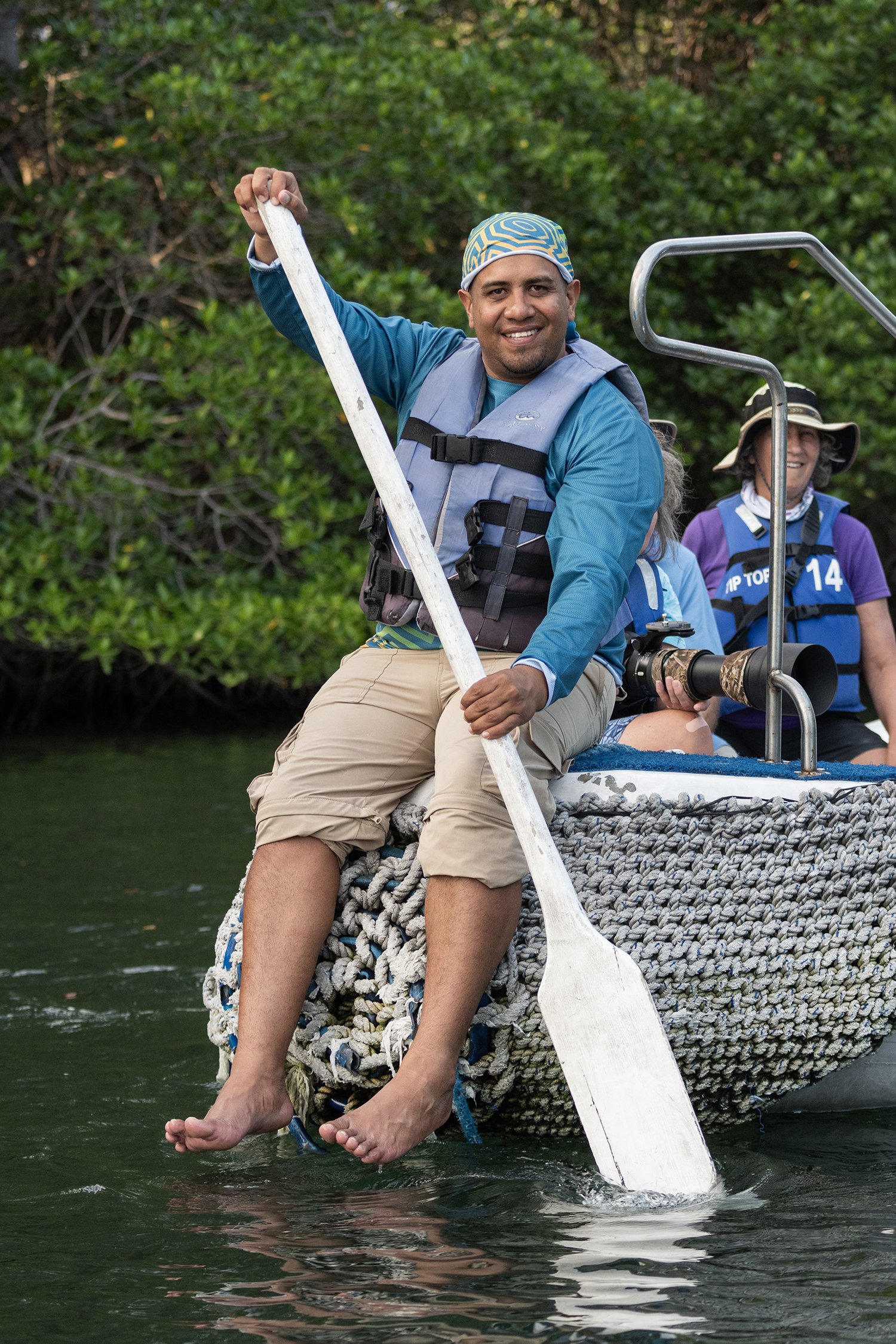
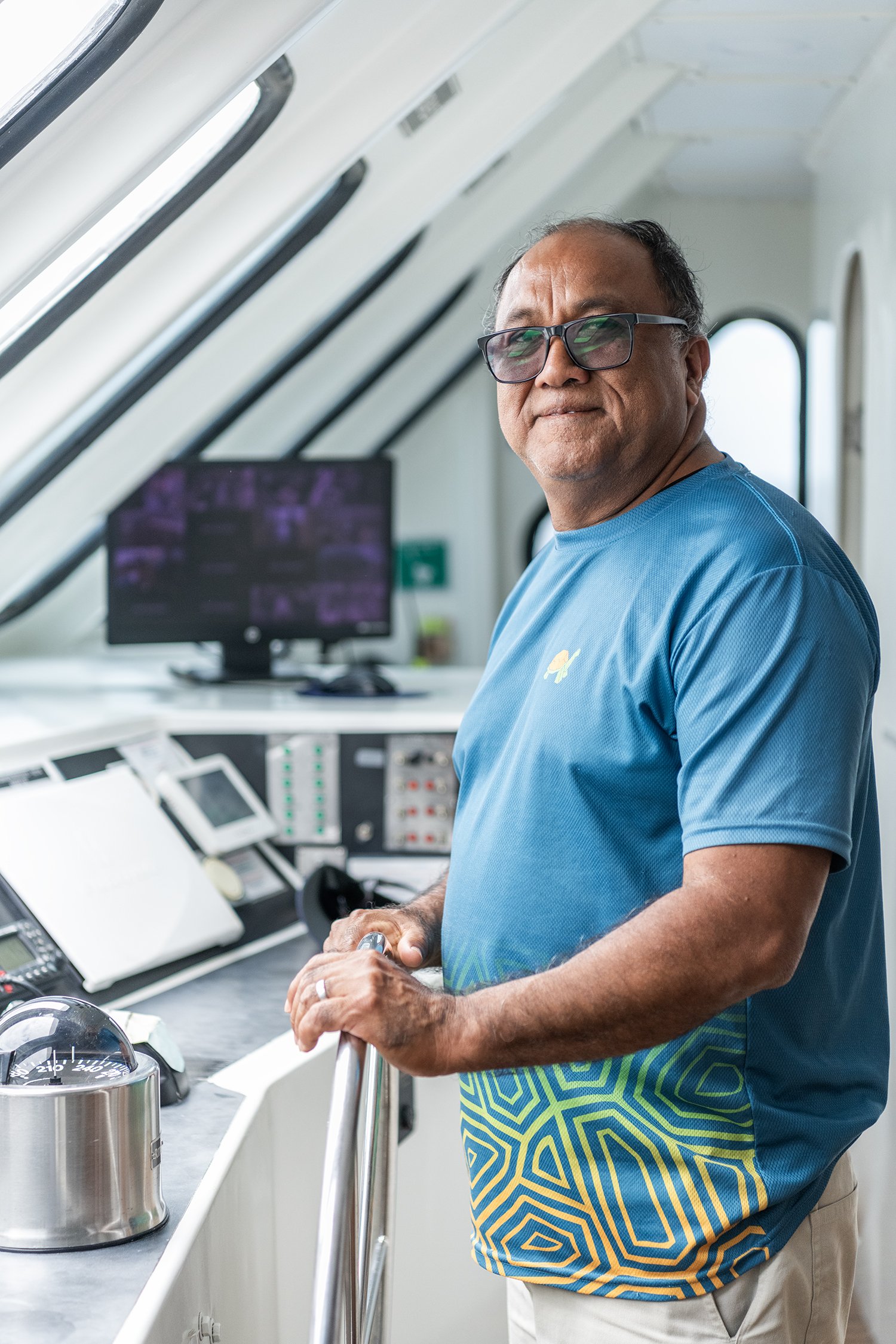
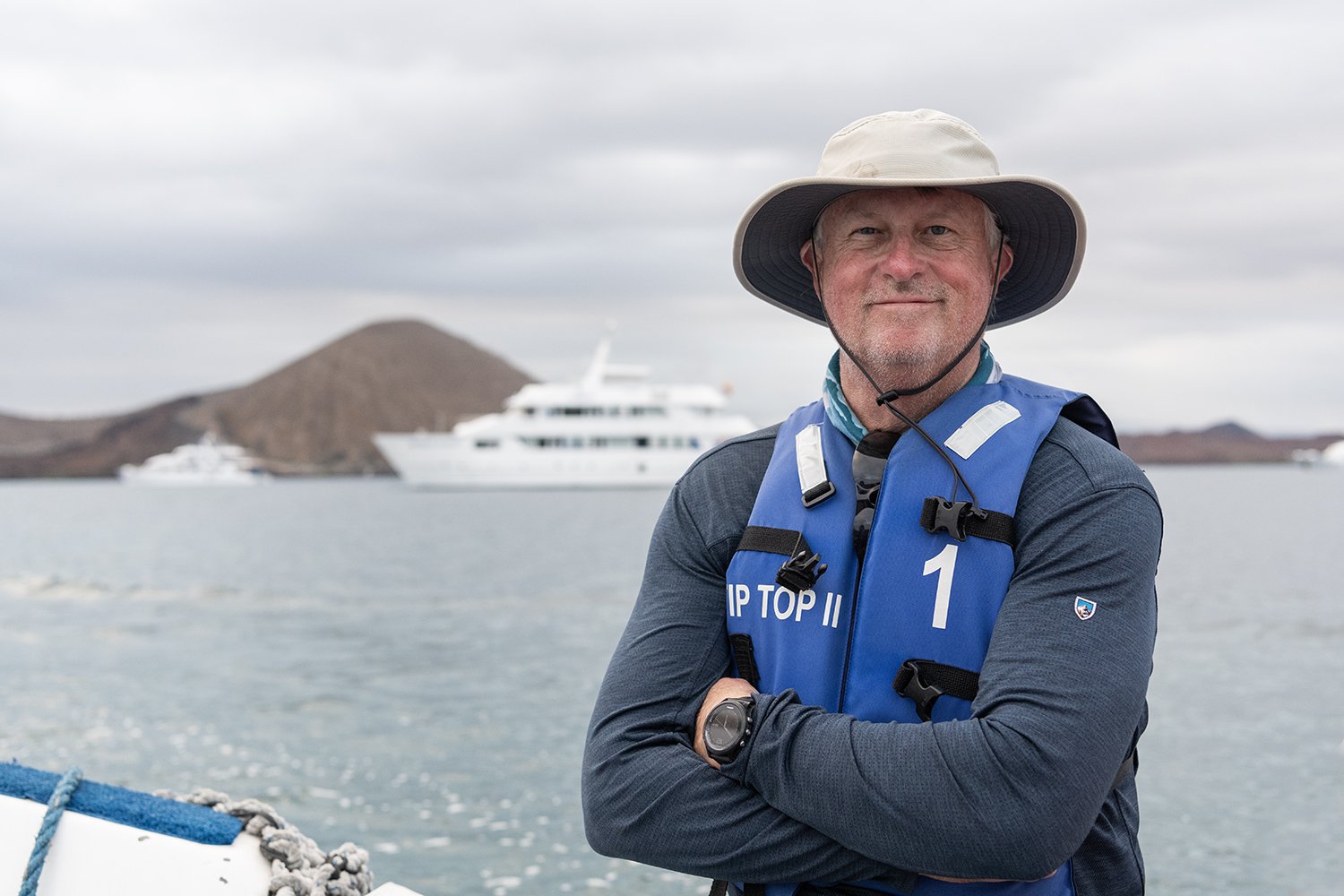
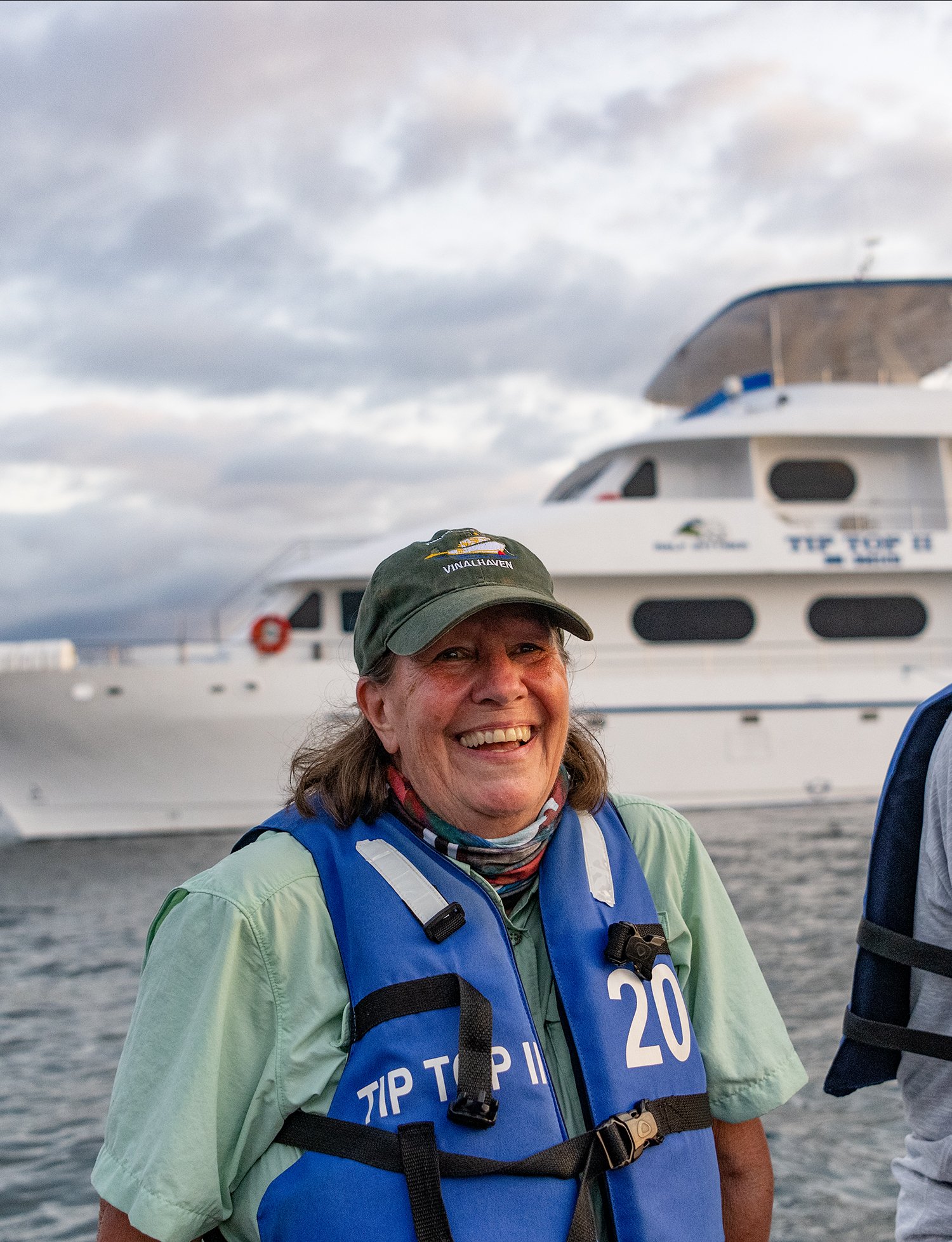
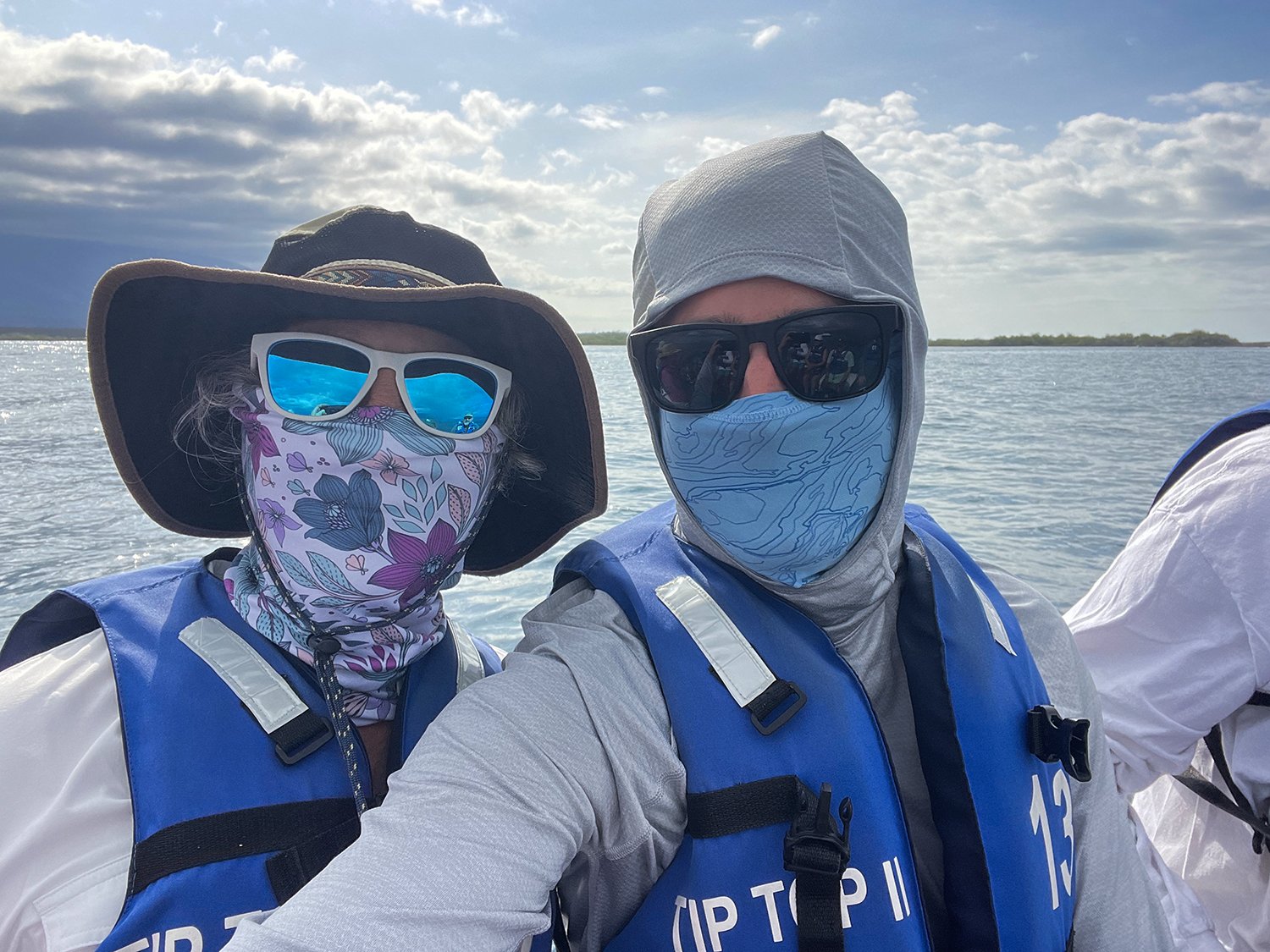
Our home base was on board Tip Top II, a 105-foot catamaran with an incredible crew of 8 who really went above and beyond to make each photographer feel at home. The wildlife was amazing, both above and below the surface, including many species found nowhere else on Earth.

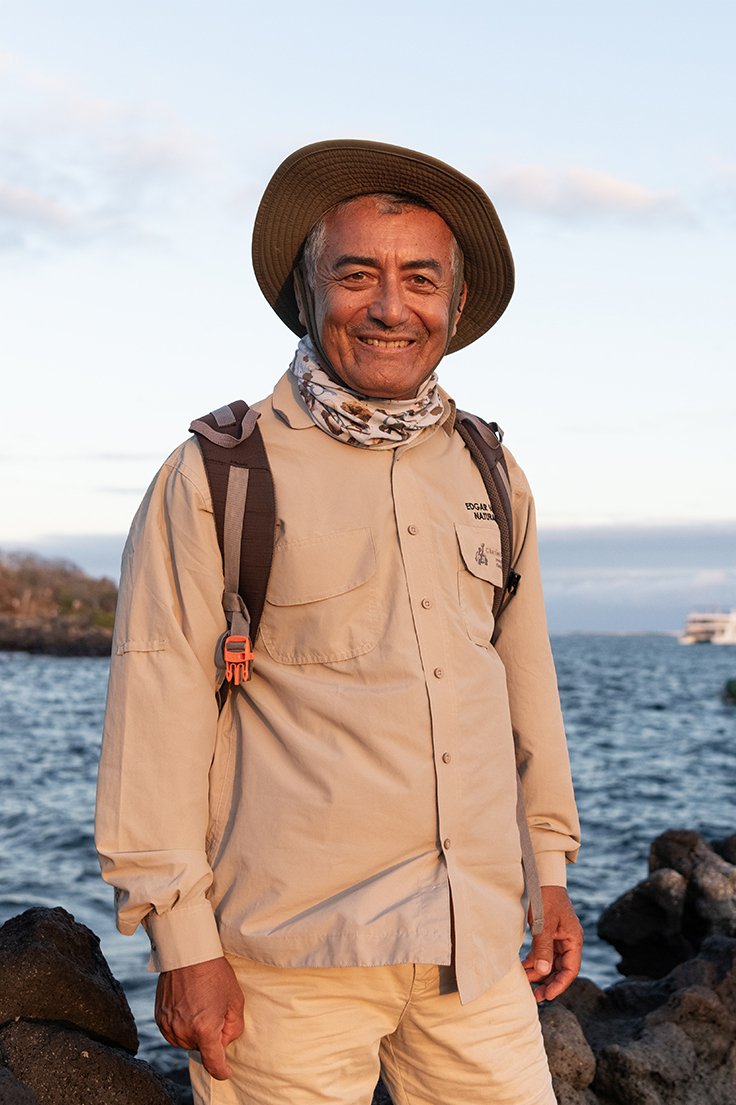
Harry Vargas was our guide throughout the trip. A third-generation Galápagos resident born and raised on the islands, his insight and local knowledge added depth and context to every place we visited. I’m grateful to Emily Carter for co-leading this workshop with me, and to Holbrook Travel for handling the logistics that allowed us to stay focused on the photography.

This marked my third consecutive year leading a Galápagos workshop, and I’m thankful for the opportunity to continue bringing photographers to these 'enchanted islands.'